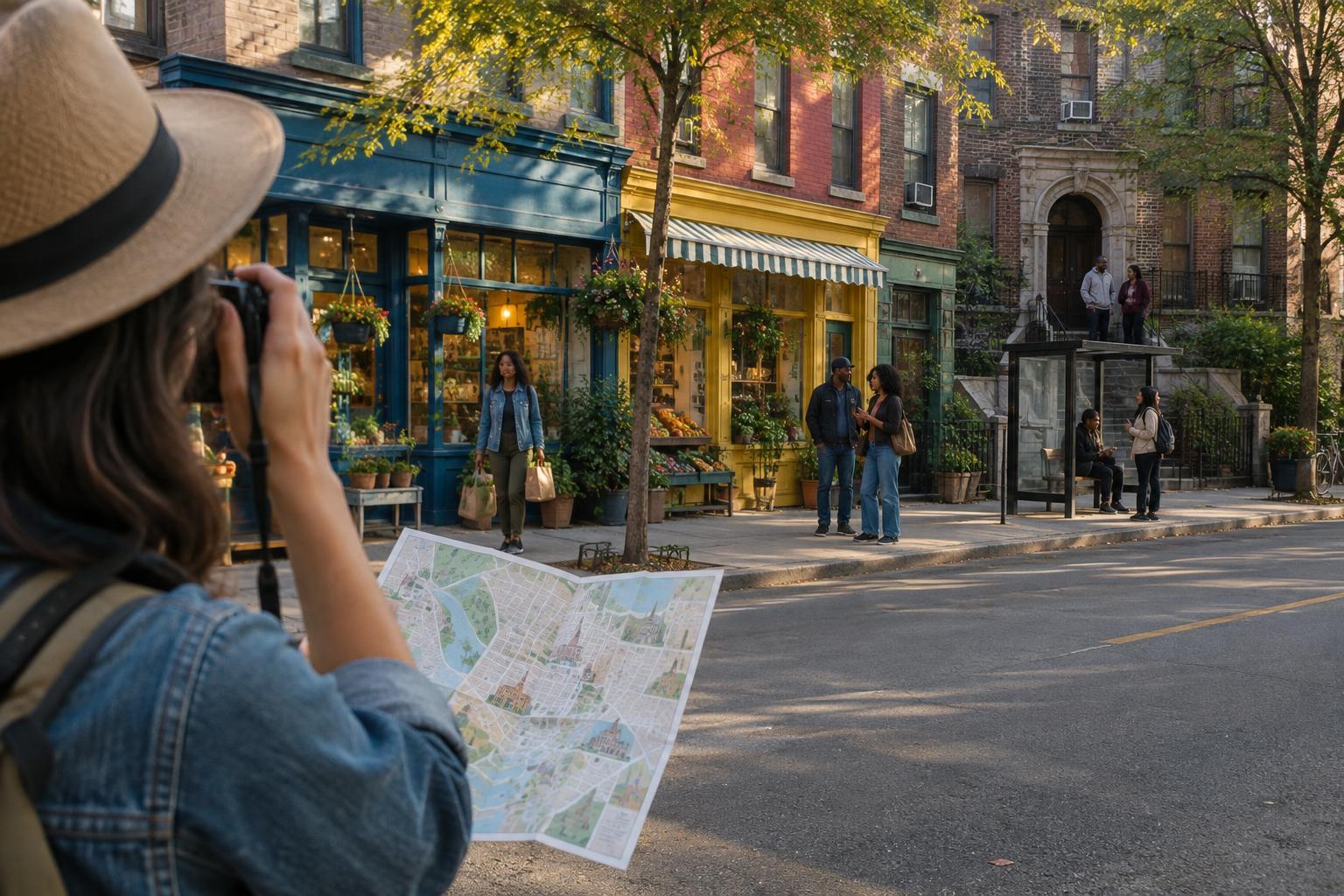
Cultural CriticismA novel, film, exhibition or poem may have urgent things to say, but its meaning is inseparable from the choices that shape it. This guide offers a practical way to review cultural work with attention to form, context, ambiguity and the experience of its audience.
Read article · 4 min↗
Cultural CriticismAuthenticity is a powerful word in cultural criticism, but it can blur several different questions. A critic can examine a work’s language, context and stated sources. They cannot certify a creator’s inner life or decide whether one person speaks for an entire community.
Read article · 4 min↗

Cultural CriticismStories cross borders, languages and communities. The question is not whether writers may draw on cultures beyond their own, but how they handle power, context and the people whose lives inform the work. A practical guide to telling exchange from appropriation.
Read article · 4 min↗

Cultural CriticismA character can reveal much about race and belonging without standing in for everyone who shares an identity. This guide offers a way to read closely, notice social pressures, and resist turning one fictional life into a general rule.
Read article · 4 min↗
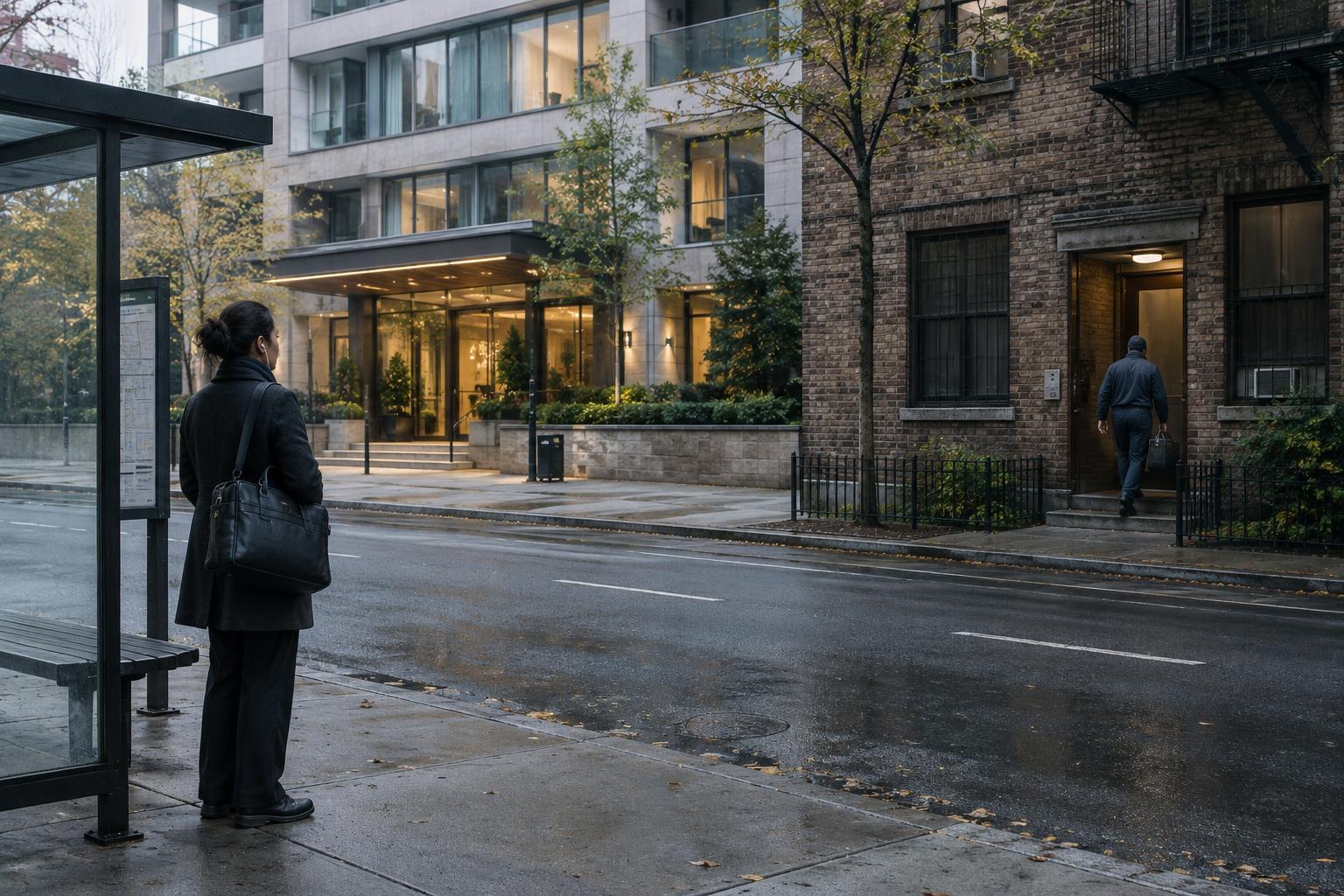
Cultural CriticismA city on screen is never just a backdrop. Choices about whose home we enter, whose commute we follow and which spaces appear welcoming can make class visible—or hide it in plain sight. This guide offers a way to read those choices closely.
Read article · 4 min↗
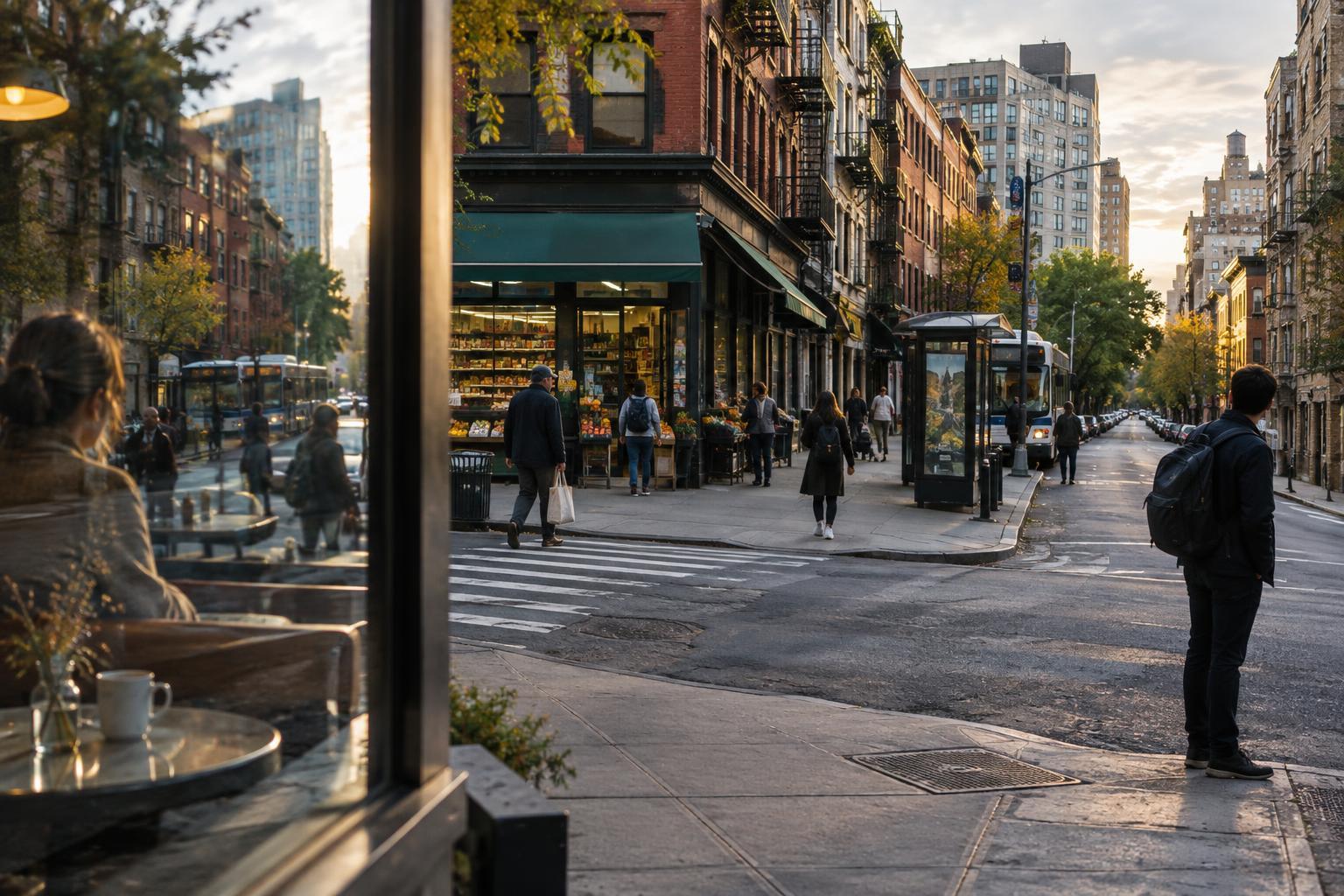
Cultural CriticismA city can set a story in motion, but it can also become shorthand for danger, glamour or reinvention. Here is how to tell the difference between a vivid setting and a familiar urban cliché.
Read article · 4 min↗
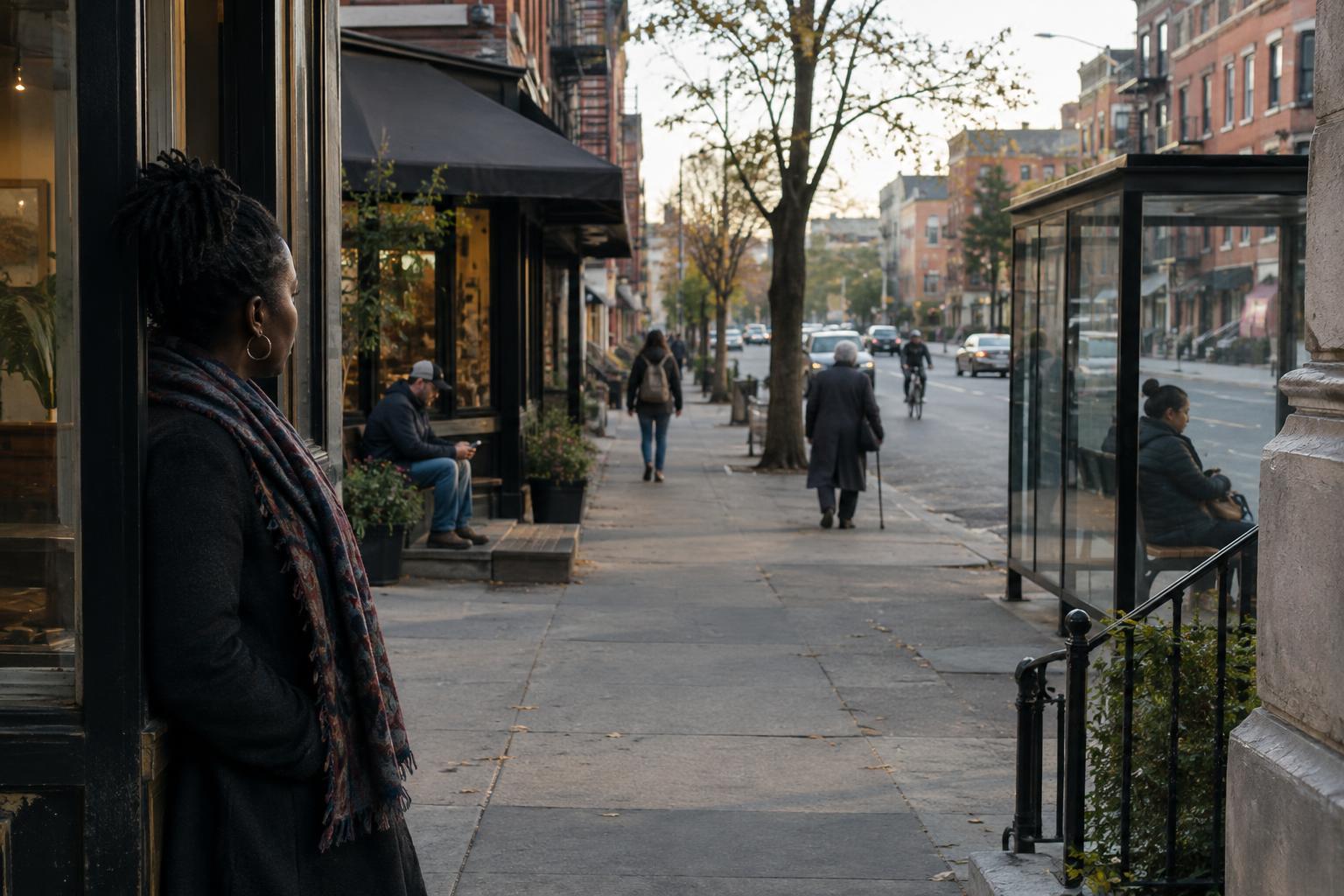
Cultural CriticismEvery city story has a point of view, even when it sounds like an account of the whole place. Looking at who gets to speak, who remains in the background and whose memories shape the setting can make urban writing more attentive without asking one story to contain everyone.
Read article · 4 min↗
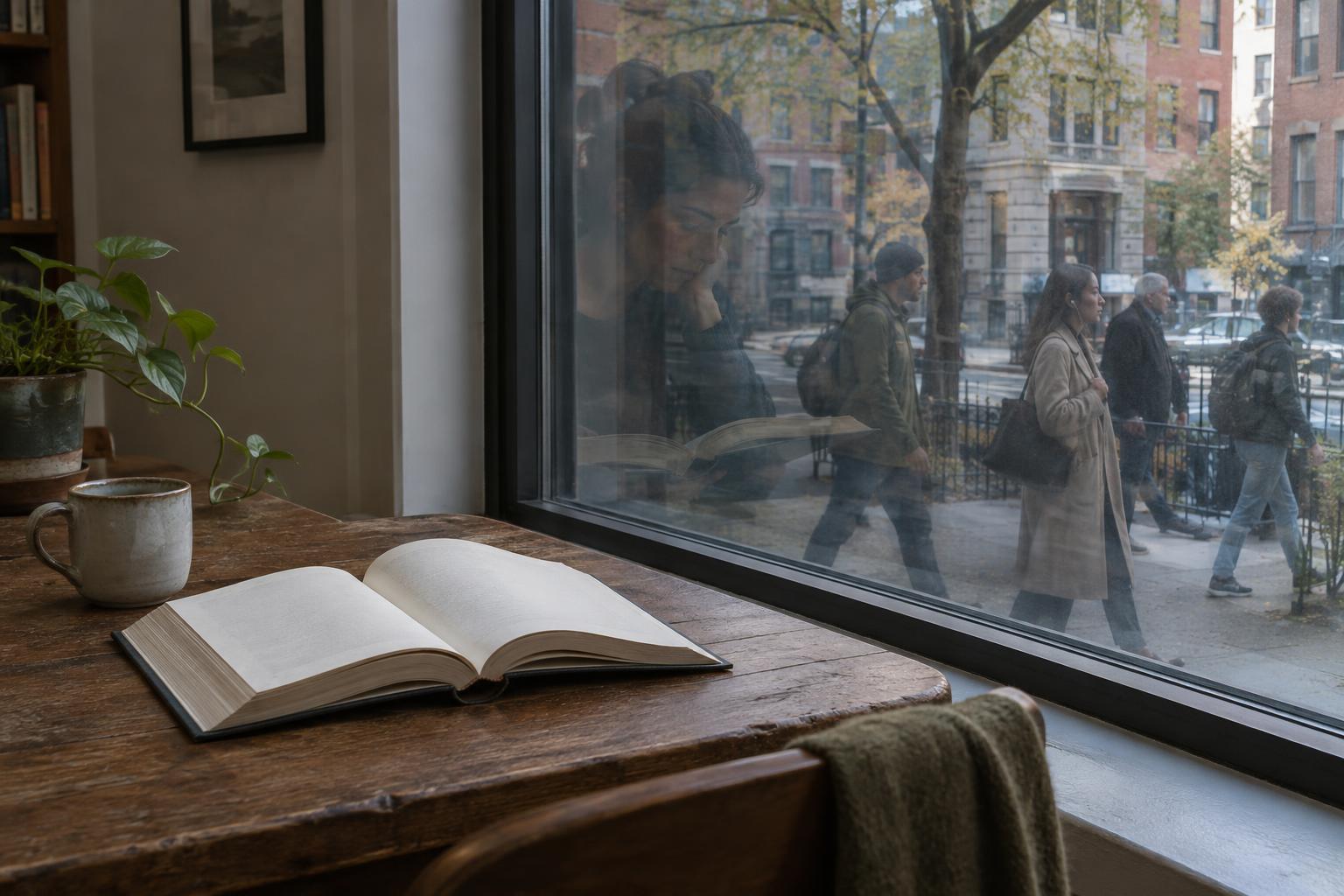
Cultural CriticismA narrator can express prejudice, justify harm or tell a story in self-serving ways without speaking for its author. But that distinction is a starting point, not a verdict. A careful reading asks how the work frames the narrator’s claims, whose perspectives remain available and what the story invites us to notice.
Read article · 4 min↗
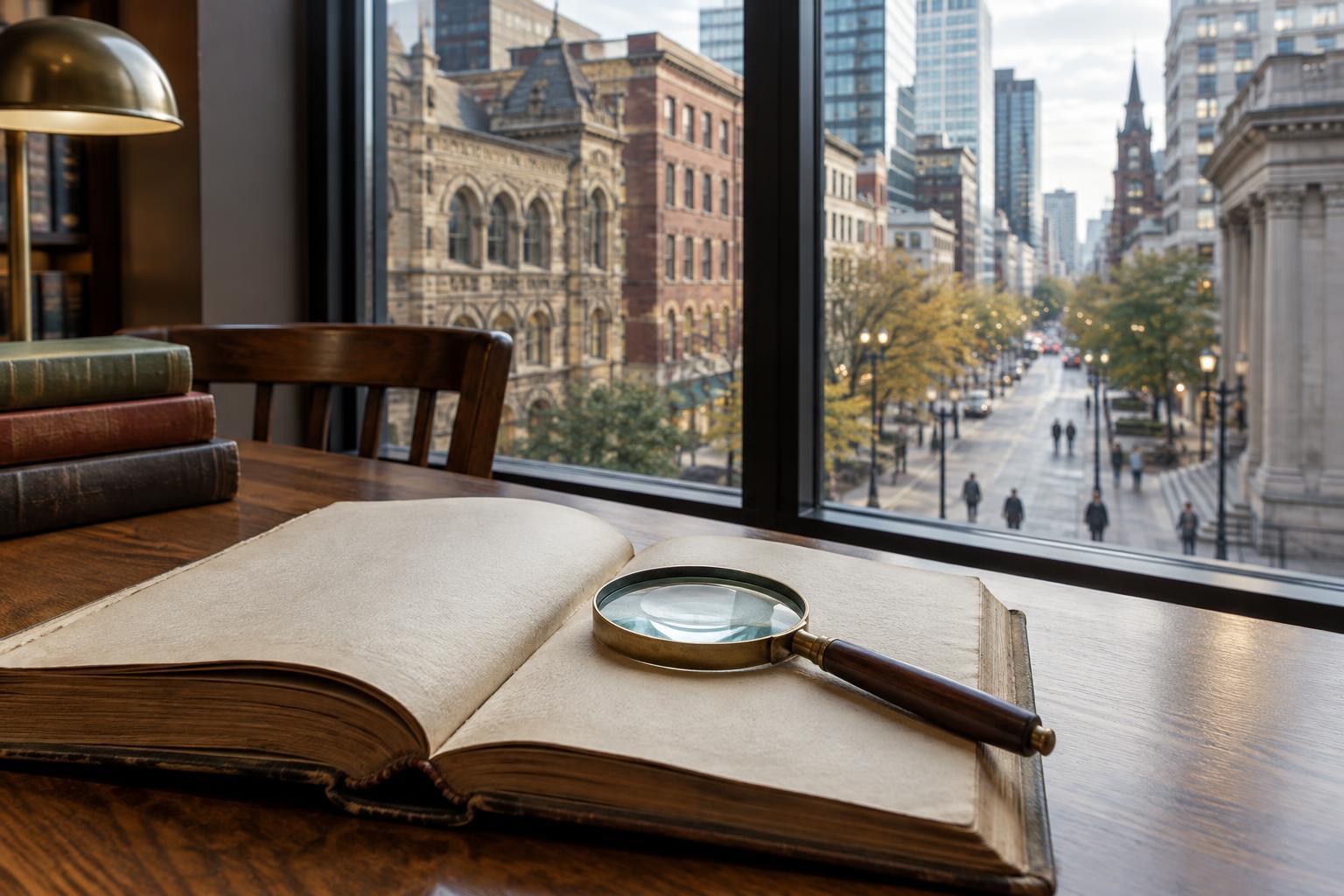
Cultural CriticismA close reading asks how a work makes meaning through its words and form. Cultural context asks what histories and shared assumptions those choices meet. Reading with both methods can deepen an interpretation without treating either the text or its setting as a complete explanation.
Read article · 3 min↗
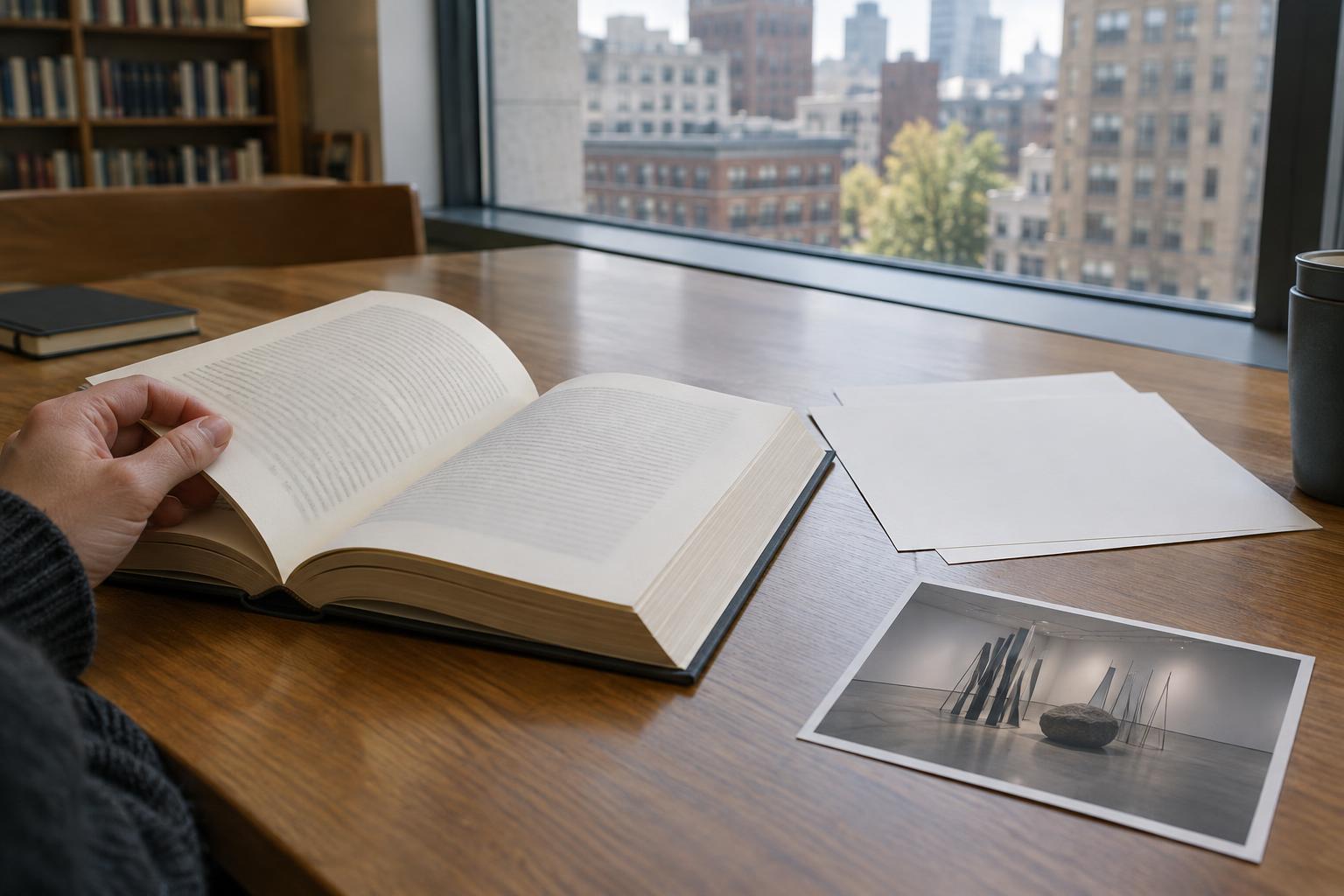
Cultural CriticismAn interpretive claim does more than announce a theme or deliver a verdict. It explains how a work creates meaning through particular choices. This guide offers a practical way to move from observation to a focused, defensible argument about a novel, film, or exhibition.
Read article · 4 min↗
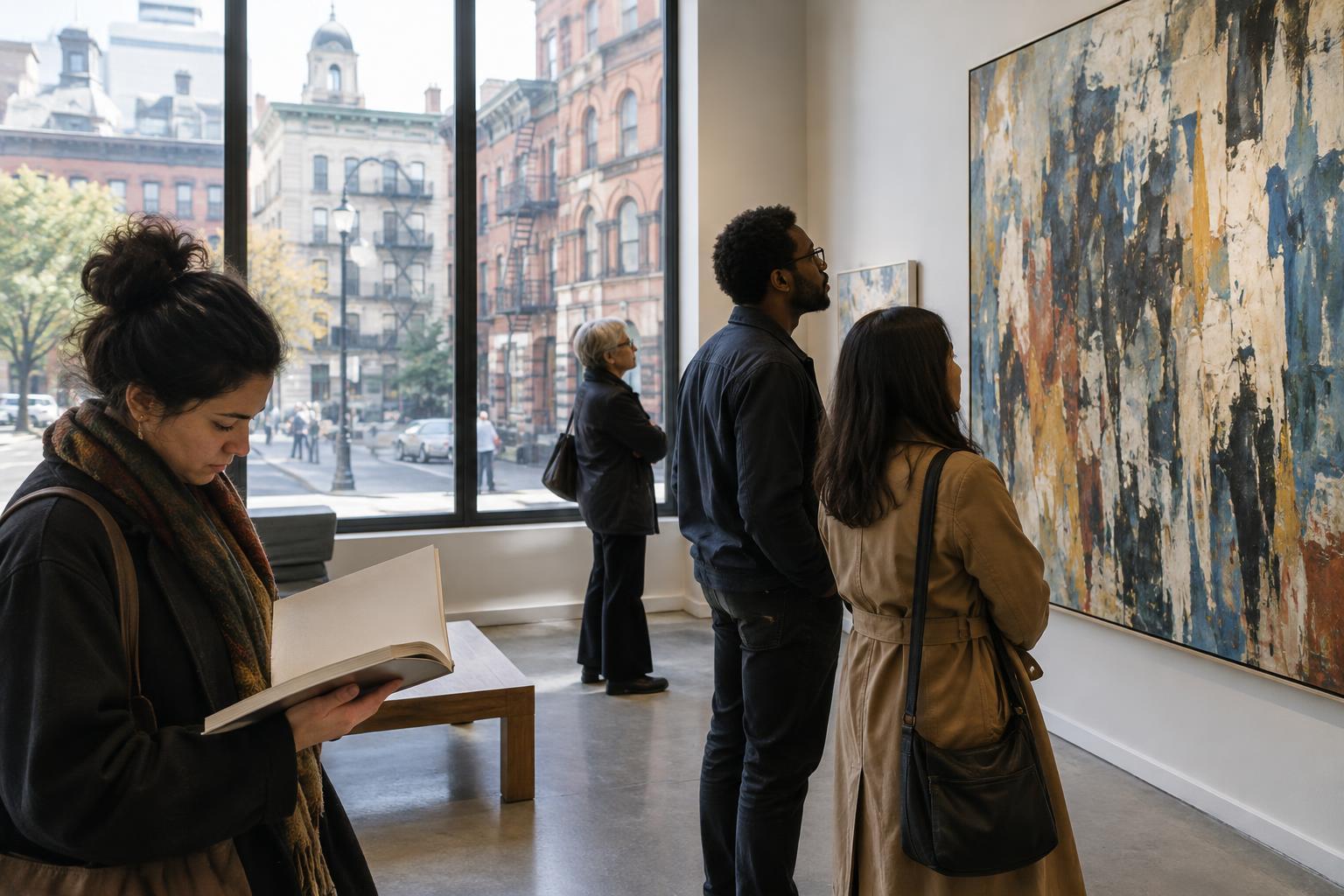
Cultural CriticismCultural criticism asks how a work of art makes meaning within the world that produced and receives it. This guide offers a practical way to read stories, images and performances with attention to form, history, power and audience.
Read article · 4 min↗
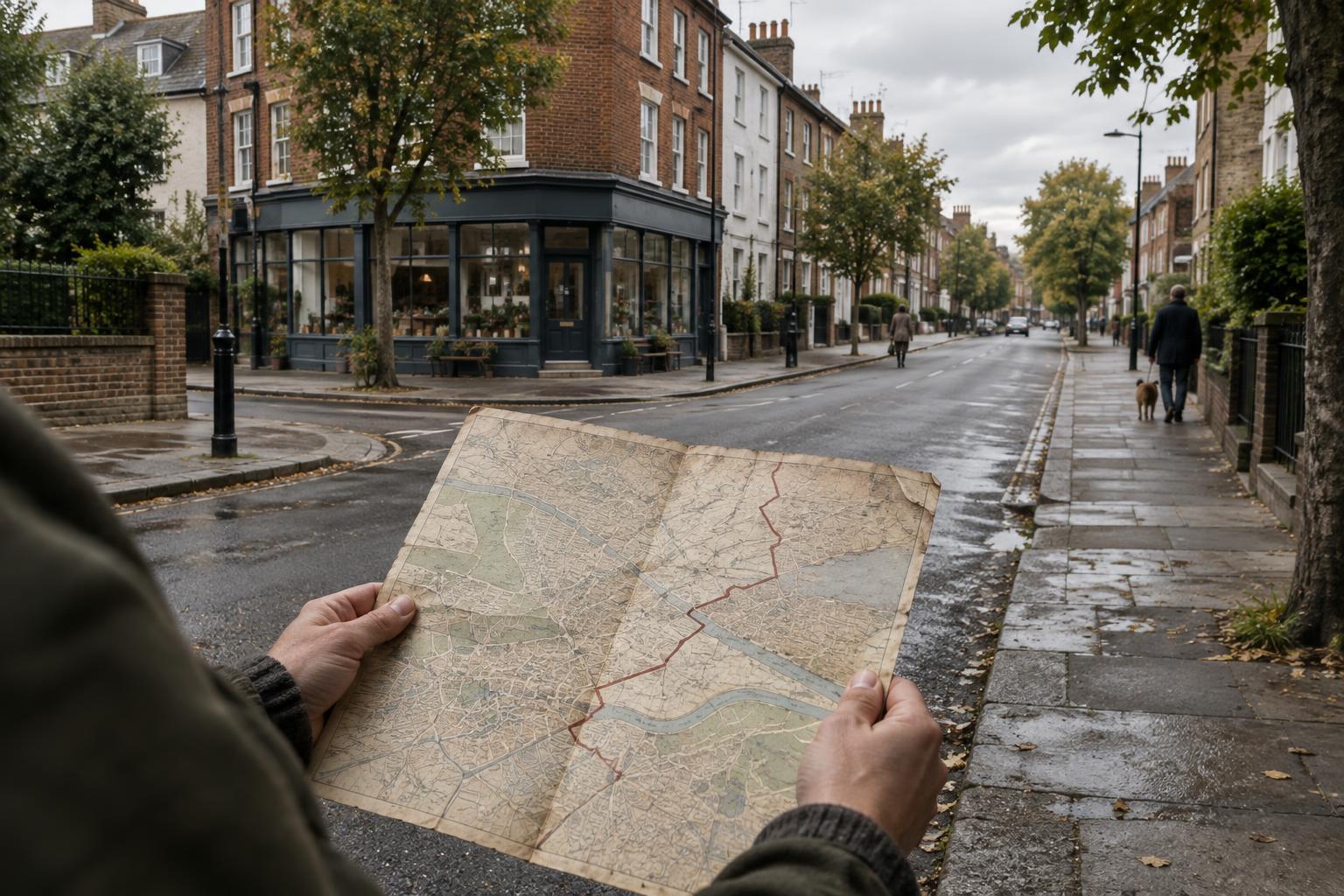
Cities and MemoryA redrawn boundary can change a city’s map without changing the streets people know. Remembering both versions means attending to names, routes, records and the quieter ways residents describe where they belong.
Read article · 4 min↗
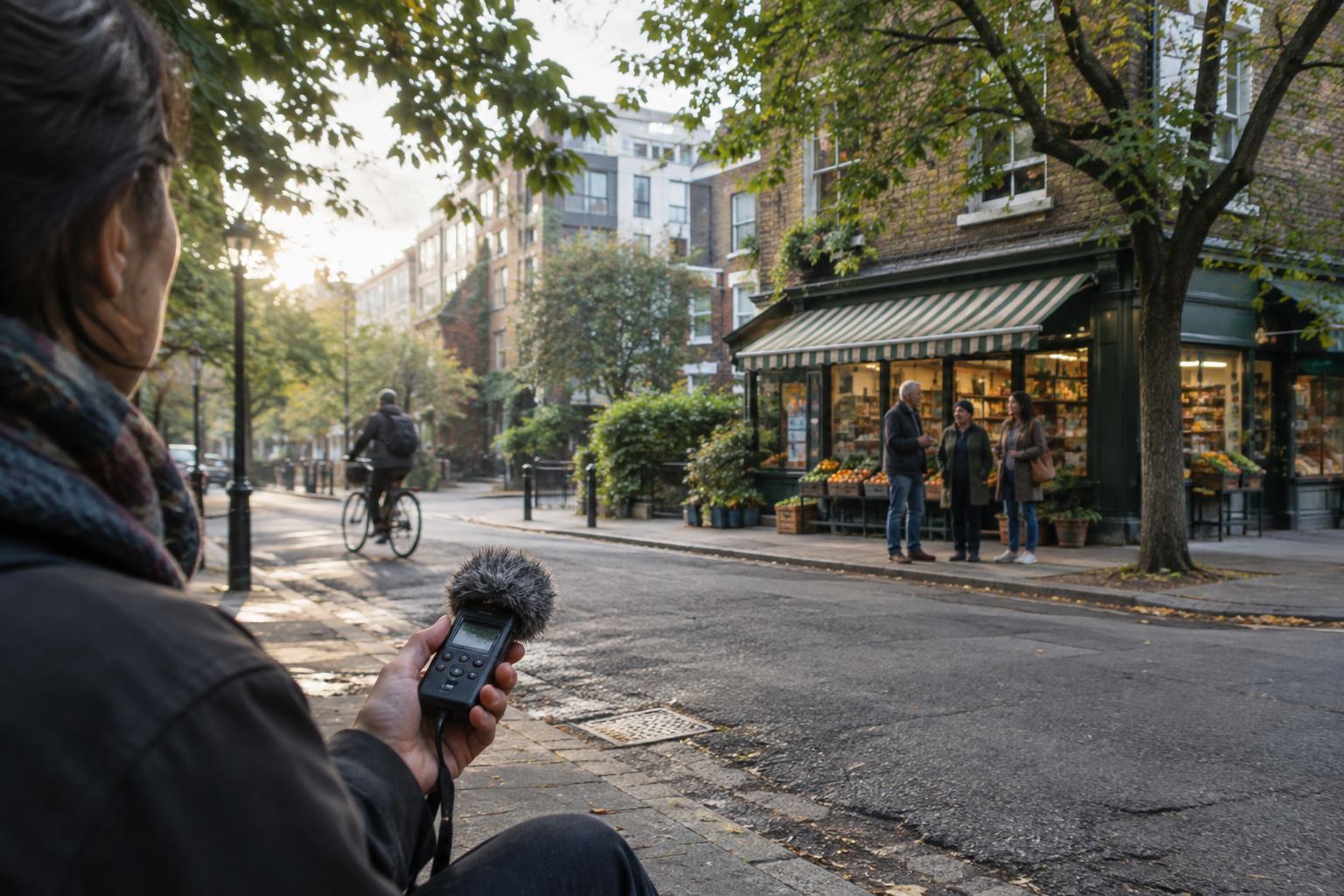
Cities and MemoryA map can show where a street runs, and a photograph can preserve how it looked. To remember how a place felt, listen to its rhythms, voices and pauses. Here is a practical approach to documenting a city through sound without treating its people as background noise.
Read article · 4 min↗
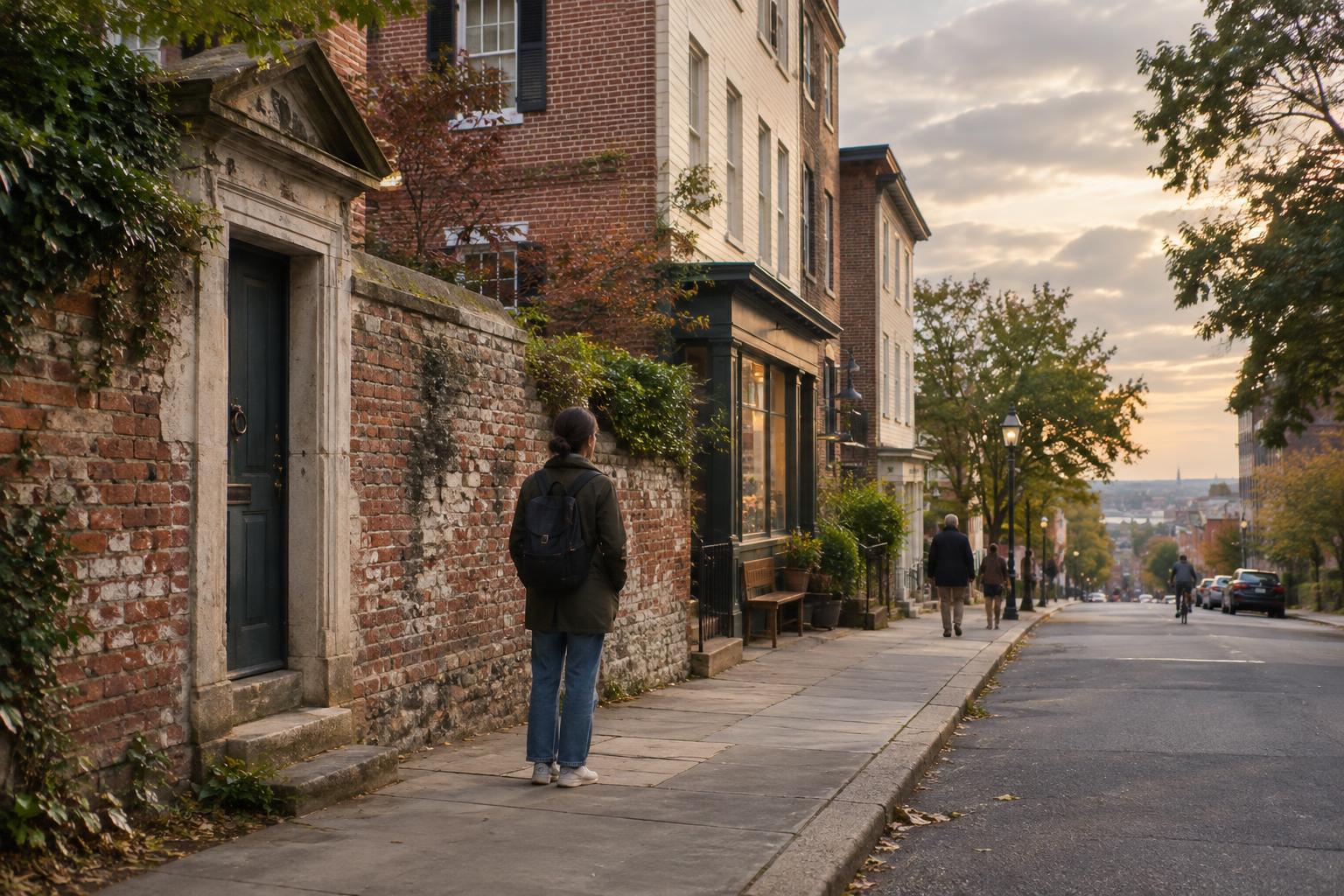
Cities and MemoryA thoughtful history walk can reveal stories hidden in everyday streets without treating a neighborhood as a museum. Here is a practical way to choose a theme, connect places, check what you know, and leave room for the people who live there now.
Read article · 4 min↗
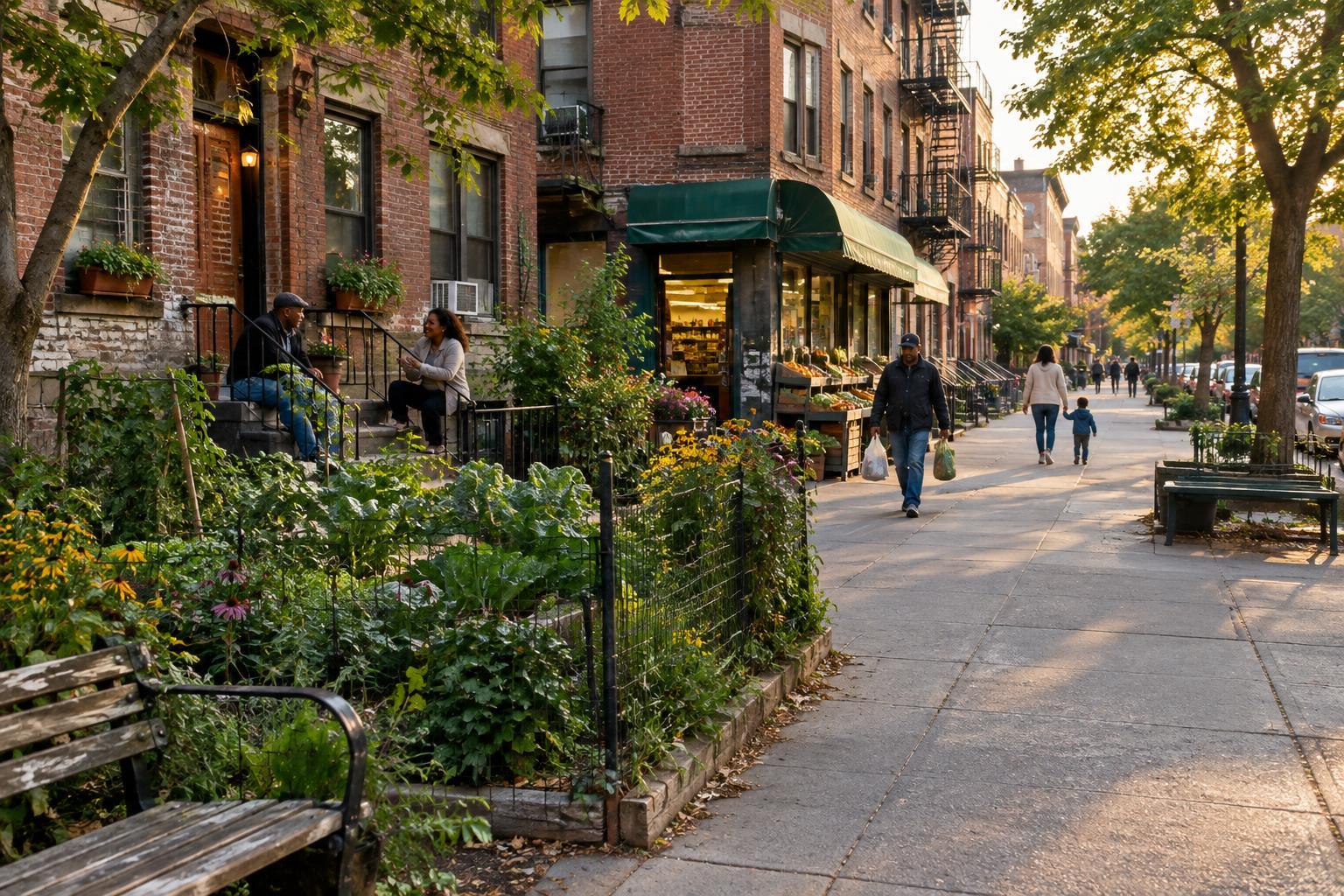
Cities and MemoryA neighborhood may be missing from a map, a city history or a visitor’s view without being forgotten by the people who live there. Here are common mistakes writers make with that label, and ways to describe urban memory more precisely.
Read article · 4 min↗
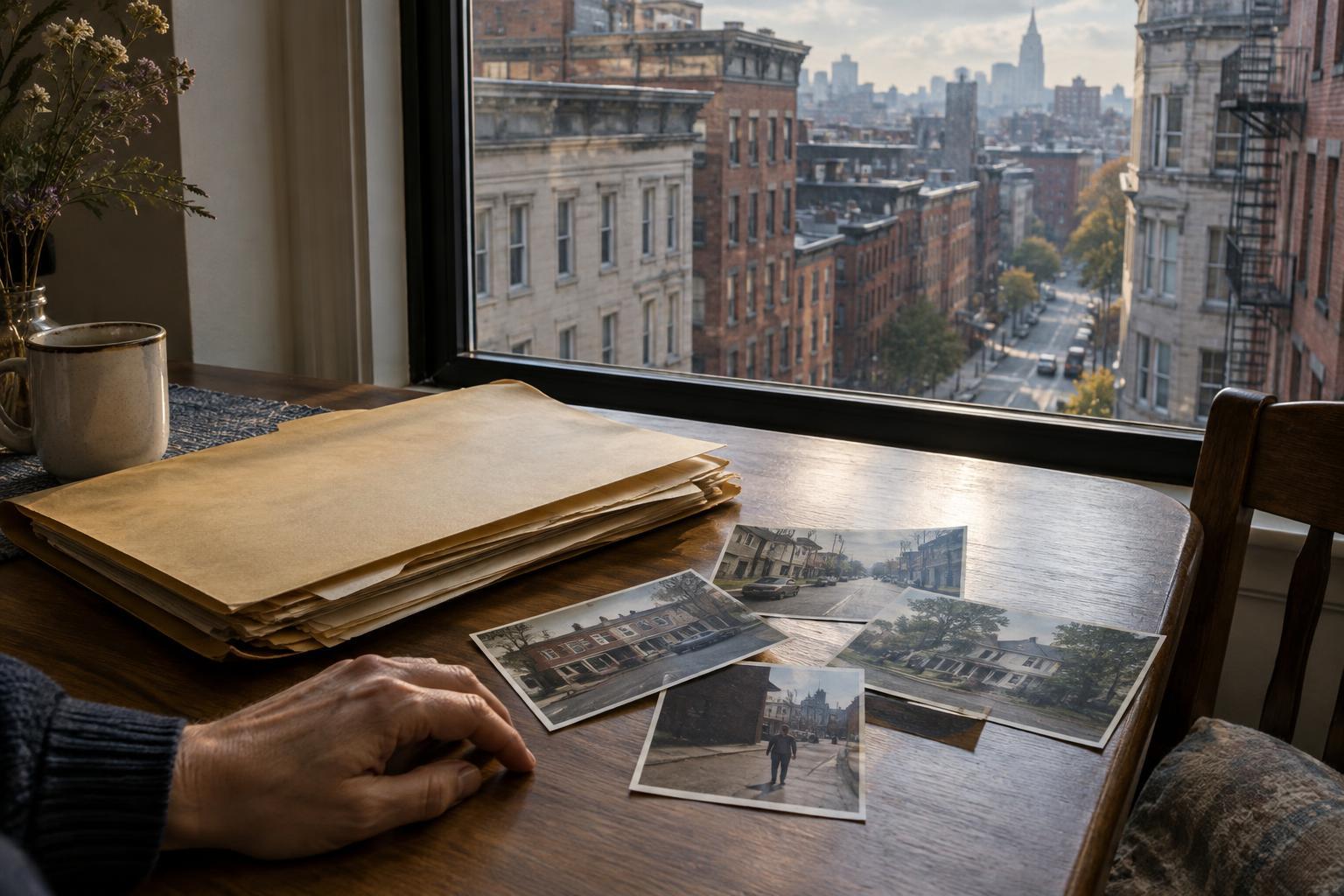
Cities and MemoryA city exists both in the records it keeps and in the stories its residents carry. Reading family memories alongside municipal records can reveal not only what changed, but whose experiences were easy to document and whose were not.
Read article · 4 min↗
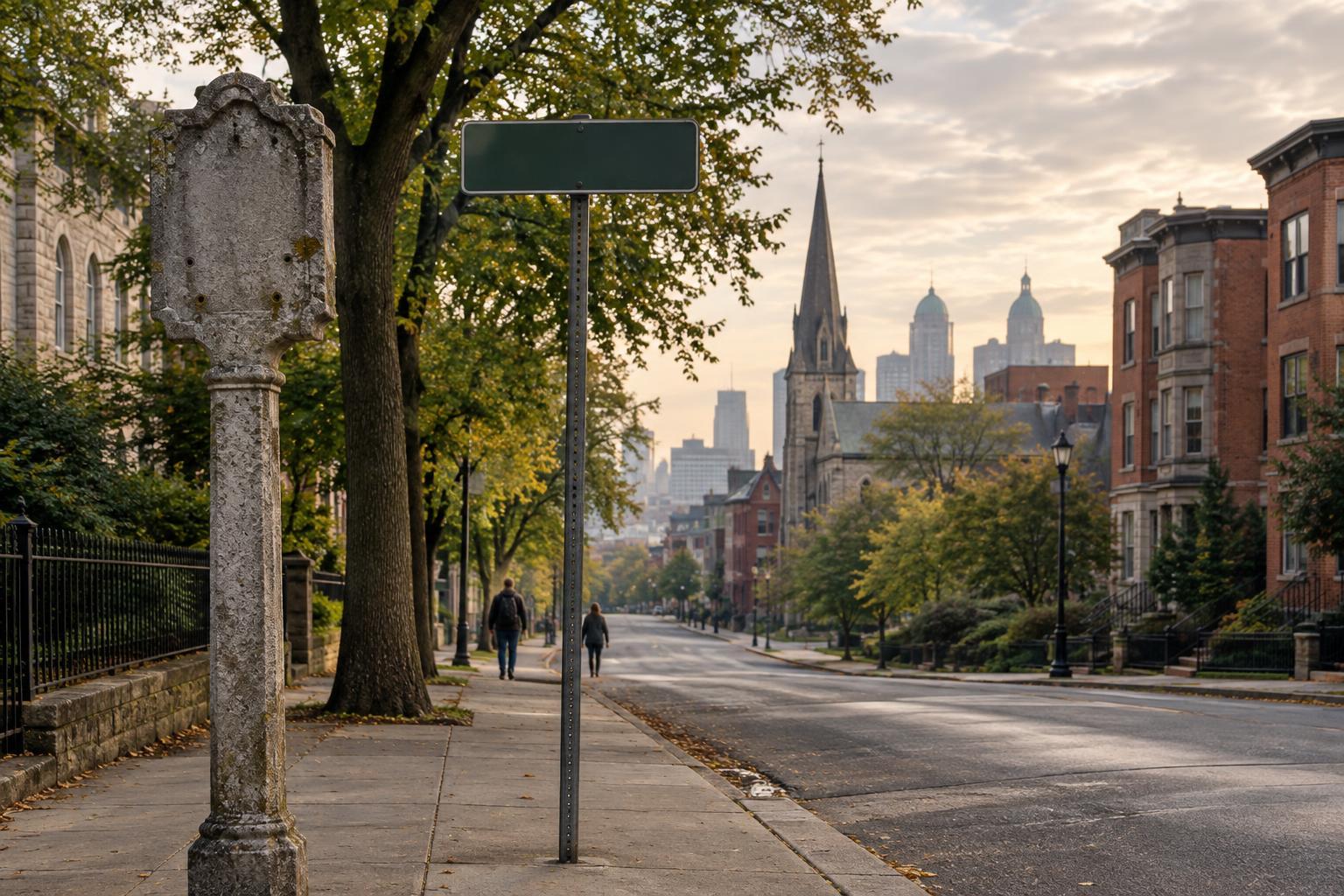
Cities and MemoryA street, park or neighborhood name can hold several histories at once. This guide offers a practical way to investigate who chose a name, what it displaced, why it changed and how people continue to use it.
Read article · 4 min↗
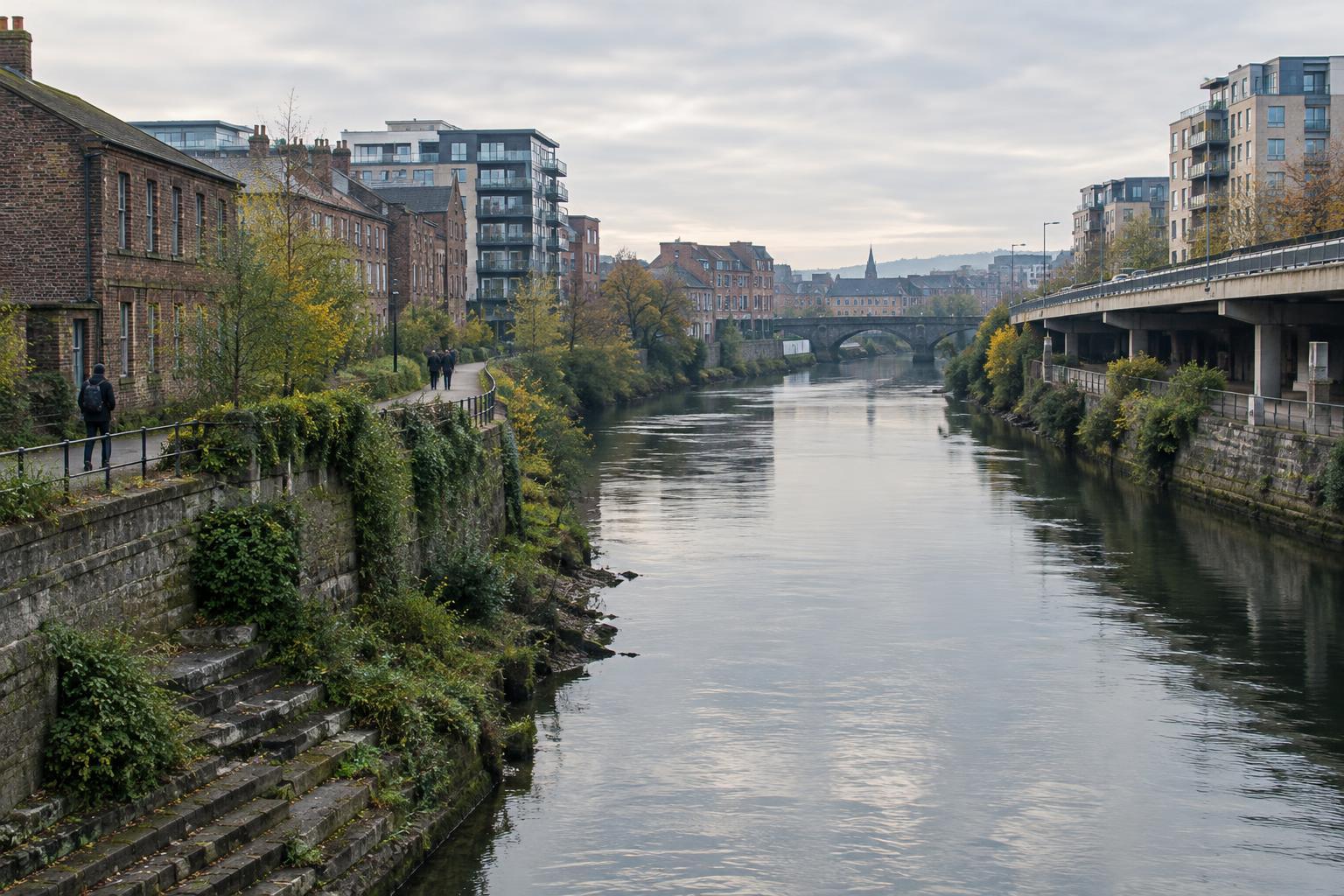
Cities and MemoryA river can be straightened, buried or separated from daily life by roads and buildings, yet still shape how a city moves, remembers and tells stories about itself. Looking for those traces offers a way to read the city beyond its present shoreline.
Read article · 4 min↗
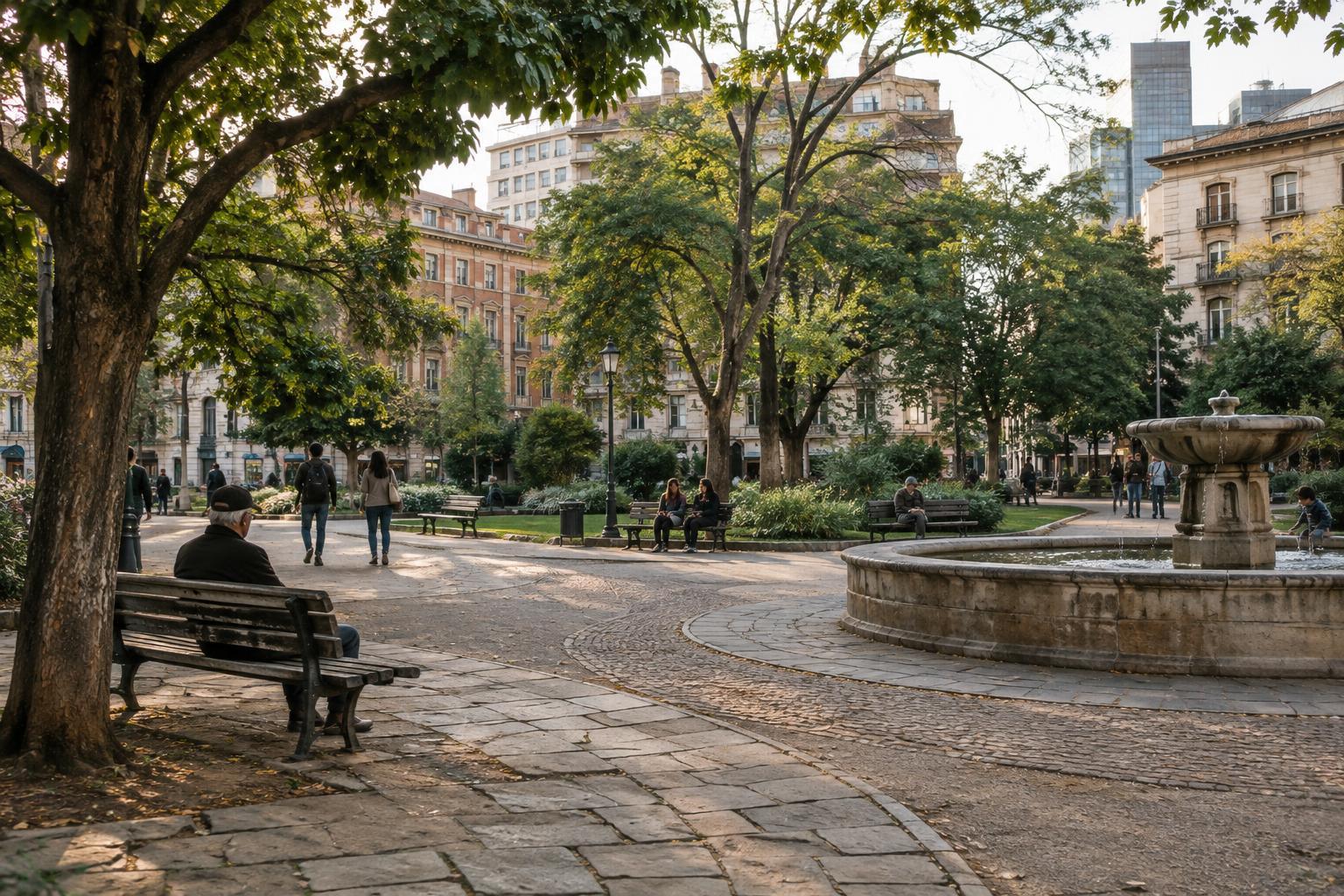
Cities and MemoryParks and plazas hold more than monuments. Their paths, benches, gatherings and changing uses offer a way to read a city’s shared past, including the memories its official accounts leave out.
Read article · 4 min↗
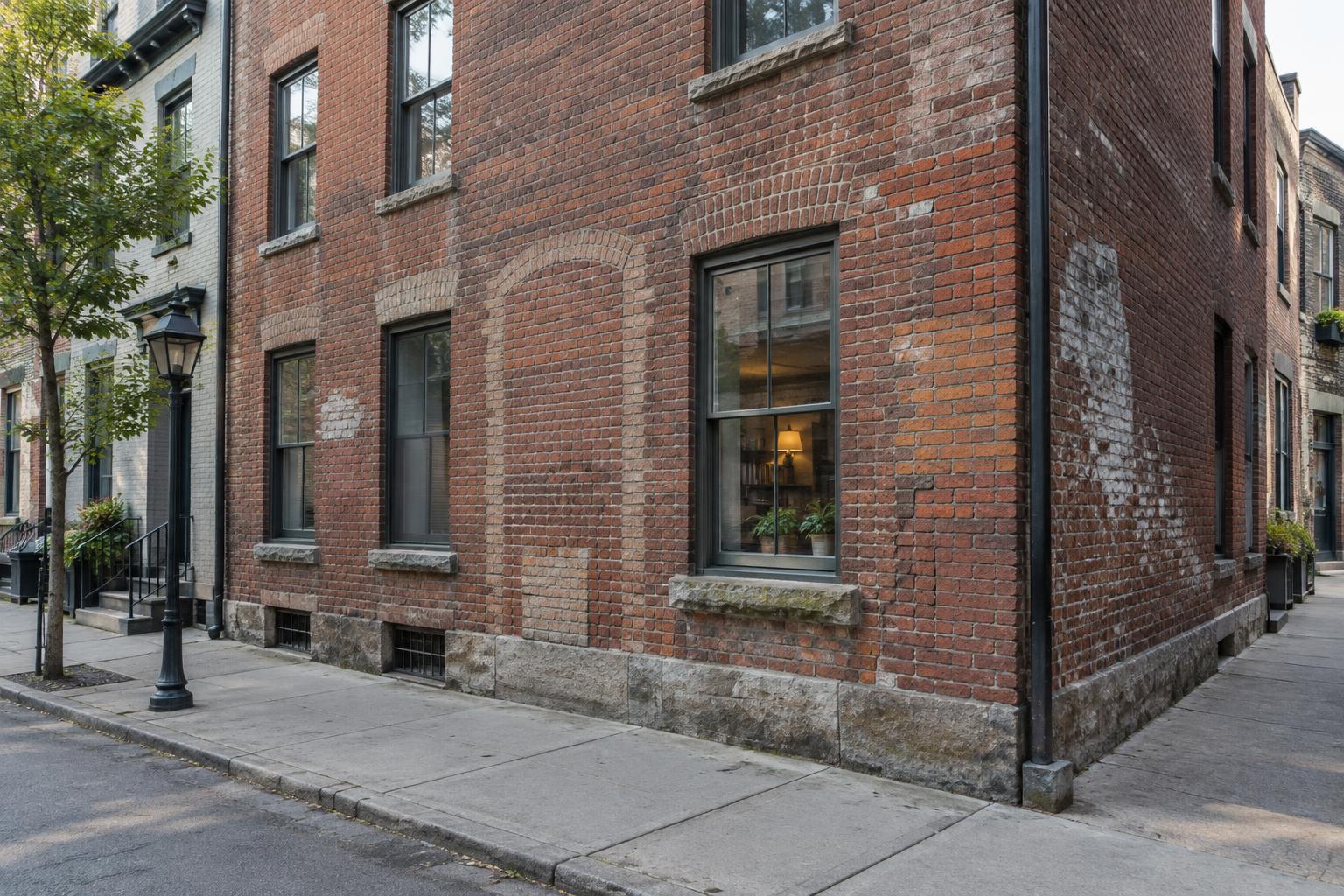
Cities and MemoryAn older building can hold clues to changing uses, streets and communities. Learn how to observe its visible layers, ask better questions and distinguish what the building shows from the stories we bring to it.
Read article · 4 min↗
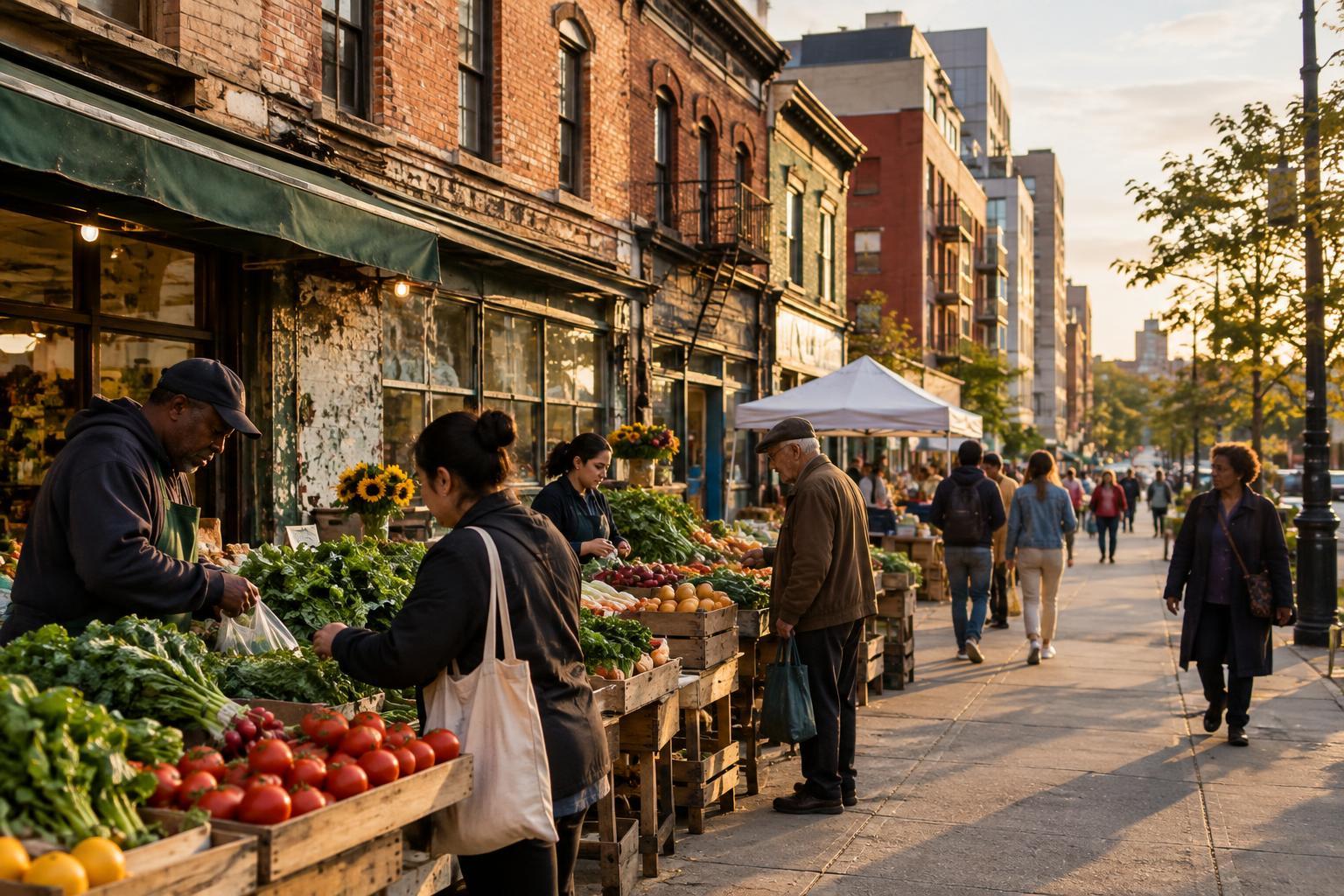
Cities and MemoryA marketplace is more than a place to buy things. Its stalls, storefronts, routes and routines can reveal how a neighborhood has changed—and whose memories remain visible.
Read article · 4 min↗
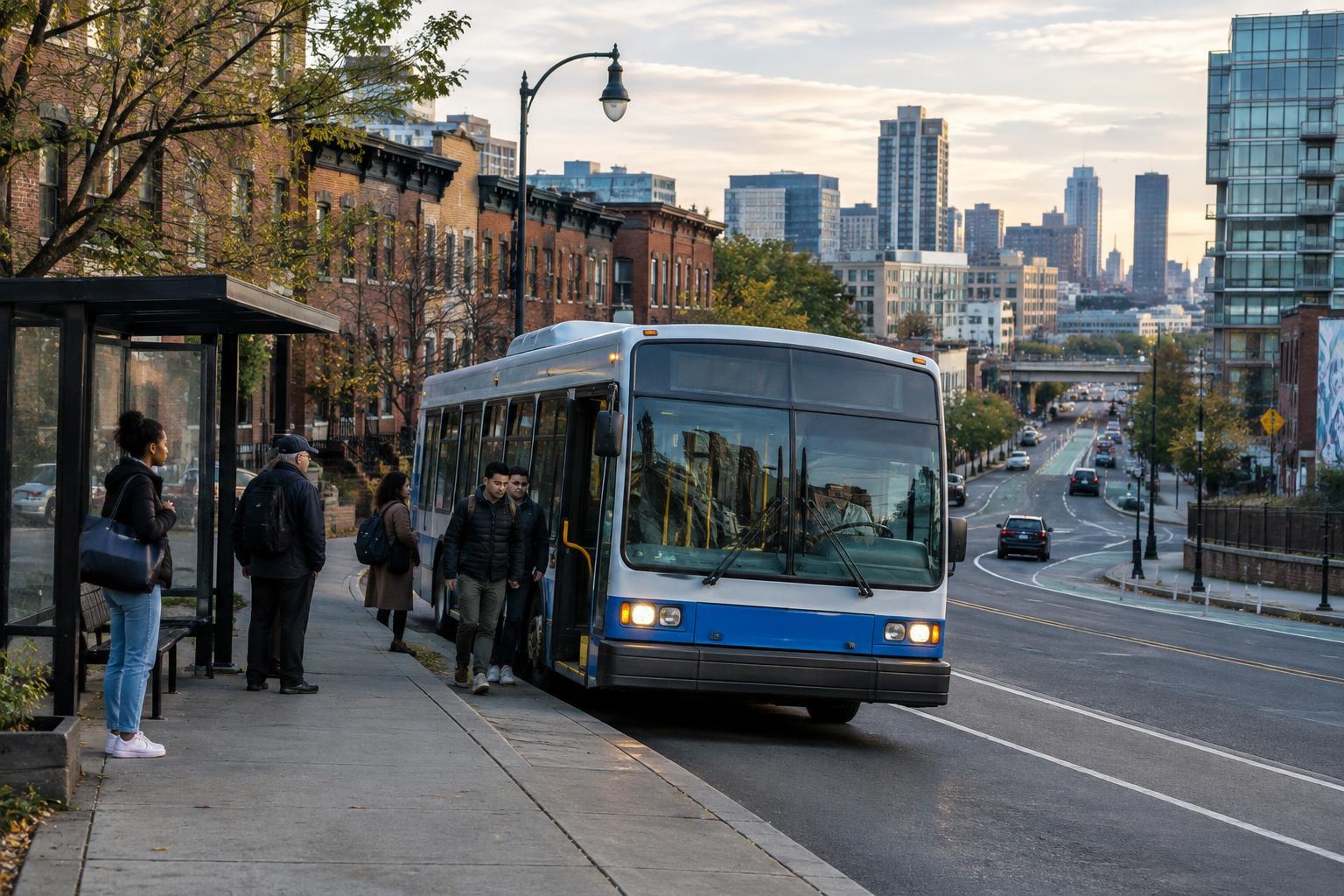
Cities and MemoryA bus route or train line can reveal how a city connects homes, workplaces and public spaces. Reading those routes as records of change also means noticing what a map leaves out: waiting, transfers, lost connections and the memories passengers carry.
Read article · 4 min↗
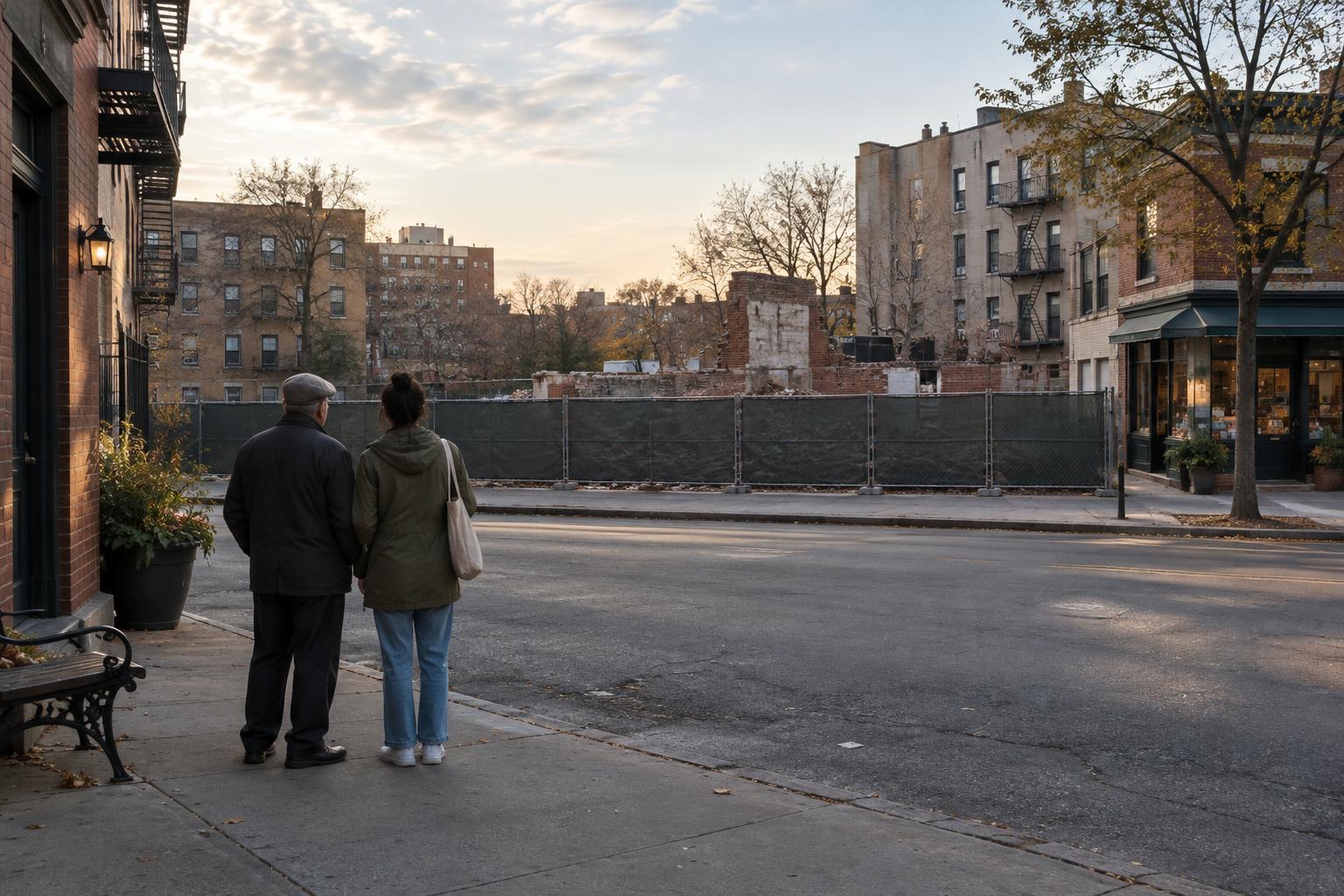
Cities and MemoryA building can hold more than its original purpose. When a familiar place disappears, people may lose a meeting point, a set of routines and a way to tell the story of a neighborhood. Remembering it well means paying attention to who used it, who is leaving and whose memories are heard.
Read article · 4 min↗
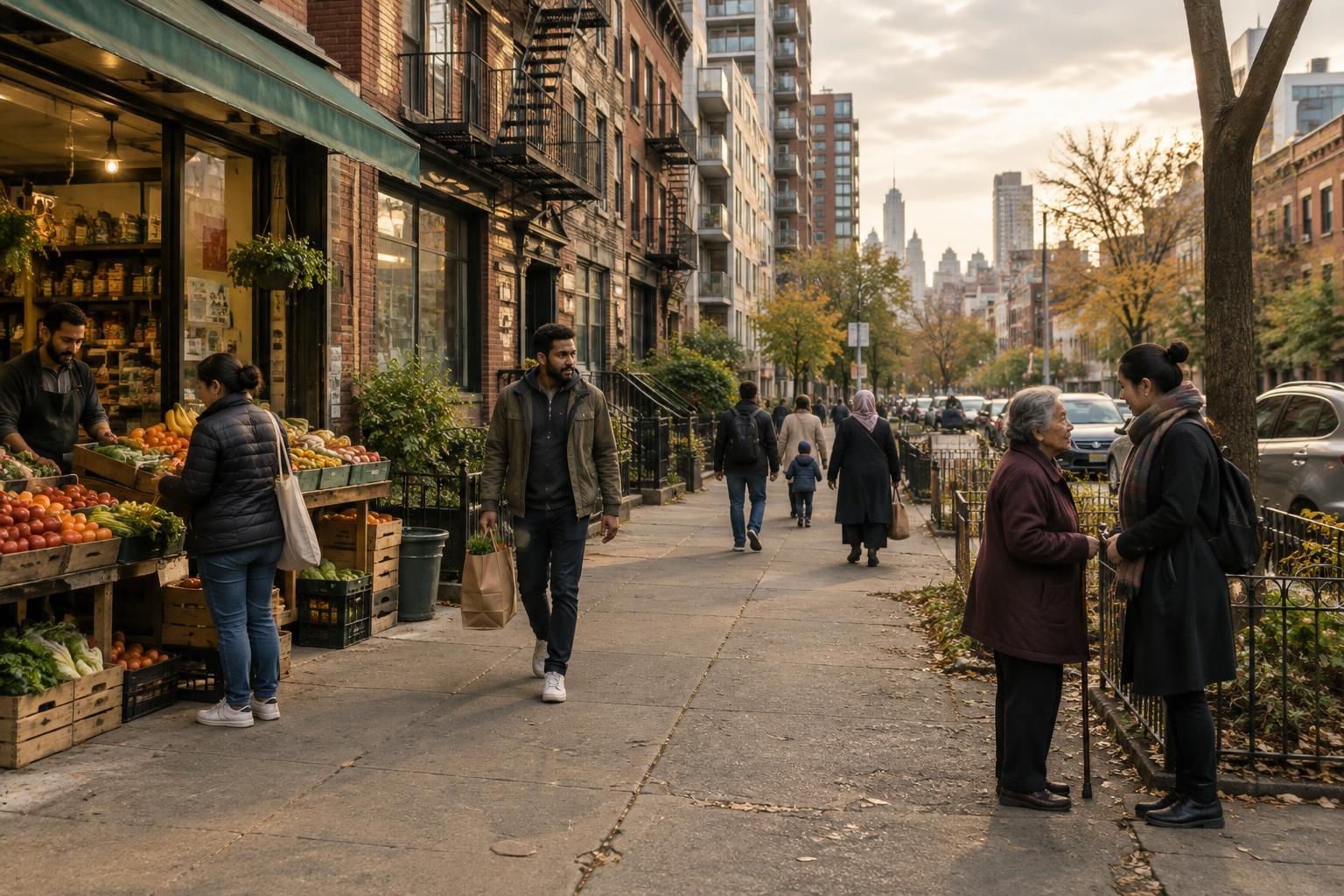
Cities and MemoryA city remembers through more than monuments. Languages, routes, businesses, family stories and changing neighborhoods all carry traces of movement. Looking at migration as part of urban memory reveals both what a city preserves and what it is willing to forget.
Read article · 4 min↗
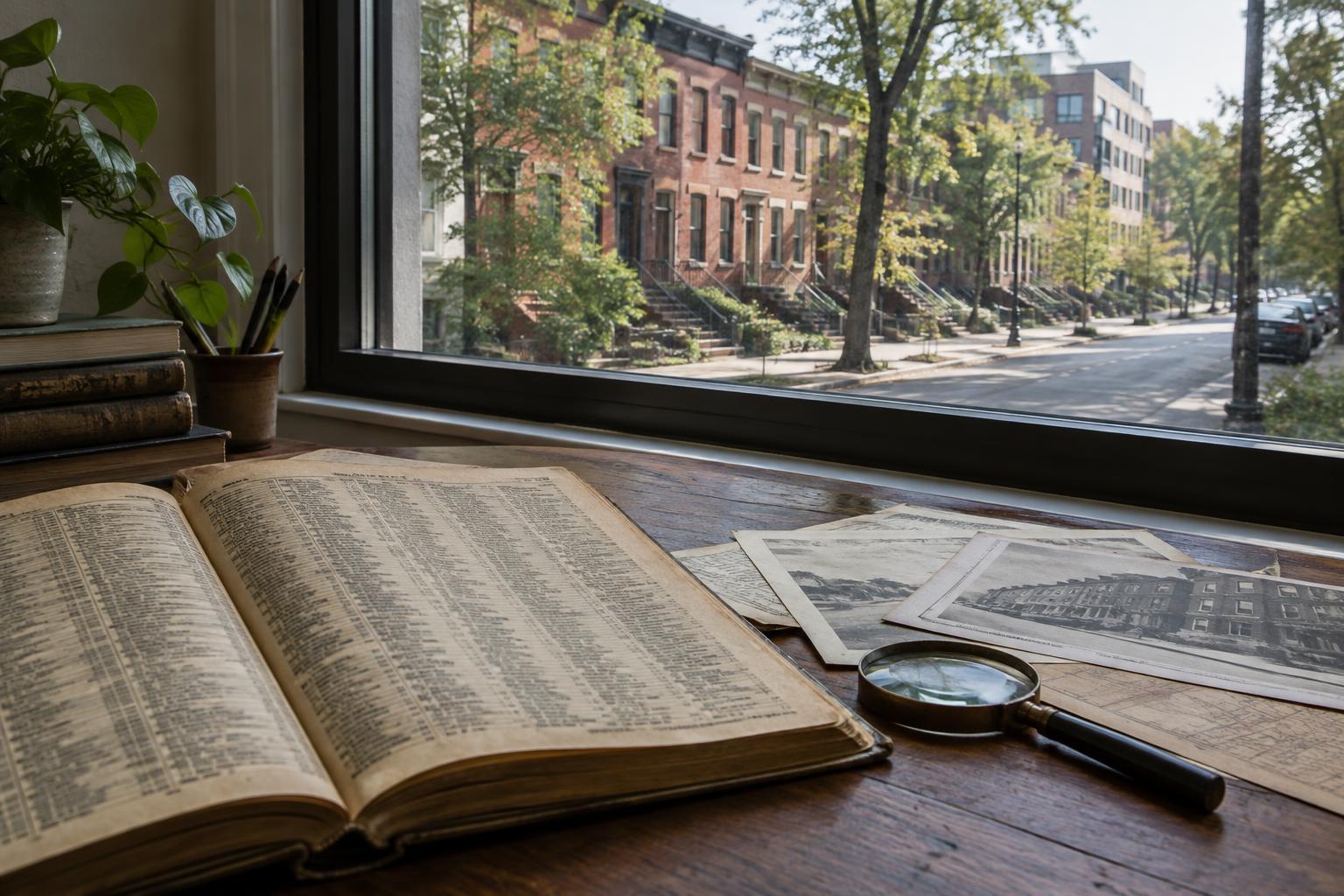
Cities and MemoryCity directories can reveal how a neighborhood changed one address at a time. Learn how to read their entries, compare them across years, and recognize the people and places their listings leave out.
Read article · 4 min↗
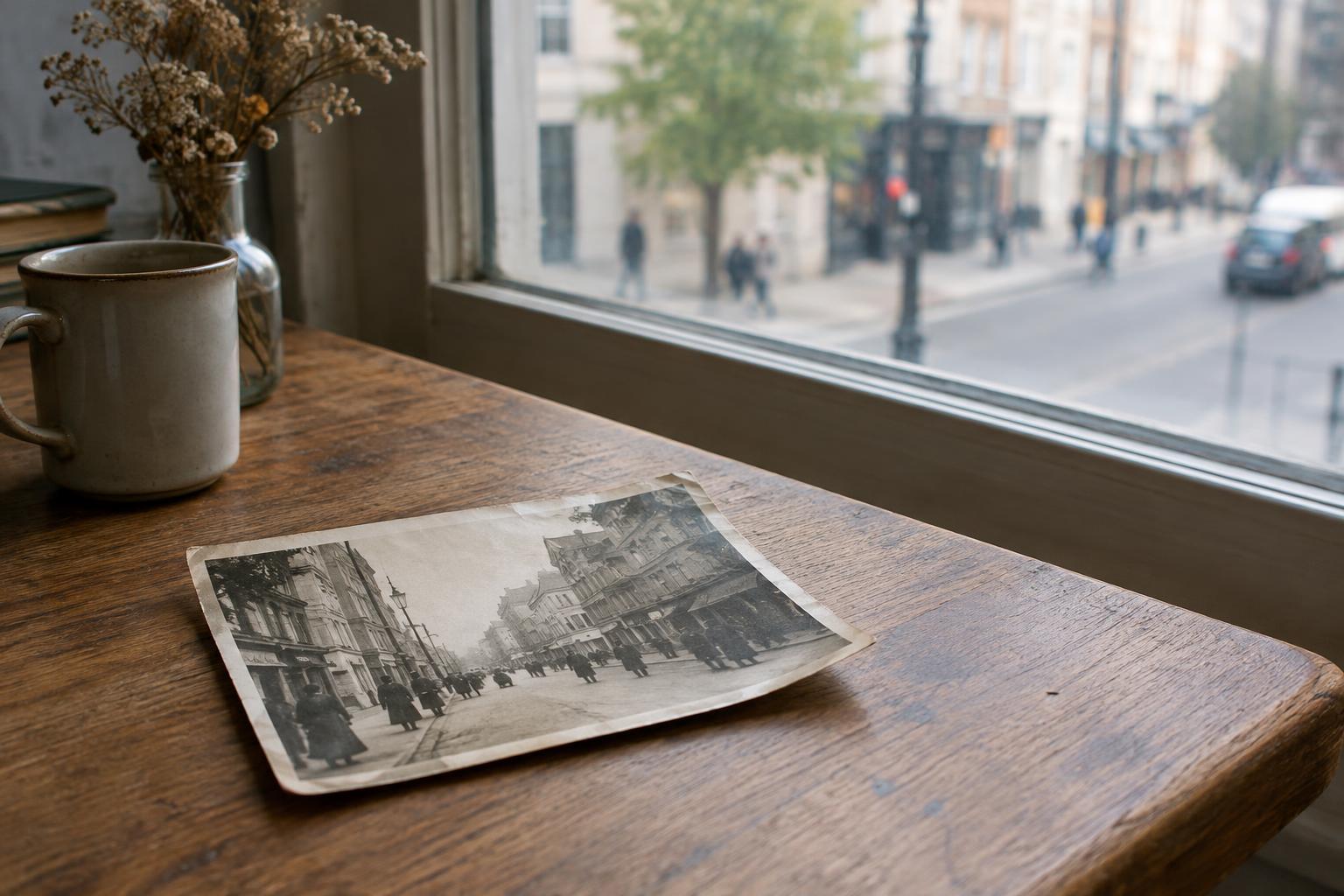
Cities and MemoryAn old photograph can show a street’s surfaces, signs and patterns of use, but it cannot tell us everything about the lives lived there. A careful reading begins with what is visible, asks what lies outside the frame and leaves room for uncertainty.
Read article · 4 min↗
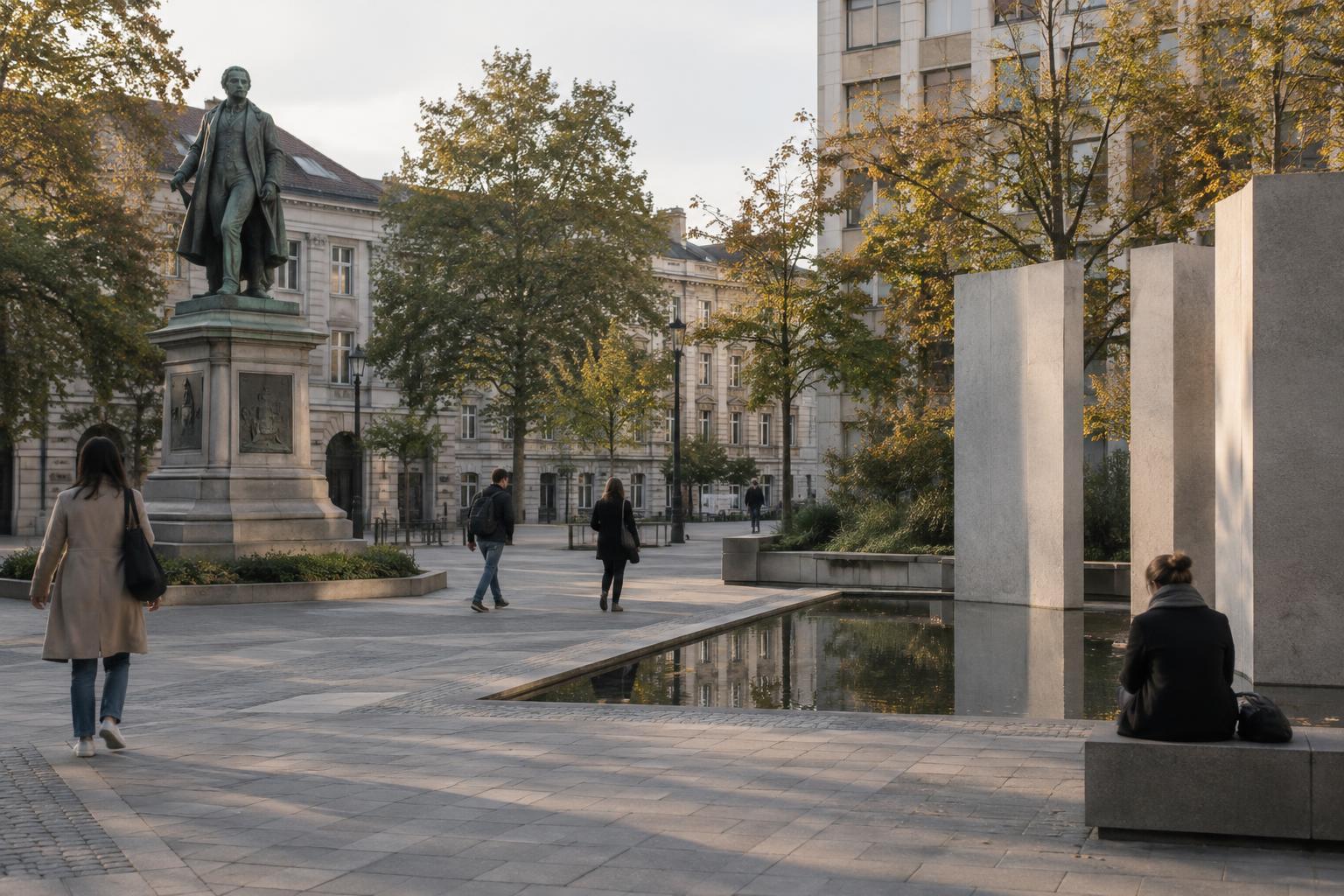
Cities and MemoryMonuments and memorials both shape what a city remembers, but they often ask different things of the people who pass them. Looking at their purpose, design and everyday use reveals how public memory becomes part of urban life.
Read article · 4 min↗
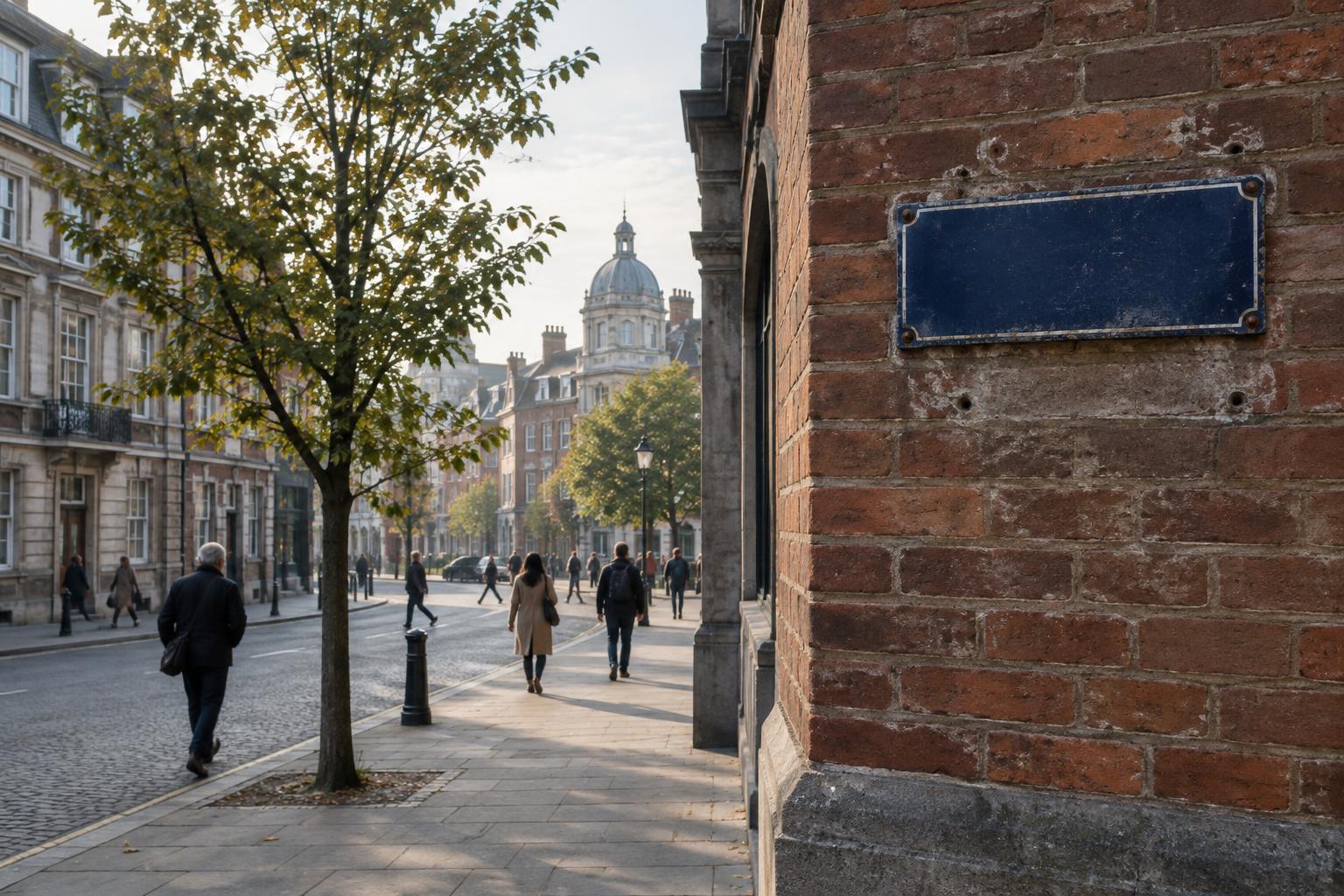
Cities and MemoryStreet names help us find our way, but they also shape which people and histories become familiar. Reading a city’s signs closely can reveal patterns of recognition, absence and change.
Read article · 4 min↗
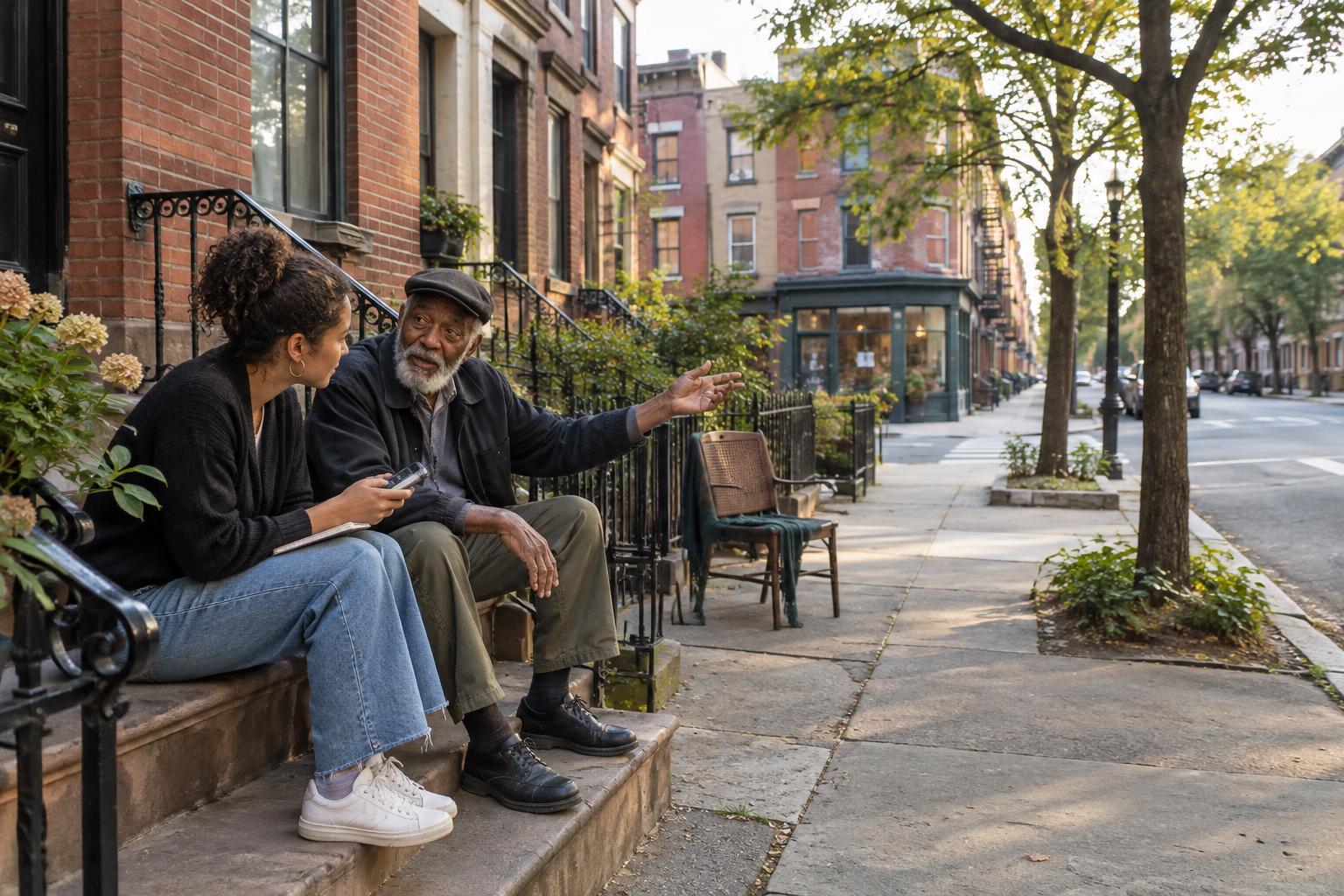
Cities and MemoryA neighborhood is more than its buildings and boundaries. Oral histories can preserve the routines, relationships and changes people remember, provided interviewers ask open questions and remain honest about whose voices are missing.
Read article · 4 min↗
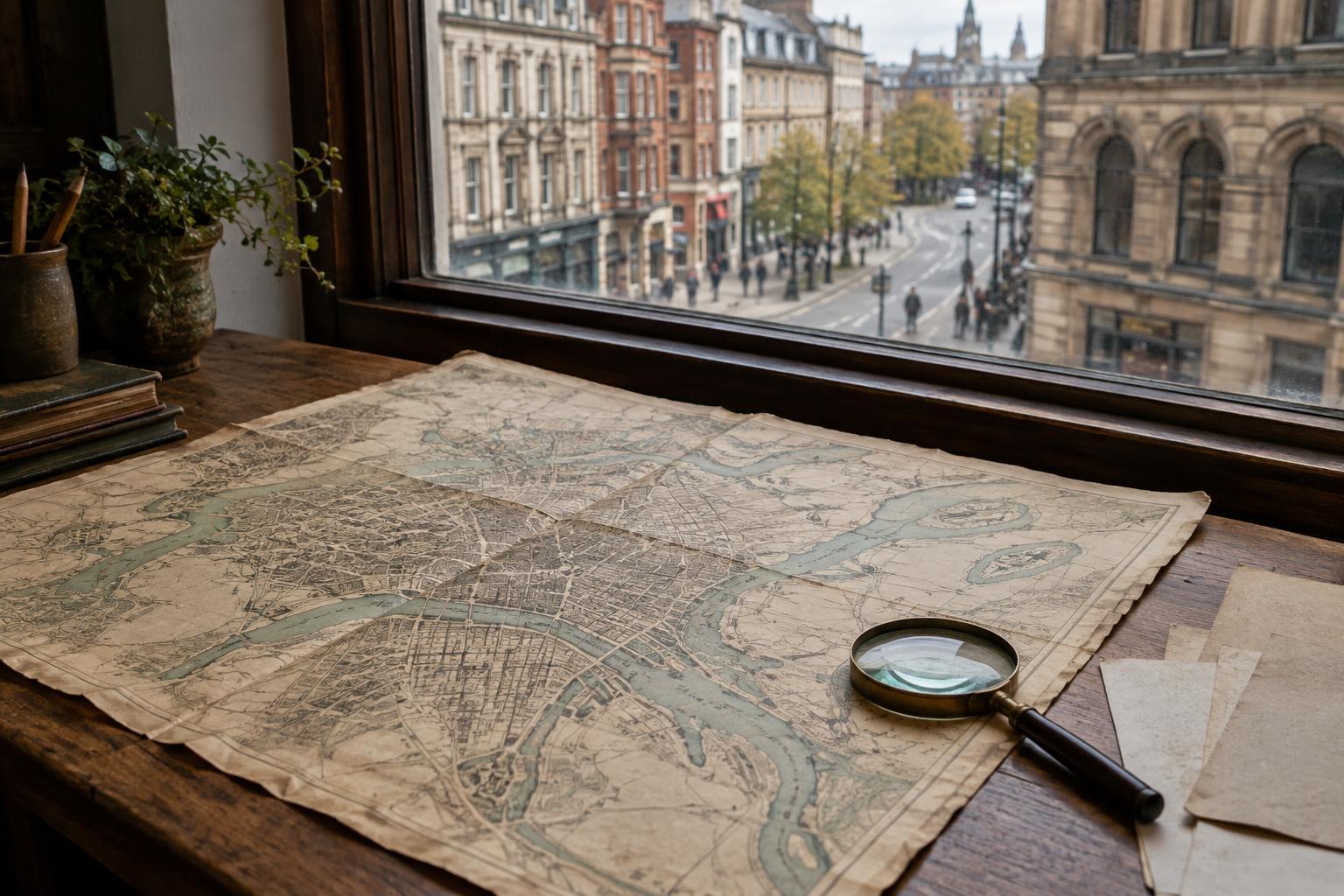
Cities and MemoryAn old city map can reveal how streets, waterways and neighbourhoods were represented at a particular moment. It can also leave out the people and relationships that made those places meaningful. Here is a practical way to read historical maps for both their details and their silences.
Read article · 4 min↗
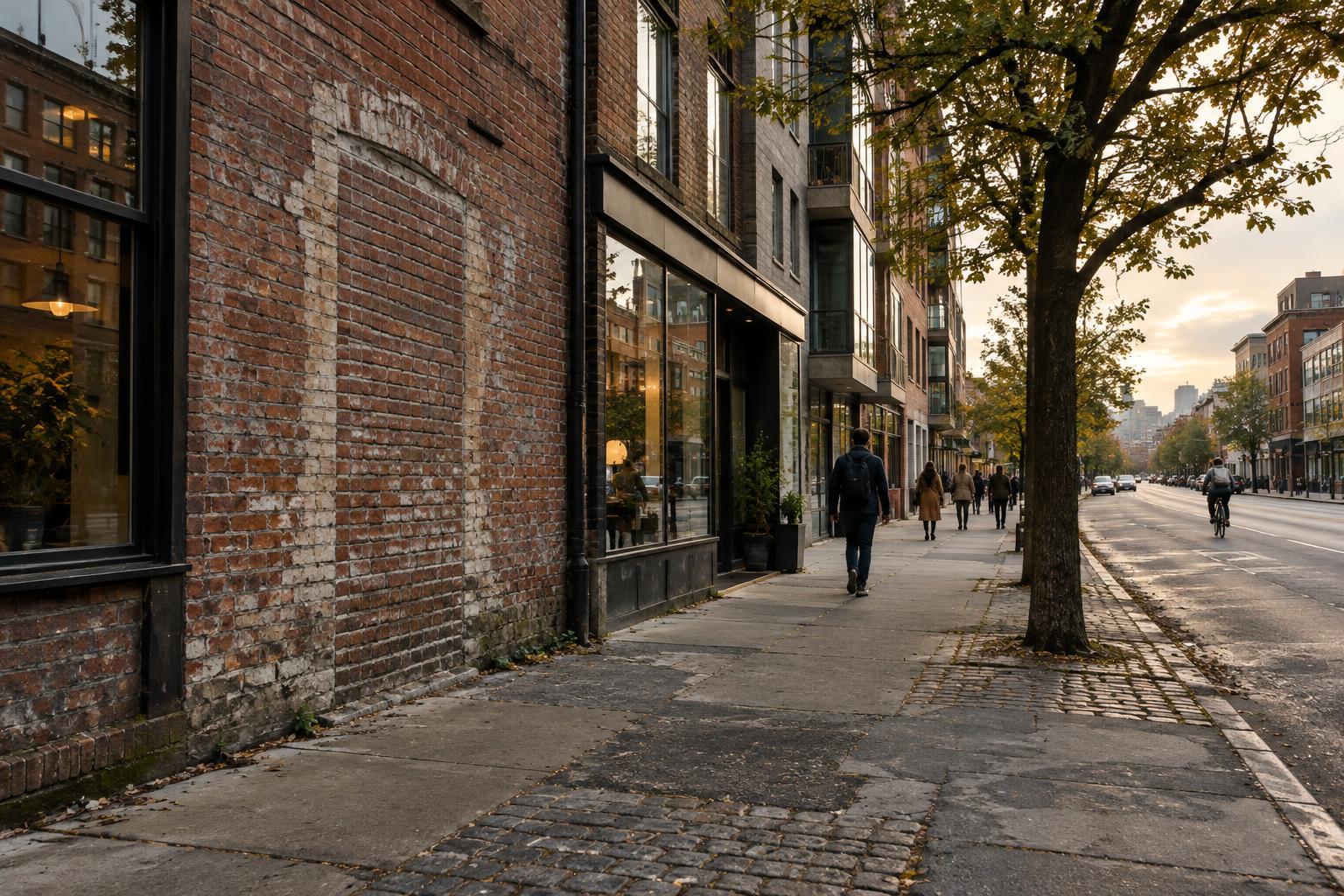
Cities and MemoryA city cannot remember in the way a person does. Yet its streets, buildings, names and stories carry traces of earlier lives. This guide explains urban memory, why it is often contested and how to notice it in the places you know.
Read article · 4 min↗