Begin with a question, not a list of landmarks
An overlooked history is not always attached to a hidden building. It may be visible in a street name no one pauses to consider, a former gathering place now used for something else, or the distance between a workplace and the homes of the people who staffed it. To build a walking route, begin with a question you can follow on foot: Where did a community find room to meet? How did a waterfront shape daily labor? Which traces of an older neighborhood remain in the present one?
Keep the question narrow enough to guide your choices. A route about every change in a district will be difficult to walk and harder to tell. A route about one kind of work, one public space, or one period of change gives each stop a reason to be there. It also reminds you that a walk is an introduction to a history, not a complete account of it.
Find places where the story can be seen or felt
Make a provisional list of places connected to your question. Include obvious candidates, such as a surviving building or memorial, but consider ordinary corners too: a bridge that changed how people moved, a vacant lot where a structure once stood, or a block whose businesses serve a changing population. A stop does not need a dramatic view. It needs a clear connection to the story and a safe, public place from which to consider it.
Then put the places in an order that works as a walk rather than as a catalogue. A compact route is usually easier to follow than one that asks walkers to cross the city between stops. Look for a beginning that poses the question, a middle that complicates it, and an ending that opens it outward. Walking time matters as much as narrative sequence: crossings, hills, places to rest, and stretches without shade can determine whether someone can enjoy or complete the route.
Check the story behind each stop
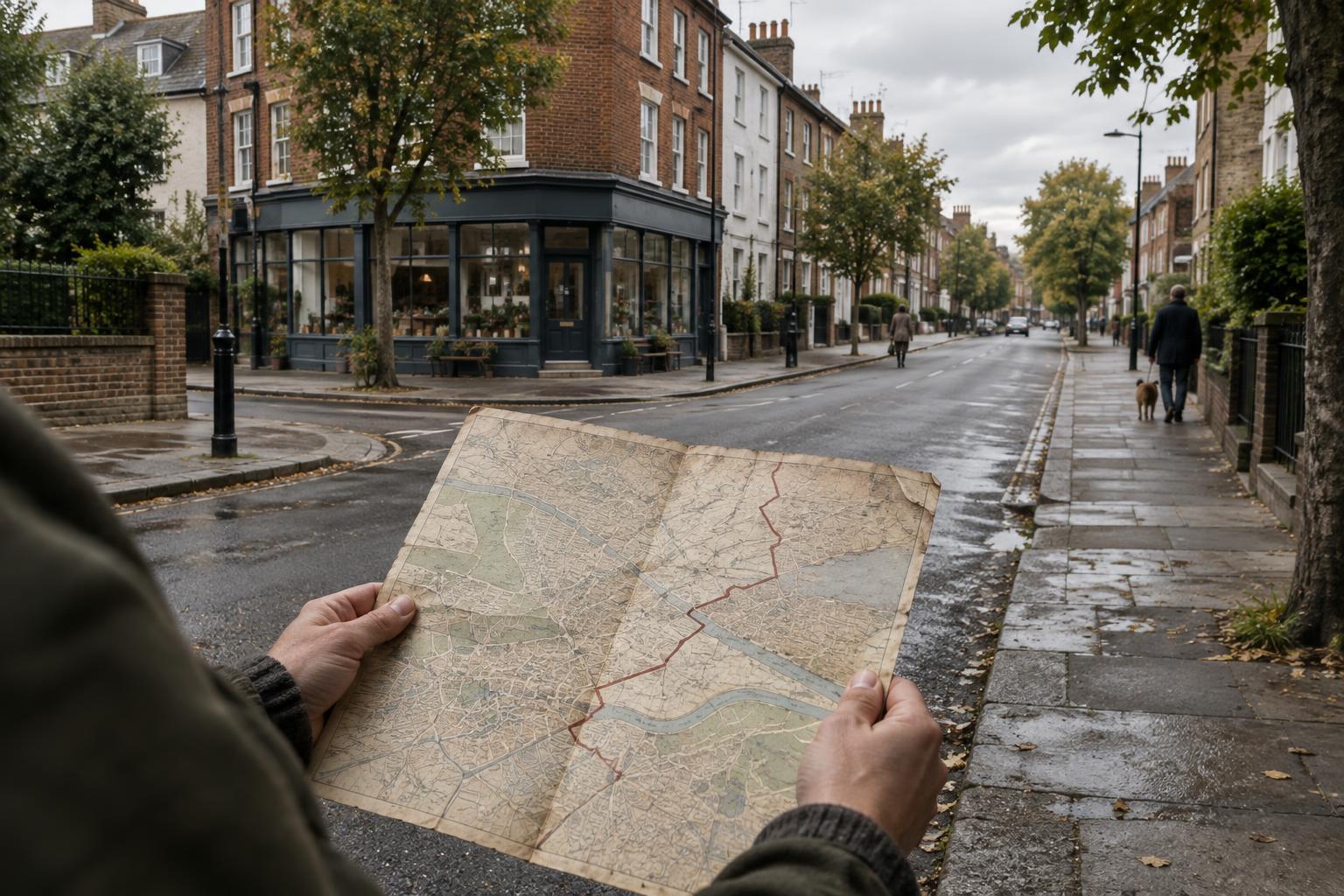
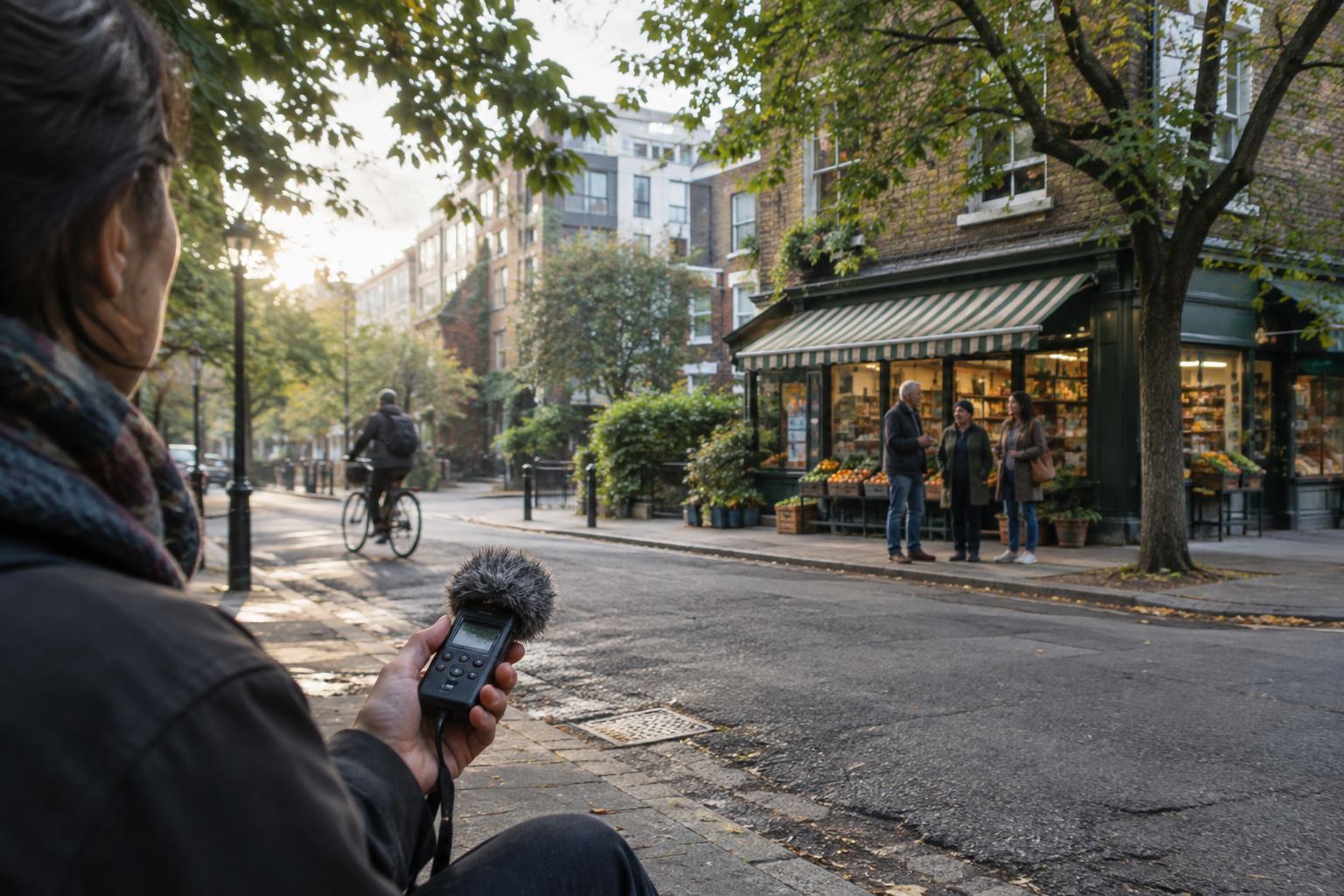
For every proposed stop, write down what you know, how you know it, and what remains uncertain. Local archives, libraries, maps, oral histories, community publications, and signs on site may offer different kinds of evidence. A map can locate a former building; a personal recollection may explain what that place meant to someone. Neither should be made to answer a question it cannot answer. If accounts disagree, the disagreement may be worth acknowledging rather than smoothing away.
Pay particular attention to whose history has already been recorded and whose has not. Absence from an archive does not mean absence from a street. At the same time, avoid filling gaps with confident guesses about a community’s experience. If you are sharing the route publicly, make it possible for walkers to distinguish a documented fact from an interpretation or an open question. That care makes the walk more engaging, not less: it invites people to notice how a city’s stories are assembled.
Write stops that connect past and present
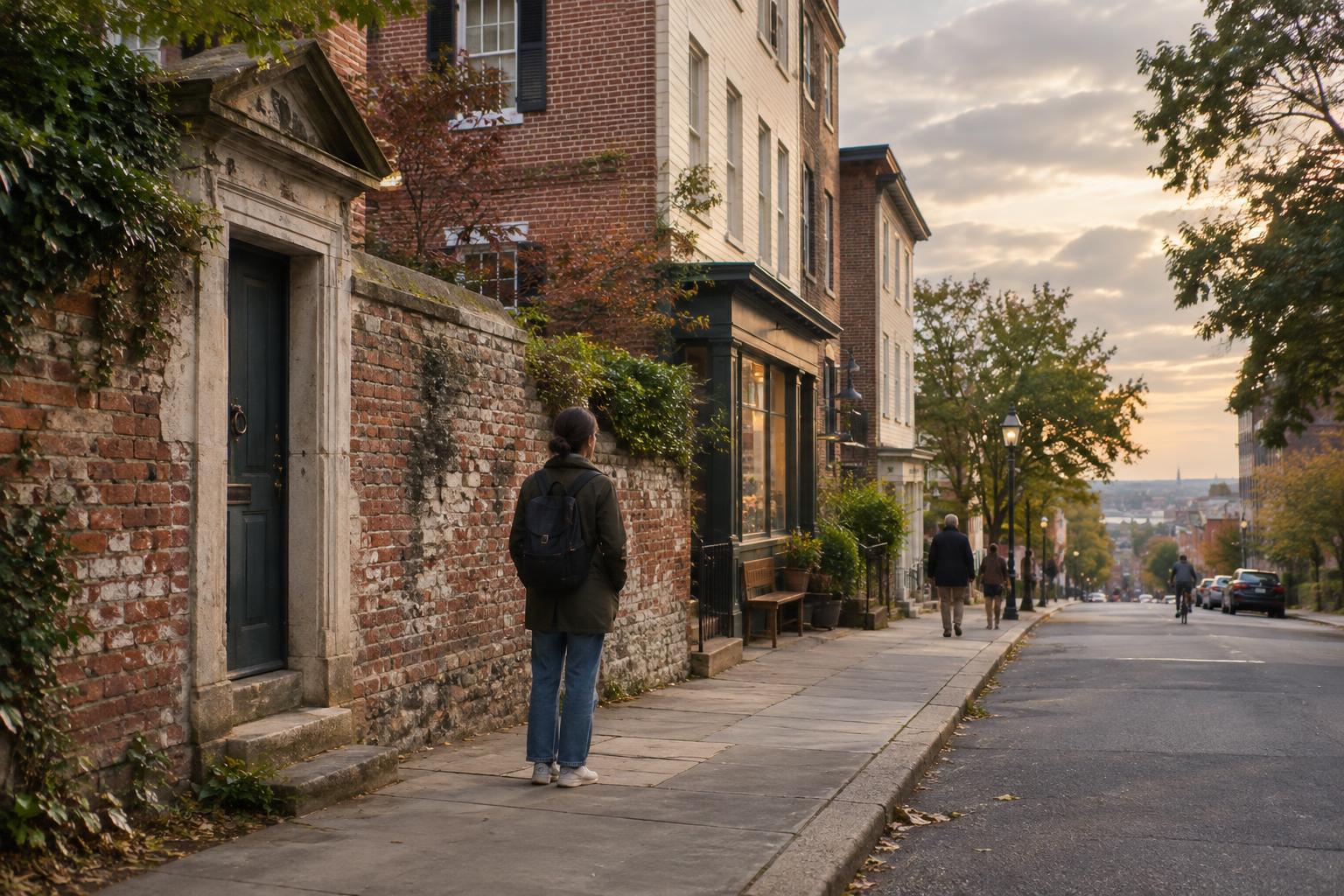
A useful stop description gives walkers something to observe before it explains what they are seeing. You might ask them to notice the width of a road, the entrance to a building, or the way a rail line divides two blocks. Then connect that detail to the route’s larger question. Keep each description short enough to read while standing, and avoid requiring anyone to linger in a doorway, block a path, or look into a private home.
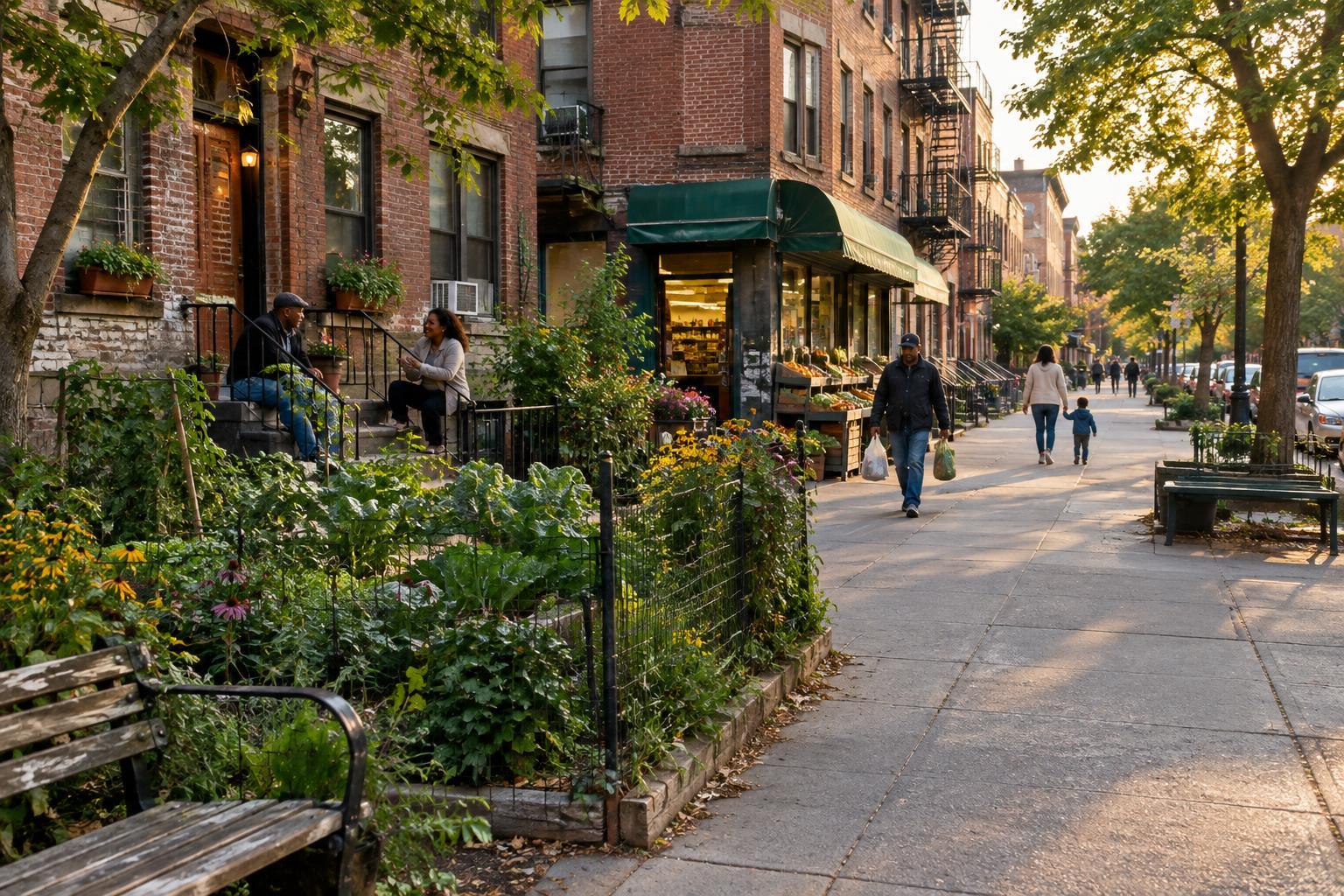
Present-day life is not merely scenery for a historical account. Businesses, residents, and passersby have their own relationships to these places. Resist language that calls an area forgotten when people have continued to remember and use it. If a site has changed beyond recognition, say so plainly; change can be part of the story. A former meeting hall that is now a shop, for example, can prompt questions about what survives in a building and what survives through people.
Walk the route, then revise it
Test your route on foot at a reasonable walking pace. Check whether each stop is visible from public space, whether directions make sense without local knowledge, and whether there are safer or more accessible ways between stops. Note where a walker could pause and where they should keep moving. Conditions can change, so describe features that matter to access without promising that a path will always be clear or a venue will always be open.
Finally, ask what the route leaves out. Could a different starting point change the story? Does the ending suggest that the history is finished when its effects may still be felt? A good walking route does not claim to reveal a city’s one true past. It offers a considered path through a few places, helping walkers look again at streets they might otherwise pass without a second thought.