
Cultural CriticismA novel, film, or exhibition cannot explain everything. Its choices about what to define, translate, or leave implicit can reveal how it addresses its audience. Here is a practical way to examine those choices without treating every omission as a flaw.
Read article · 4 min↗

Cultural CriticismAn exhibition label does more than identify an artwork. Its choices about context, language and attribution can shape what visitors notice. Learn how to read those choices critically while keeping the work itself in view.
Read article · 4 min↗

Cultural CriticismA critic can engage seriously with a story about a community they do not belong to without claiming authority over that community. The work begins with a clear sense of one’s limits, close attention to the text, and care about whose voices a review might amplify or crowd out.
Read article · 4 min↗

Cultural CriticismA review can leave you unconvinced without being wrong about everything. Learn how to identify its central claim, test the examples it uses and make a fair counterargument grounded in the work itself.
Read article · 4 min↗

Cultural CriticismCalling a poem, film or story “universal” can sound like praise. It can also flatten what makes the work distinctive. A closer look at the word reveals how critics can discuss broad appeal without treating one audience’s experience as everyone’s.
Read article · 4 min↗
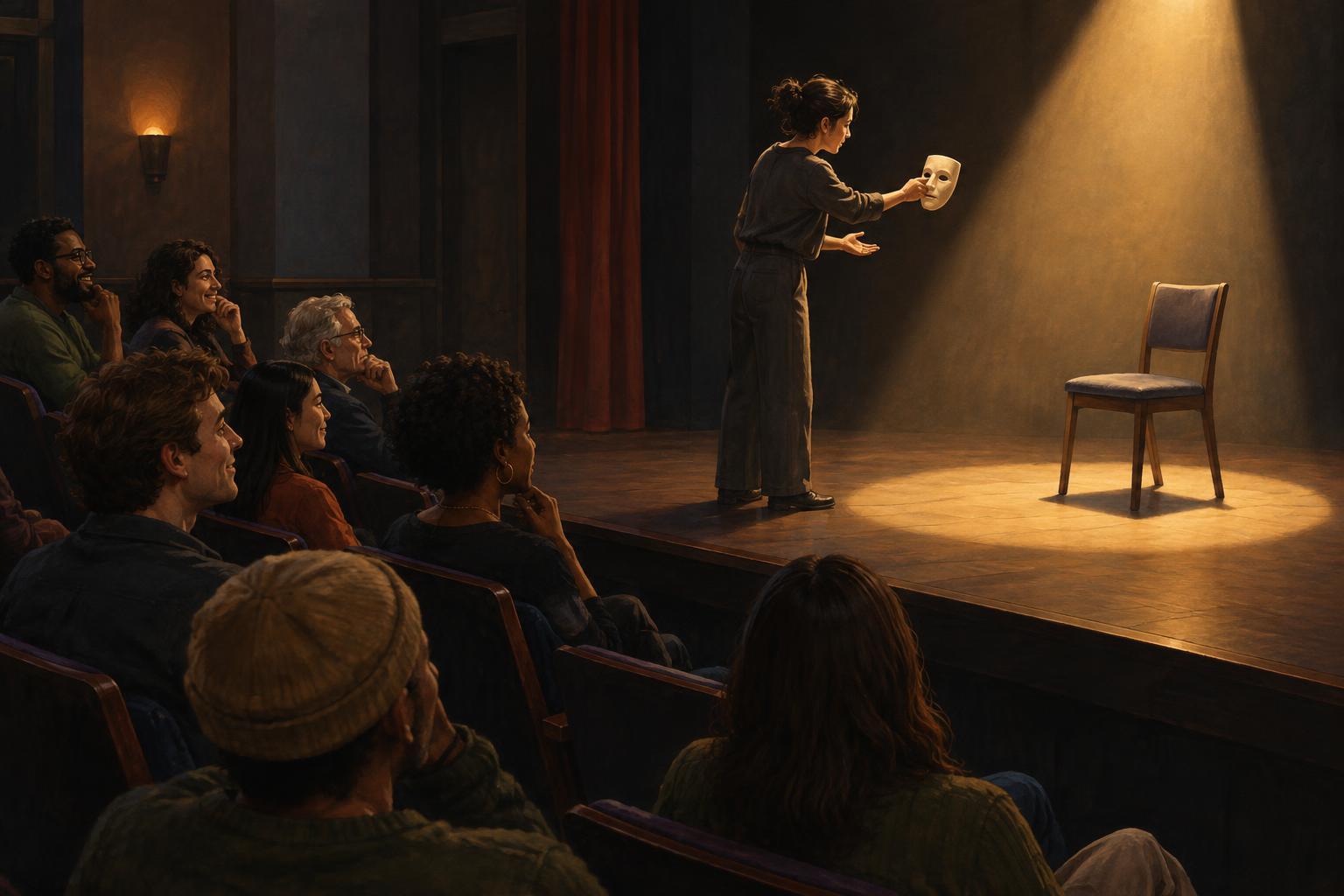
Cultural CriticismSatire is easier to assess when we ask two separate questions: what behavior or belief does it challenge, and whom does it expect to recognize the joke? A practical guide to reading satire beyond whether it made us laugh.
Read article · 4 min↗
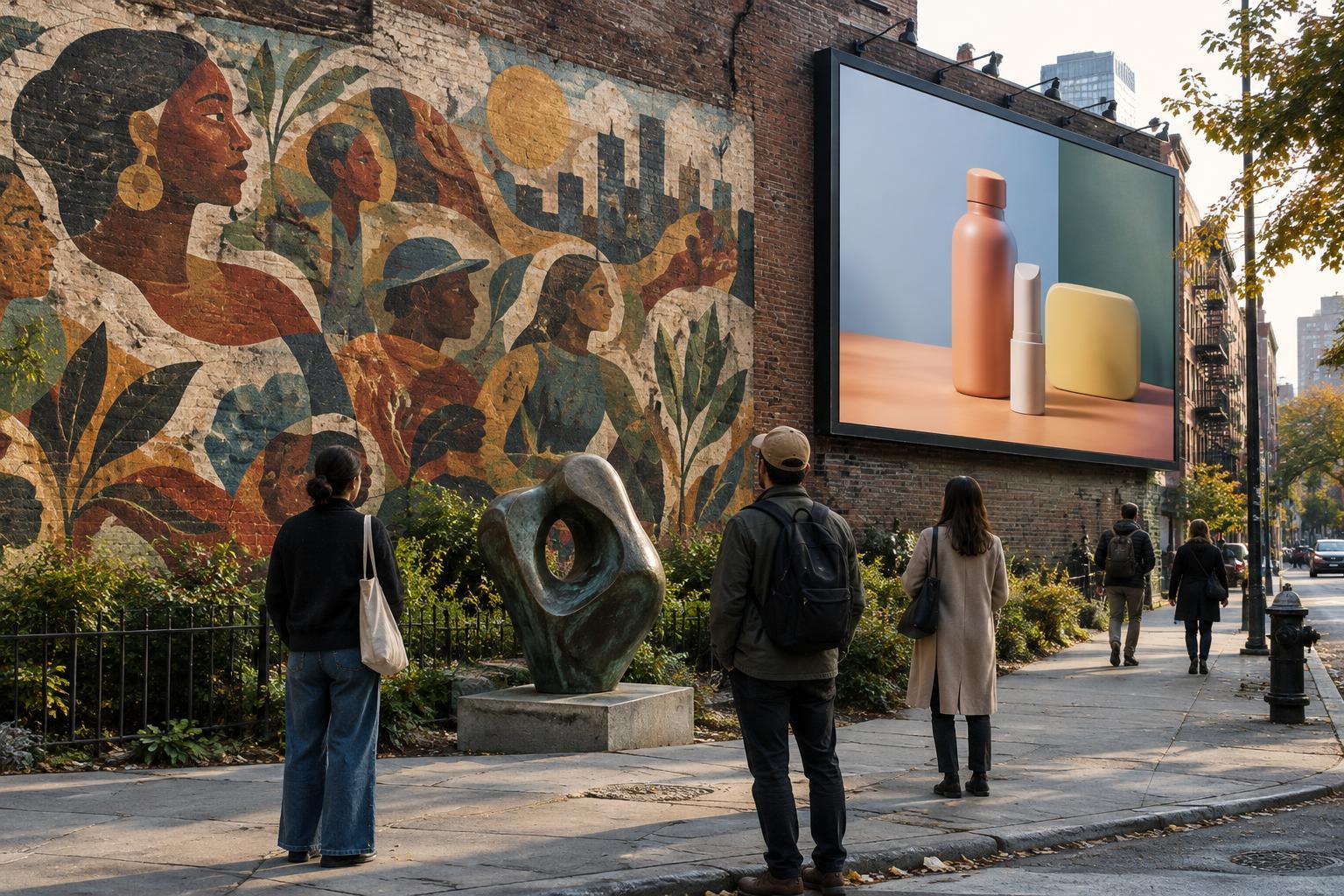
Cultural CriticismMurals, posters, sculptures and billboards all compete for attention on a city street. The difference between public art and advertising is not always obvious, but asking who controls a message, what it asks of us and who gets to answer can make shared space easier to read.
Read article · 4 min↗

Cultural CriticismA neighborhood becomes a brand when its many lives are compressed into a recognizable image. Looking closely at campaign language, photographs and routes can reveal what that image celebrates, what it leaves out and who gets to speak for the place.
Read article · 4 min↗

Cultural CriticismA city contains more stories than any book list or festival program can hold. The choices publishers and festivals make about form, audience and visibility influence which accounts of urban life travel widely—and which remain harder to find.
Read article · 4 min↗

Cultural CriticismA cultural canon is more than a list of admired works. It takes shape through repeated choices about what to publish, teach, preserve, review and revisit. Understanding those choices can make room for a richer account of literary value.
Read article · 4 min↗

Cultural CriticismA screen adaptation does more than shorten a novel. It changes how an audience encounters a story, especially when private thoughts become visible actions, sounds and performances. Comparing the two versions through point of view can reveal what each makes possible.
Read article · 4 min↗

Cultural CriticismA novel, film, exhibition or poem may have urgent things to say, but its meaning is inseparable from the choices that shape it. This guide offers a practical way to review cultural work with attention to form, context, ambiguity and the experience of its audience.
Read article · 4 min↗

Cultural CriticismAuthenticity is a powerful word in cultural criticism, but it can blur several different questions. A critic can examine a work’s language, context and stated sources. They cannot certify a creator’s inner life or decide whether one person speaks for an entire community.
Read article · 4 min↗

Cultural CriticismStories cross borders, languages and communities. The question is not whether writers may draw on cultures beyond their own, but how they handle power, context and the people whose lives inform the work. A practical guide to telling exchange from appropriation.
Read article · 4 min↗

Cultural CriticismA character can reveal much about race and belonging without standing in for everyone who shares an identity. This guide offers a way to read closely, notice social pressures, and resist turning one fictional life into a general rule.
Read article · 4 min↗

Cultural CriticismA city on screen is never just a backdrop. Choices about whose home we enter, whose commute we follow and which spaces appear welcoming can make class visible—or hide it in plain sight. This guide offers a way to read those choices closely.
Read article · 4 min↗

Cultural CriticismA city can set a story in motion, but it can also become shorthand for danger, glamour or reinvention. Here is how to tell the difference between a vivid setting and a familiar urban cliché.
Read article · 4 min↗

Cultural CriticismEvery city story has a point of view, even when it sounds like an account of the whole place. Looking at who gets to speak, who remains in the background and whose memories shape the setting can make urban writing more attentive without asking one story to contain everyone.
Read article · 4 min↗

Cultural CriticismA narrator can express prejudice, justify harm or tell a story in self-serving ways without speaking for its author. But that distinction is a starting point, not a verdict. A careful reading asks how the work frames the narrator’s claims, whose perspectives remain available and what the story invites us to notice.
Read article · 4 min↗

Cultural CriticismA close reading asks how a work makes meaning through its words and form. Cultural context asks what histories and shared assumptions those choices meet. Reading with both methods can deepen an interpretation without treating either the text or its setting as a complete explanation.
Read article · 3 min↗

Cultural CriticismAn interpretive claim does more than announce a theme or deliver a verdict. It explains how a work creates meaning through particular choices. This guide offers a practical way to move from observation to a focused, defensible argument about a novel, film, or exhibition.
Read article · 4 min↗

Cultural CriticismCultural criticism asks how a work of art makes meaning within the world that produced and receives it. This guide offers a practical way to read stories, images and performances with attention to form, history, power and audience.
Read article · 4 min↗