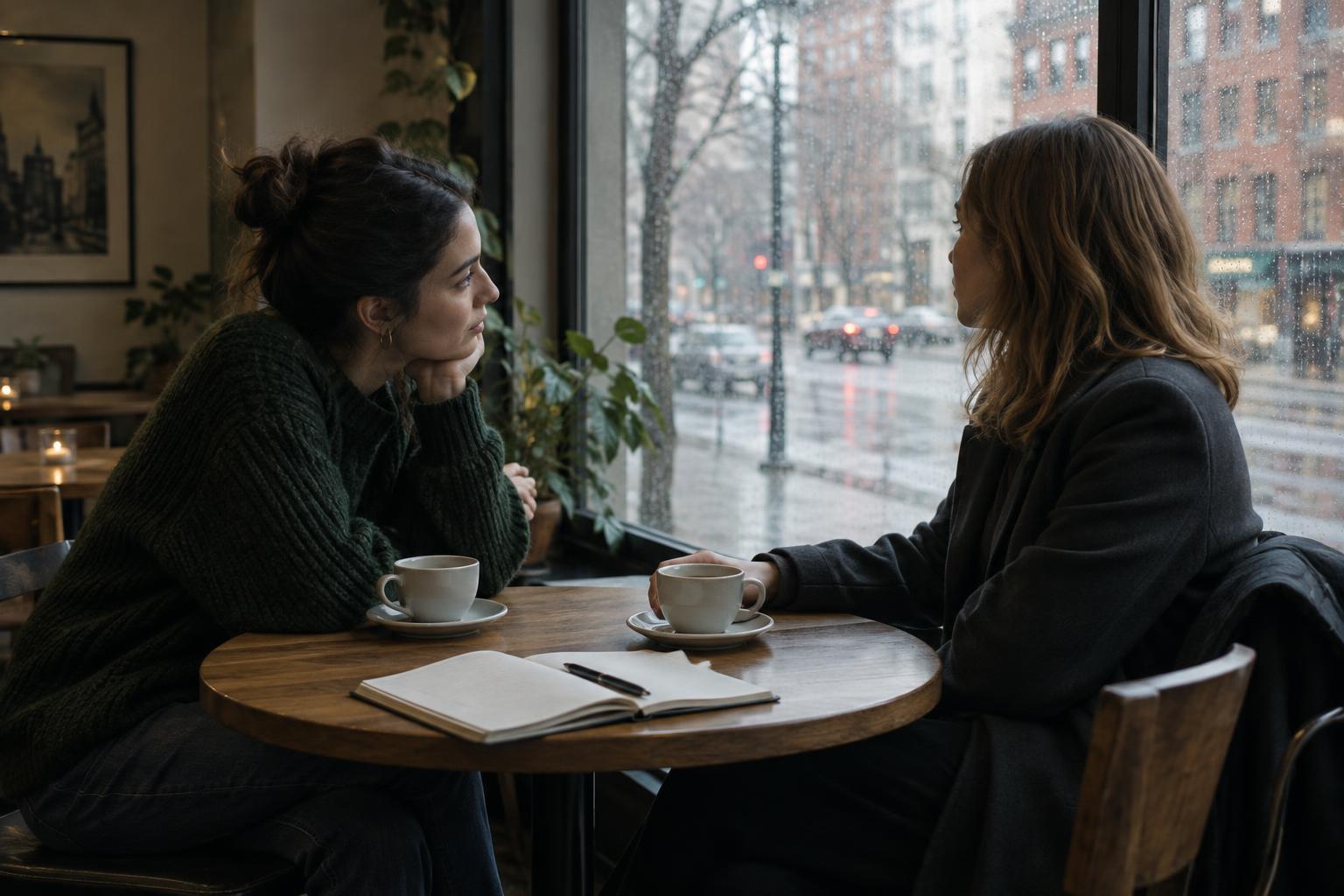
Writing PracticeDialogue can show what characters want, what they avoid and how they relate to one another. Learn to build exchanges that sound convincing, carry tension and leave room for readers to infer meaning.
Read article · 4 min↗
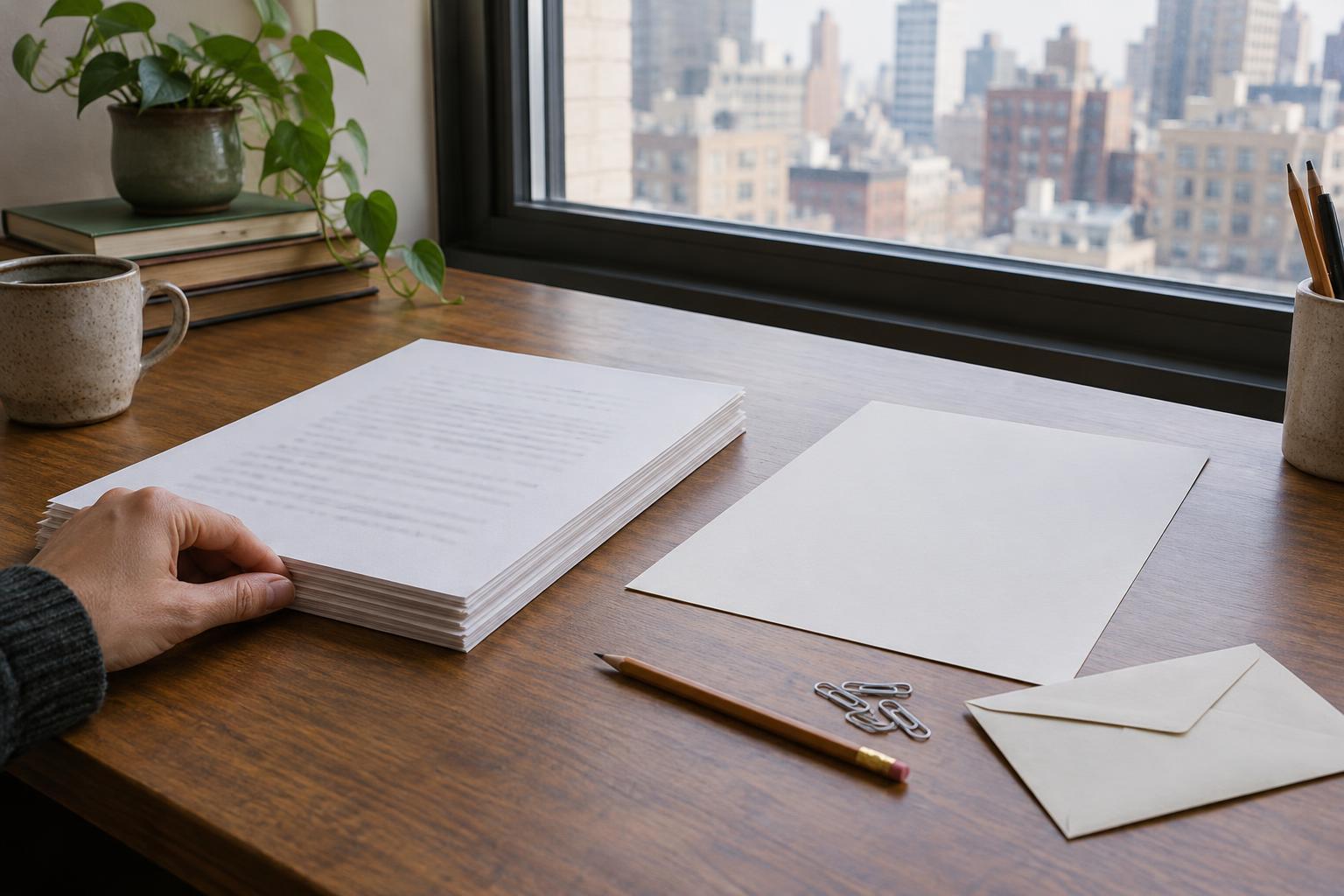
Writing PracticeA practical guide to preparing poetry, short fiction, and literary essays for submission, from reading guidelines and formatting a manuscript to writing a brief cover letter and checking the final package.
Read article · 4 min↗
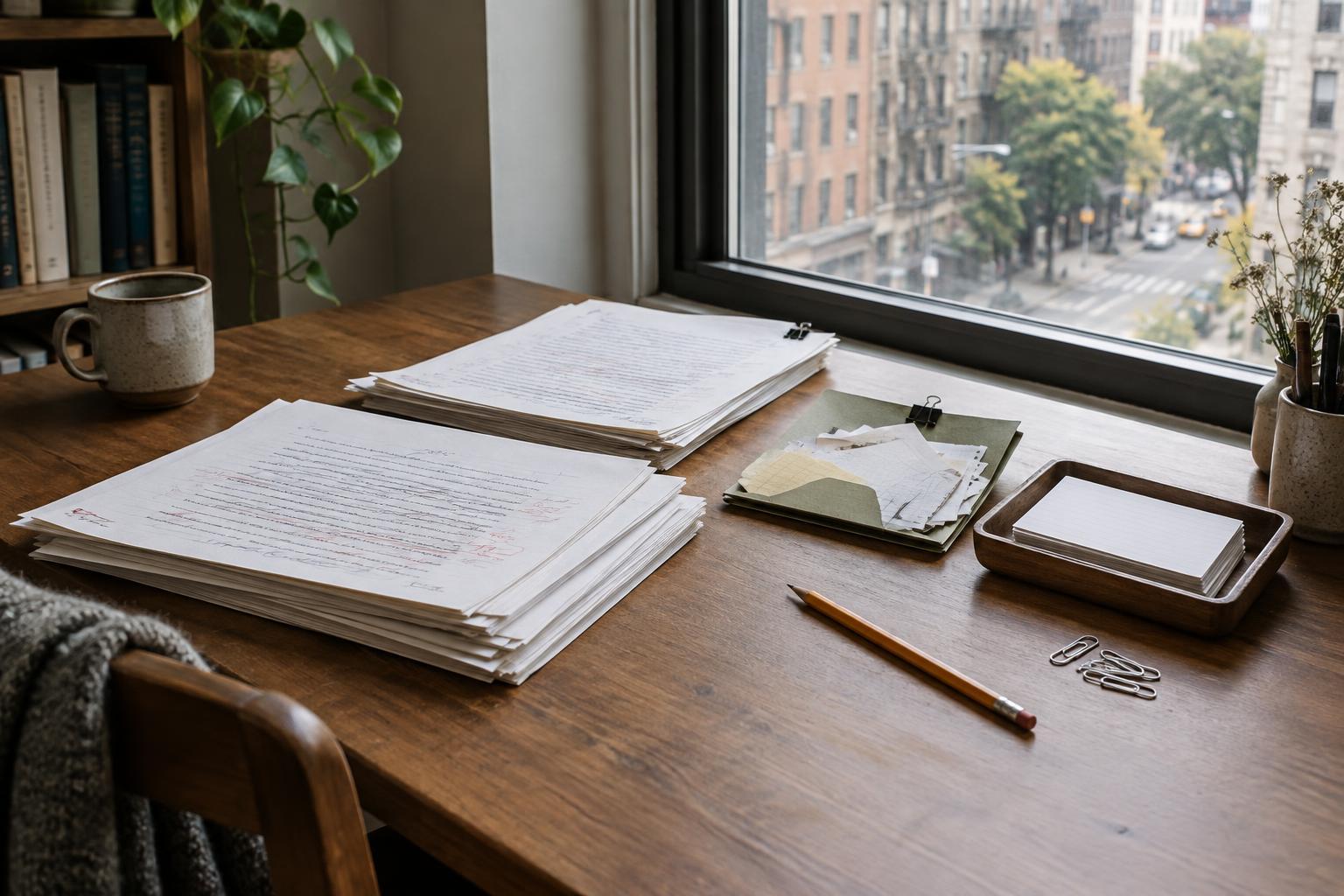
Writing PracticeA simple system for naming drafts, recording changes, and saving promising lines can make revision less mysterious. Learn how to keep track of where a piece has been without letting the record get in the way of writing.
Read article · 4 min↗

Writing PracticeA remembered place can become a scene in a memoir or the starting point for a personal essay. The difference lies less in what happened than in the question the writer wants to pursue. Here is a practical way to choose a frame, find a shape and handle memory with care.
Read article · 4 min↗

Writing PracticeReal people often give a story its texture, but appearing in someone else’s work can carry a cost. This guide offers practical ways to consider consent, disguise identifying details, and make more deliberate choices before publishing.
Read article · 4 min↗

Writing PracticeA literary essay can be personal and interpretive while still getting its facts right. Learn how to identify checkable claims, verify quotations and context, and revise confidently when the evidence is incomplete.
Read article · 4 min↗

Writing PracticeA beta reader can tell you how a draft lands. An editor can help you understand why it lands that way and what to revise. Here’s how to choose the right kind of feedback for your manuscript and make good use of it.
Read article · 4 min↗

Writing PracticeWorkshop comments can reveal where a piece loses its reader, but they do not all point toward the right revision. Learn how to separate a reader’s experience from their proposed fix, identify useful patterns, and make changes that serve the work you want to write.
Read article · 4 min↗

Writing PracticeGood workshop feedback helps a writer see what is happening on the page and decide what to try next. Learn how to respond with specific observations, thoughtful questions and respect for the writer’s intentions.
Read article · 4 min↗

Writing PracticeReading a draft aloud can reveal where a sentence stumbles, a scene loses its rhythm, or a character’s voice begins to sound like everyone else’s. Here is a practical way to listen, mark what you notice, and turn those discoveries into useful revisions.
Read article · 4 min↗
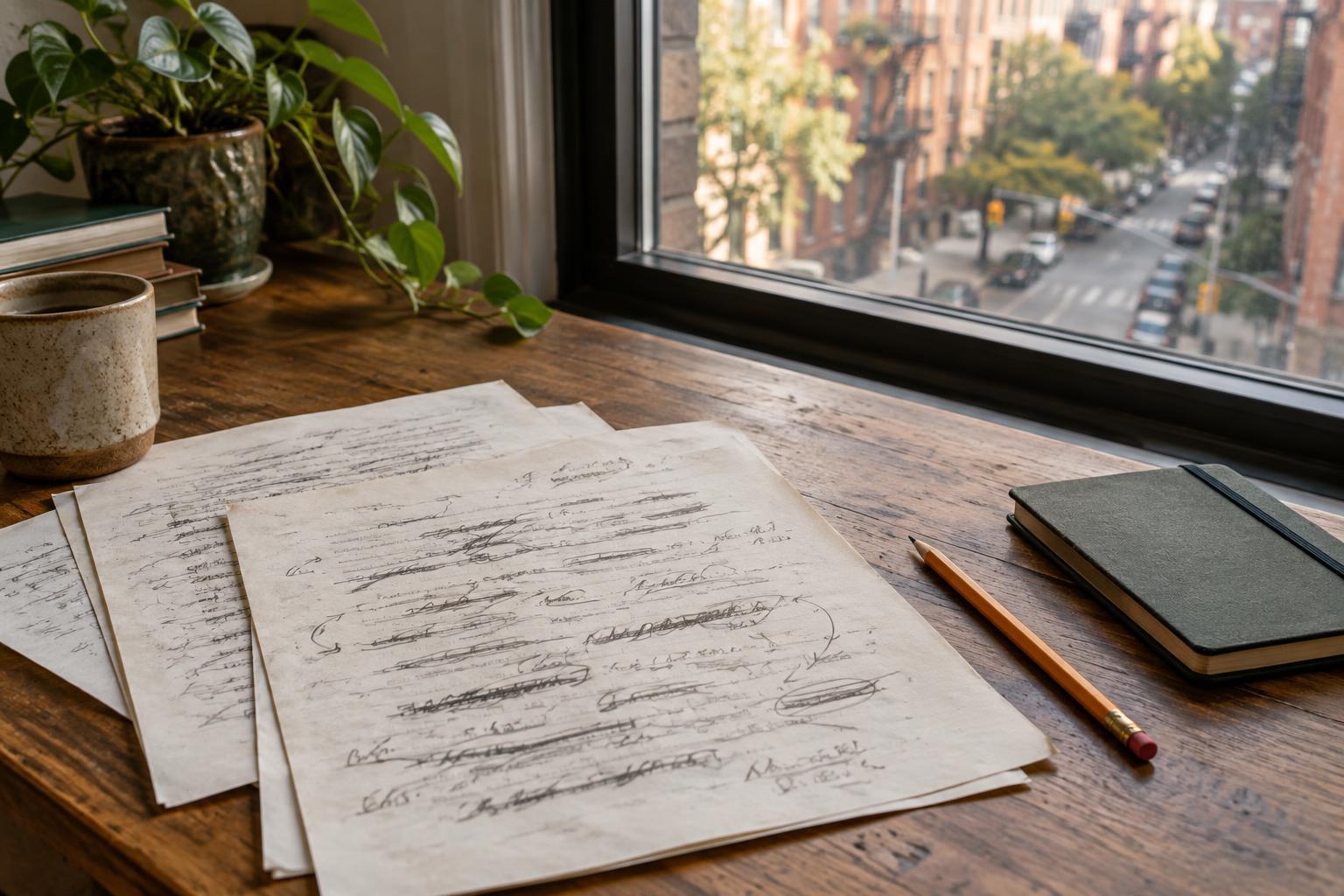
Writing PracticeClear prose does not have to sound neutral. Learn how to find the point of a sentence, untangle its structure, and keep the rhythm, diction, and surprises that make it yours.
Read article · 4 min↗

Writing PracticeA story does not have to show every bus ride, meal or passing hour. Learn how to move between scenes while preserving clarity, momentum and the emotional weight of what happens in between.
Read article · 4 min↗
Writing PracticeA paragraph break does more than make prose easier to read. It can quicken a scene, hold a moment in place, redirect attention or give a sentence room to resonate. Learn how to use breaks deliberately without turning every line into a dramatic reveal.
Read article · 4 min↗

Writing PracticeSensory writing does not need a checklist of sight, sound, smell, taste and touch. Learn how to choose details that reveal a character’s attention, shape a scene and make a place feel lived in.
Read article · 4 min↗
Writing PracticeA passing remark, a familiar street or a small change in routine can become a useful writing note. The key is to record what caught your attention, then return to it with questions rather than expecting a finished story on the spot.
Read article · 4 min↗
Writing PracticeA promising idea can become difficult to finish when it has no boundaries. Learn how to choose a clear unit of work, limit what the first draft must do, and leave room for the project to grow later.
Read article · 4 min↗

Writing PracticeSome writers plan a route before drafting; others find the story by moving through it. Learn what each approach offers, when it can get in the way, and how to build a flexible process around the needs of your project.
Read article · 4 min↗

Writing PracticeDrafting asks what might happen next; revising asks what the piece needs. Both matter, but switching between them too often can make a writer lose momentum. Here is a practical way to give each kind of work its own space without treating any method as a rigid rule.
Read article · 4 min↗

Writing PracticeA blank page does not always call for the same remedy. Freewriting can help you discover what is on your mind, while a prompt can give you a starting point when choice feels overwhelming. Here is how to use both approaches without mistaking a warm-up for a finished piece.
Read article · 4 min↗

Writing PracticeA writer’s notebook works best when it is easy to carry, forgiving to fill, and useful to revisit. Here are practical ways to collect observations, develop ideas, and turn scattered notes into writing.
Read article · 4 min↗

Writing PracticeA writing routine does not have to begin with a daily word count or a perfect hour of quiet. Start with a manageable appointment, make it easy to return after interruptions, and measure progress by the work you can keep doing.
Read article · 3 min↗