
Short FictionA dinner, meeting, or crowded bus can give a short story energy, but too many voices can blur its central conflict. Learn how to give a group scene a clear purpose, keep its participants distinct, and use shifting attention to reveal what matters.
Read article · 4 min↗

Short FictionA character does not have to appear in a scene to shape it. Learn how to use absence to create pressure, reveal relationships and give a short story a meaningful change.
Read article · 4 min↗

Short FictionA first reading lets a short story make its impression. A second reading reveals how that impression was made. Here is a practical way to notice the choices behind a story’s voice, structure, setting and ending without turning every detail into a puzzle.
Read article · 4 min↗

Short FictionA character misses a train, folds a letter, or leaves a second cup on the table. When the draft also tells readers exactly what to feel about that moment, the scene can lose force. Here is how to spot redundant emotional explanation and decide when naming a feeling still helps.
Read article · 4 min↗

Short FictionLinked stories can create the breadth and resonance of a novel without following one continuous plot. Here is how recurring places, characters and questions turn separate stories into a larger work.
Read article · 4 min↗

Short FictionA short story needs enough context for readers to understand what matters, but not every piece of background belongs on the page. Learn how to identify essential information, place it where a reader needs it, and let action, dialogue and setting carry some of the load.
Read article · 3 min↗

Short FictionA short story can contain striking scenes and still feel as though its events happen by accident. To strengthen causality, trace what each character wants, the choice they make, and how that choice changes the next scene. This guide offers a practical way to test and revise the chain without making the plot predictable.
Read article · 4 min↗

Short FictionA short story does not need a sprawling plot. Learn how to build one around a meaningful choice, give that choice pressure, and let its consequences reveal character.
Read article · 4 min↗

Short FictionA short story can unfold in one sustained encounter or move across several moments. The better choice depends on where the change happens, what the reader needs to know, and how much pressure the story can hold without losing focus.
Read article · 4 min↗

Short FictionAn open ending leaves a meaningful question in the reader’s hands; a twist ending changes what earlier details mean. Both can make a short story linger, but they depend on different kinds of preparation and trust.
Read article · 4 min↗

Short FictionA key, a receipt or a chipped mug can do more than furnish a scene. In short fiction, an ordinary object becomes a motif when its repeated appearances gather new meaning. Here is how to choose, place and revise objects so they deepen a story without turning into obvious symbols.
Read article · 4 min↗

Short FictionSubtext is what a story lets us understand without stating it outright. Learn how to notice the gap between a character’s words and actions, test an interpretation against the text, and leave room for more than one plausible reading.
Read article · 4 min↗
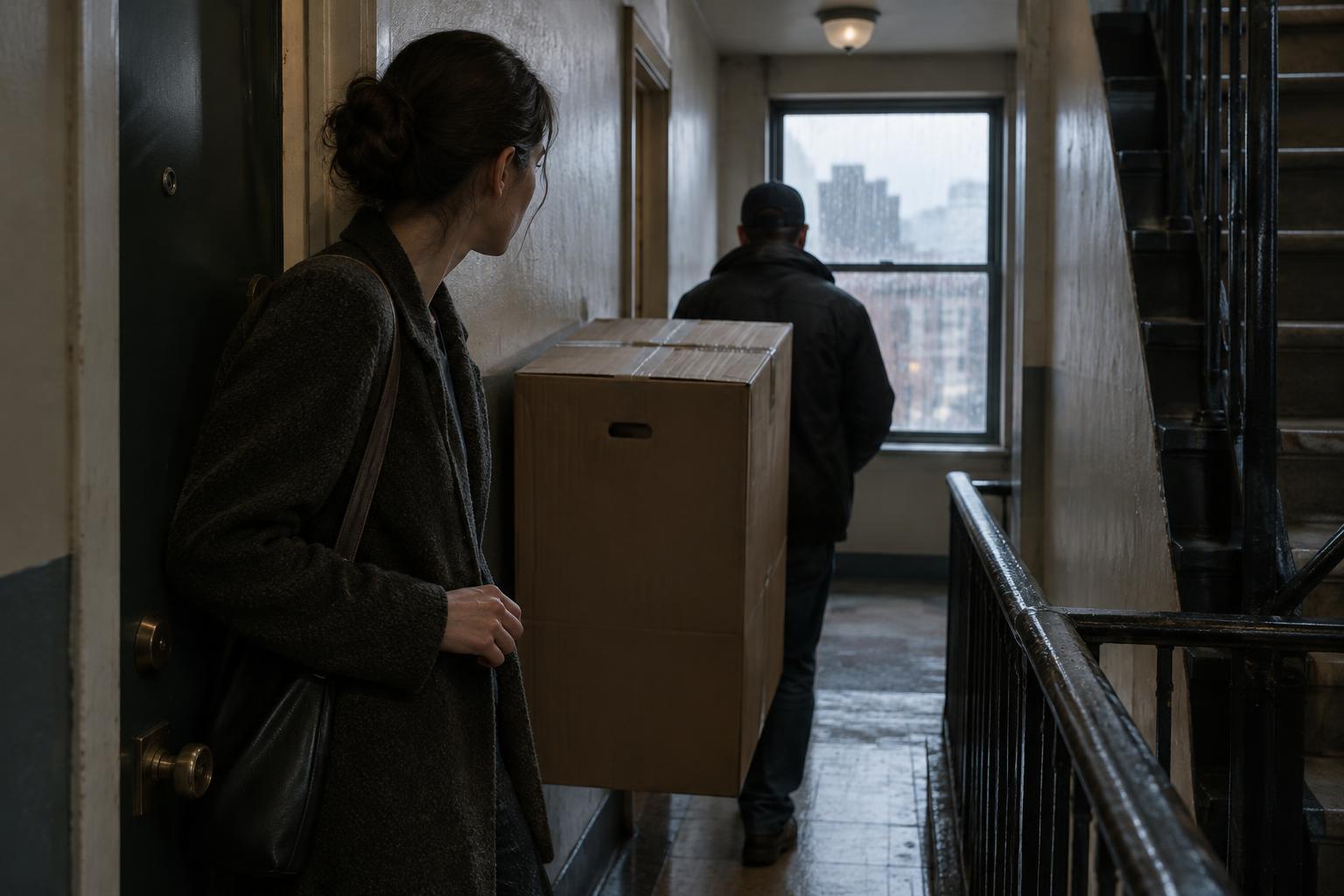
Short FictionIn a short story, setting can do more than establish a scene. Streets, rooms, weather and shared spaces can limit a character’s options, expose competing needs and make a small decision matter. Here are practical ways to turn place into narrative pressure.
Read article · 4 min↗

Short FictionIn a short story, conversation can reveal a character’s desire without naming it. Learn how spoken words, evasions, and misunderstandings create tension while keeping a scene clear.
Read article · 4 min↗

Short FictionA short story does not have to tell its events in the order they happened. Learn how to follow shifts in time, distinguish what happened from when it is revealed, and make room for uncertainty without losing the story’s emotional thread.
Read article · 4 min↗

Short FictionFirst person and third person limited can both keep a short story close to one character, but they give readers different kinds of access. Learn how each viewpoint shapes voice, distance, uncertainty and the meaning of a scene.
Read article · 4 min↗

Short FictionA short story cannot give every moment equal space. Learn how scene and summary work together to shape pace, reveal character and make a turning point matter.
Read article · 4 min↗

Short FictionA story can open with a missed train, an interrupted conversation or a choice already underway. The key is to give readers enough to follow the action while letting deeper questions remain unanswered.
Read article · 4 min↗
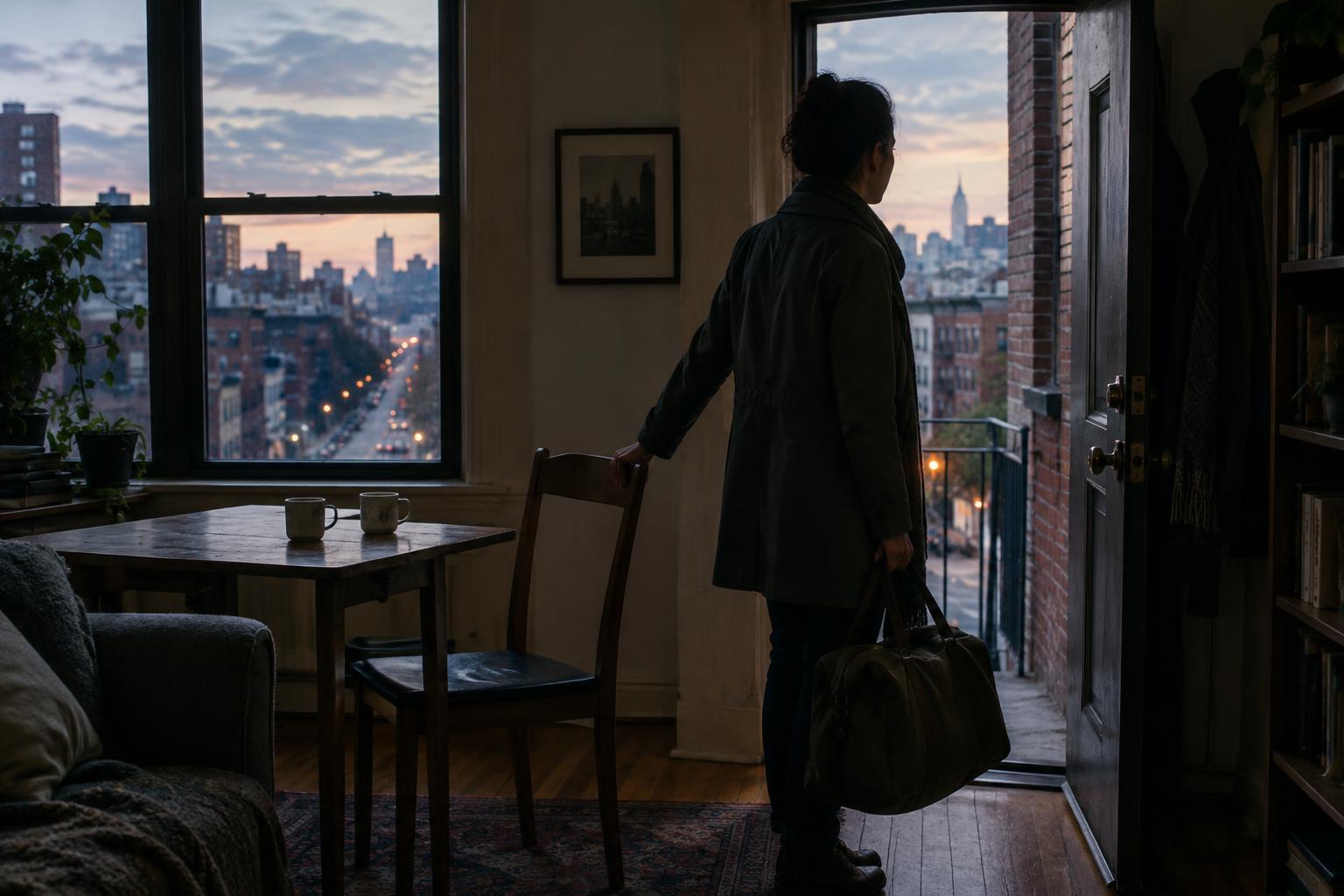
Short FictionA character’s stated goal and deeper need do not always point in the same direction. Learn how to read that gap through choices, setting, dialogue and endings—without reducing a complex character to a simple lesson.
Read article · 4 min↗

Short FictionA short story’s turning point is the moment that changes what its central conflict means for the character. Learn how to spot it in a draft, distinguish it from a dramatic event, and revise toward a choice or realization that has consequences.
Read article · 4 min↗

Short FictionFlash fiction and short stories can draw on the same characters, places and questions, but their different lengths invite different choices. Here is a practical guide to deciding what belongs on the page, from the opening line to the ending.
Read article · 4 min↗

Short FictionA short story is more than a novel with fewer pages. Its limited space gives each scene, detail, and decision a particular weight. Explore how scope, compression, and change shape a satisfying story.
Read article · 4 min↗