Make place affect what a character can do
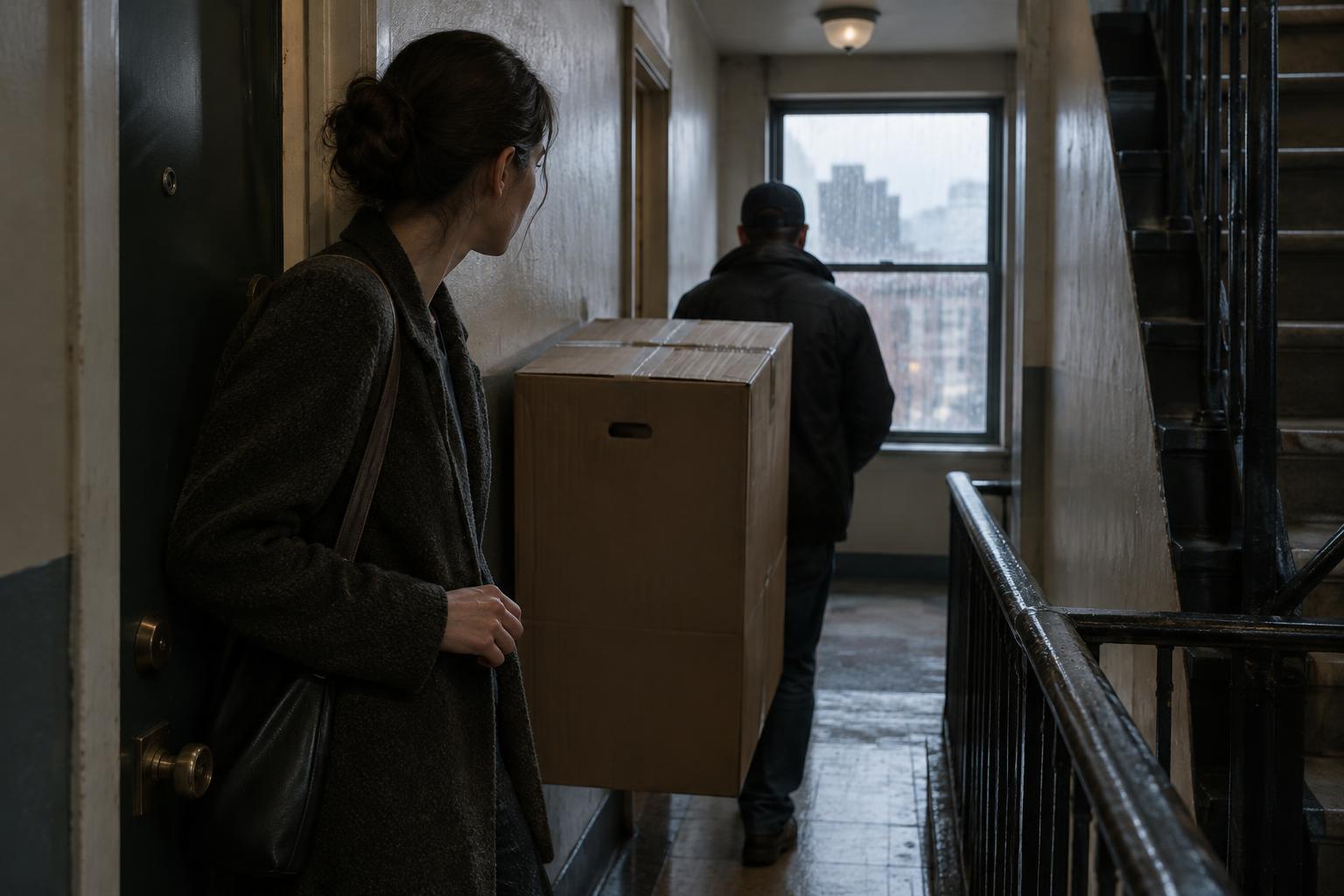
A setting creates pressure when it changes a character’s choices. A narrow hallway matters if two people who want to avoid each other must pass through it. A crowded bus matters if a private conversation can be overheard. These places do not need to be unusual. Their power comes from the gap between what a character wants and what the space allows.
When planning a story, give the main character a specific immediate aim: leave without being noticed, ask for help, keep a promise or hide an object. Then ask how the setting complicates that aim. Is there a locked door, a shared table, a long walk between destinations or nowhere to speak alone? A physical obstacle need not become a dramatic event. It can simply force a pause long enough for another character to ask a question.
Let social rules belong to the setting
Pressure is not only architectural. Places carry expectations about who may speak, linger, interrupt or leave. At a family dinner, a character may know every chair and still feel trapped by the order in which people are expected to talk. At a public counter, a queue may make a difficult request feel urgent. In a building lobby, a resident and a visitor may read the same space differently.
Show these rules through action rather than explaining them all at once. Someone lowers their voice when a neighbor enters. Someone waits to be invited inside despite having been there many times. Someone takes a longer route to avoid a familiar face. Such choices reveal how a place works for the character. They also give other characters opportunities to notice, misunderstand or challenge the behavior.
Use a small boundary to sharpen conflict
Short fiction often benefits from a limited area: one apartment, a block, a station platform or a room above a shop. A boundary reduces the number of easy exits. If two siblings have ten minutes to clear out a room before handing over the keys, the room can press on their conversation. Every object they move brings them closer to leaving, while every object they keep requires a decision.
Boundaries can be temporary as well as physical. A shop is about to close; a train is approaching; a guest is expected soon. These limits help pace a scene because the reader understands why a choice cannot be postponed forever. Use them with restraint. If every door jams and every clock runs out, the pressure may feel arranged. One clear constraint, allowed to affect several actions, is often enough.
Choose details that change meaning
Sensory details earn their place when they influence attention or behavior. A flickering light might make it hard for a character to read a note. Music through a wall might conceal a confession or make its words difficult to hear. The smell of fresh paint might draw attention to a room that no longer resembles the character’s memory of it. Each detail does work beyond making the scene vivid.
A detail can also shift meaning as the story moves. Early on, a bench may offer a place to wait unseen. Later, when the person the character hoped to avoid sits beside them, the same bench becomes a point of contact. Reusing a feature of the setting lets a brief story gain depth without adding another location. The place stays recognizable, but the character’s relationship to it changes.
Revise for cause and consequence
During revision, look at each description of place and ask what it causes. Does it delay an action, invite a memory, expose a difference between characters or make a choice visible? Description can provide atmosphere, but if a passage stops the story for too long, try placing its details where a character must respond to them. Instead of listing everything in a room on arrival, reveal what the character sees while searching for a missing coat.
Finally, test whether the setting could be swapped for any other place without changing the scene. If it could, identify one feature that matters to this character at this moment. It might be the distance to an exit or the knowledge that someone nearby is listening. Setting creates the strongest pressure when it does not decide the ending for the character. It makes the next choice harder, clearer and more revealing.