Start with a question, not an inventory
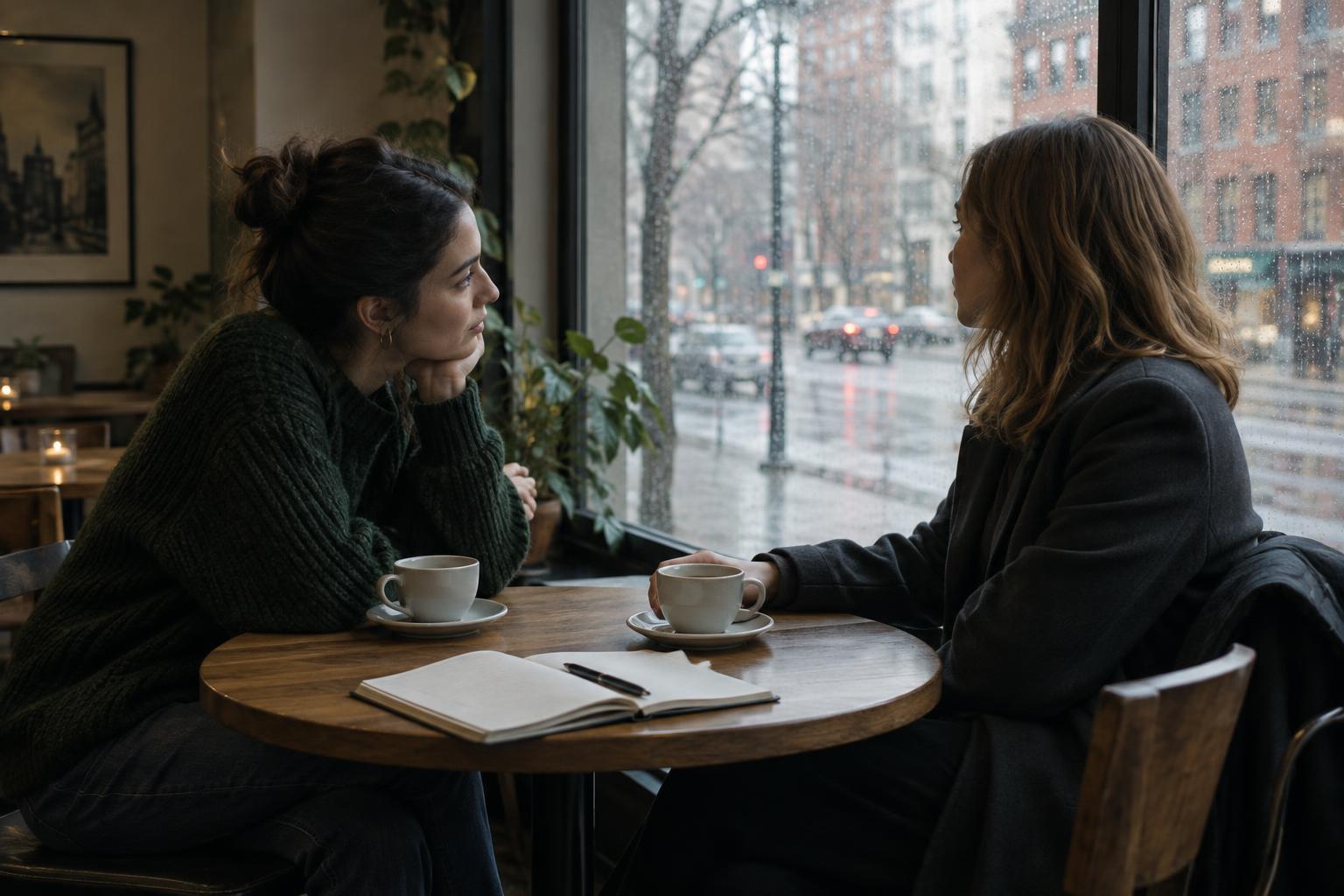
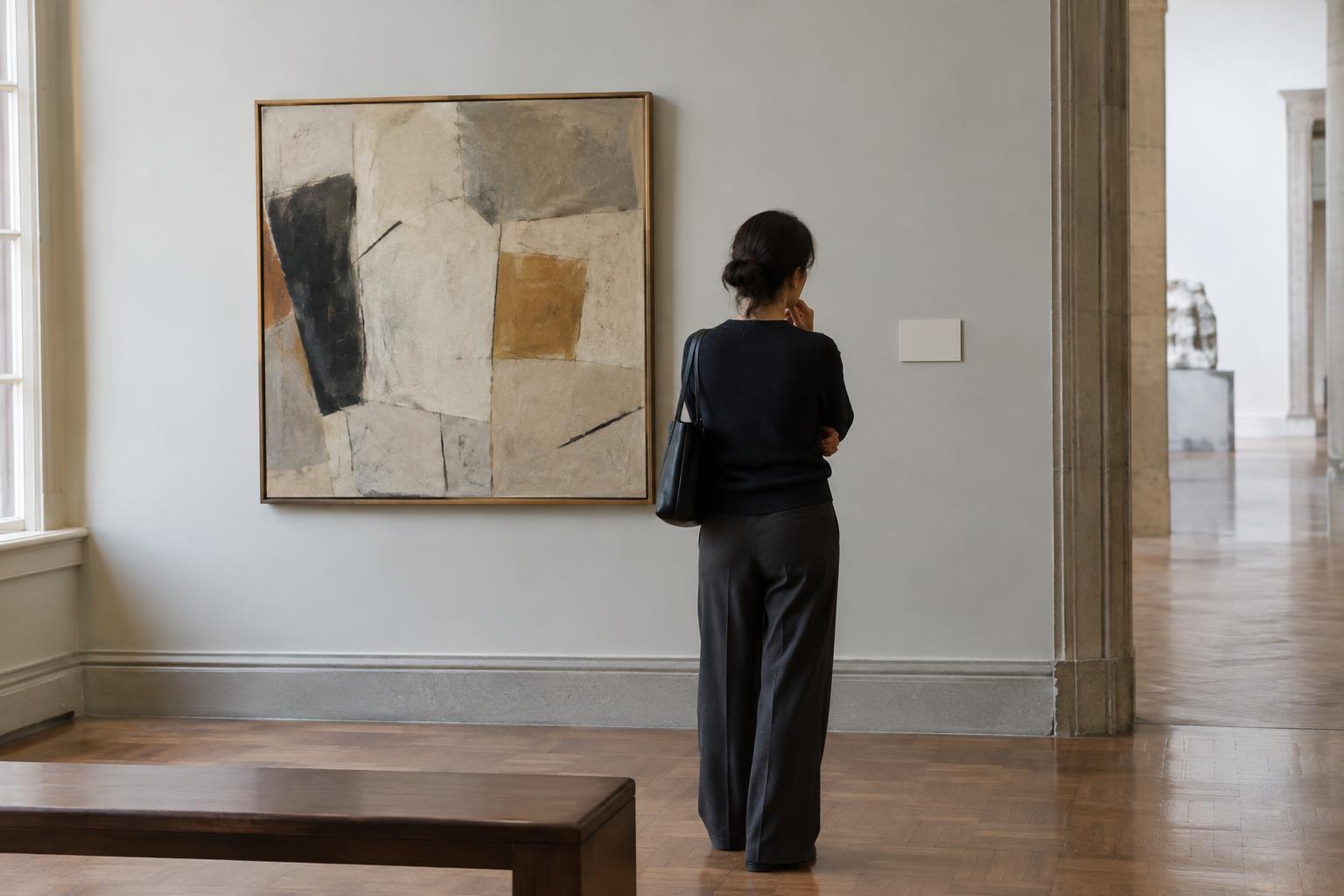
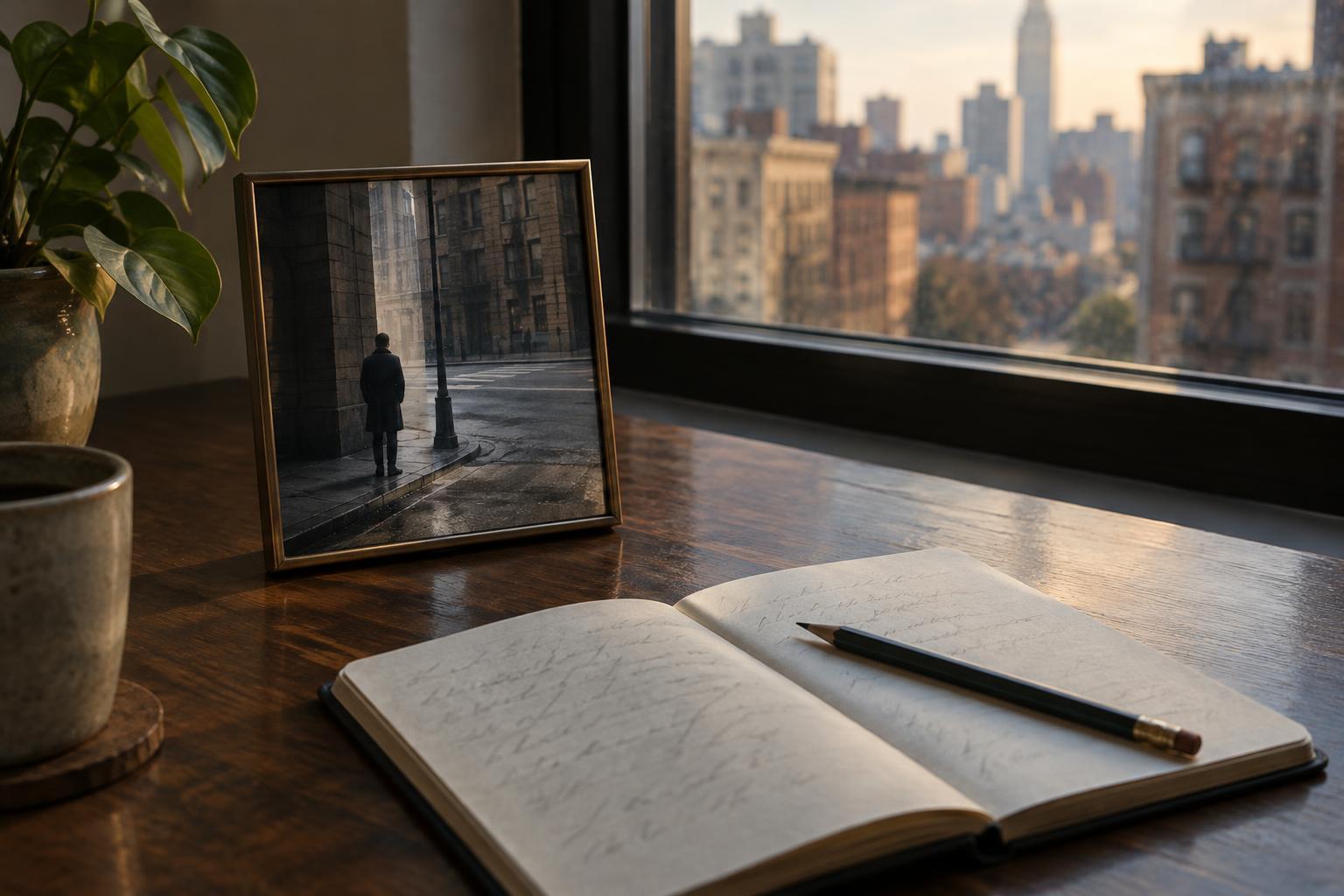
An ekphrastic poem responds to a work of visual art. A photograph can be a useful starting point because it offers concrete details while withholding much of the story around them. The challenge is to let the image begin the poem without making the poem a caption. Before drafting, look closely and write down what you can actually see: a hand near a doorway, a reflection on a window, a face turned away. Then write a separate list of questions. Who is outside the frame? What might have happened just before this moment? Why does one detail hold your attention?
Choose one question that gives the poem room to move. You do not have to answer it. A question about a reflection, for instance, might lead to a poem about mistaken recognition rather than a description of glass. If you want to explore how illumination directs attention before choosing an image, browse Lighting · Coda Photo Journal for more visual prompts. Treat anything you find as material for your own response, not as a story whose meaning you must reproduce.
Decide who is speaking and what they can know
A poem can speak as the viewer, address someone pictured, or invent a voice for an object near the edge of the frame. Each choice changes the poem’s relationship to the image. A viewer might admit uncertainty: “I cannot tell whether you are leaving.” A direct address can create intimacy, but it can also imply knowledge the speaker does not have. Before writing in the voice of a real person shown in a photograph, consider whether the poem can make its imagined perspective clear rather than presenting invention as fact.
Try drafting four lines from two different positions. In one version, let the speaker stand outside the scene and notice only what is visible. In the other, let the speaker recall a place or feeling the image brings to mind. Compare the results. The stronger version may not be the one closest to the picture; it may be the one that makes a more honest account of the speaker’s distance from it. For further browsing on how a face, pose or gaze can organize a frame, visit Portrait Photography · Coda Photo Journal, then ask what your poem might reveal that a frame cannot.
Use the frame as a boundary to work against
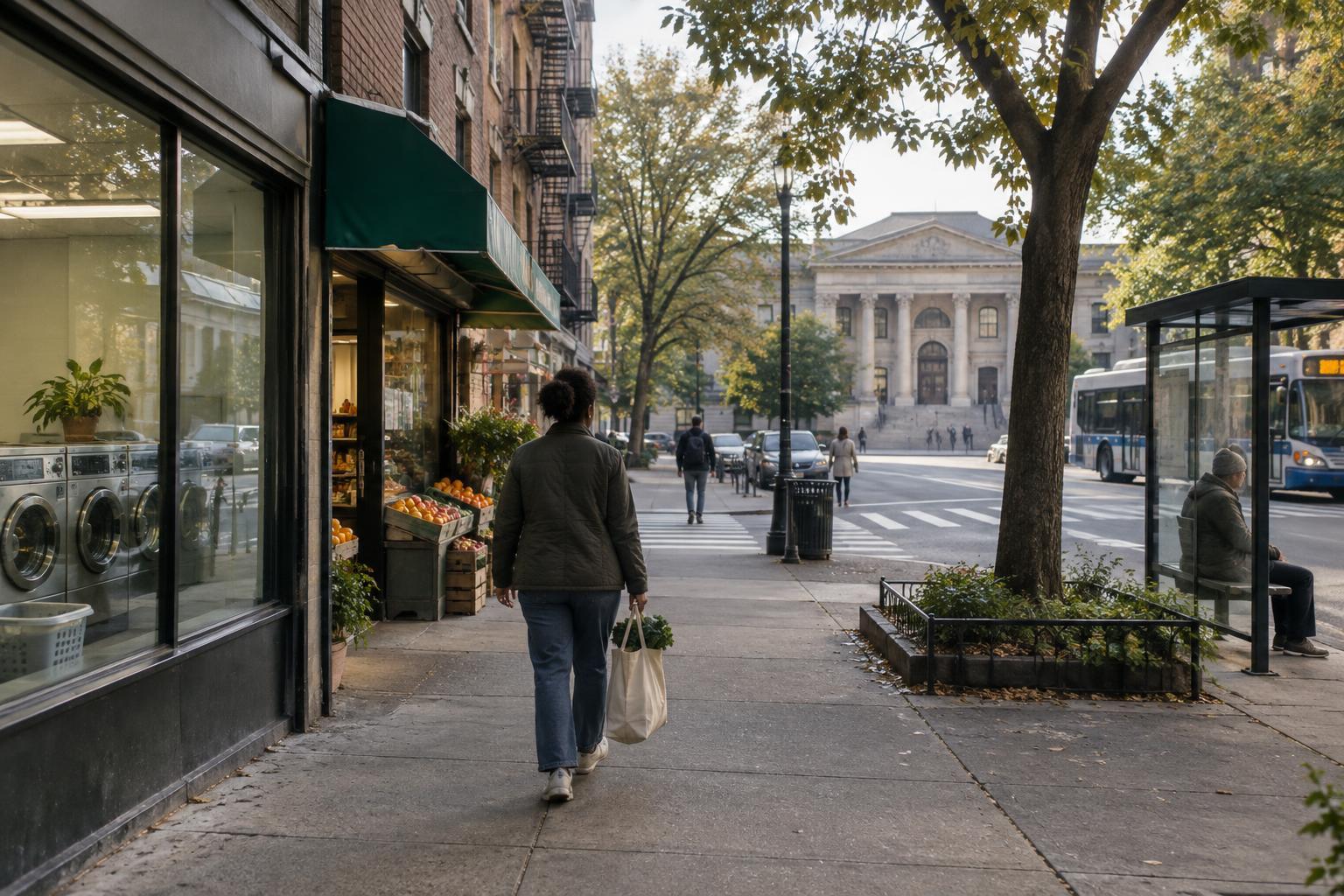
Images have edges. Poems can draw attention to those edges by moving between what is present and what remains unknown. Suppose a photograph shows one person waiting beside a bus shelter. The visible shelter may suggest an unseen route, but it cannot tell you where that person is going. A poem could stay with that gap: the speaker might name destinations they once imagined for themselves, then return to the figure who offers no answer. The image becomes a way to explore expectation without assigning a biography to its subject.
This approach is particularly useful when writing about a place. A picture of a street corner can suggest time through faded paint, a new sign or an empty lot, yet the poem need not claim to know the corner’s history. It can trace the speaker’s own memory of similar corners, or ask what changes when a familiar place is seen from an unfamiliar angle. Keep the distinction between observation, memory and invention visible in the language. Words such as “perhaps” are not a weakness when uncertainty is part of the poem’s subject.
Revise until the poem can stand apart
After drafting, set the image aside and read the poem without it. Where does the poem offer movement, tension or surprise? Where does it depend on a reader seeing a detail you have not supplied? You may need a few precise visual anchors, but you rarely need every object in the frame. Cut details that merely prove you looked carefully. Keep details that change the reader’s understanding: a patch of light that makes a gesture ambiguous, for example, or an empty chair that alters the mood of a crowded room.
Finally, check whether the ending does more than explain the image. An ending might return to an earlier detail with a different emotional weight, shift from looking to remembering, or leave a question deliberately open. If you could replace the final lines with “this picture is about loneliness” without losing anything, try another turn. The goal is not to solve the artwork. It is to make a poem whose language, choices and uncertainties give readers somewhere new to look.