Two ways to handle story time
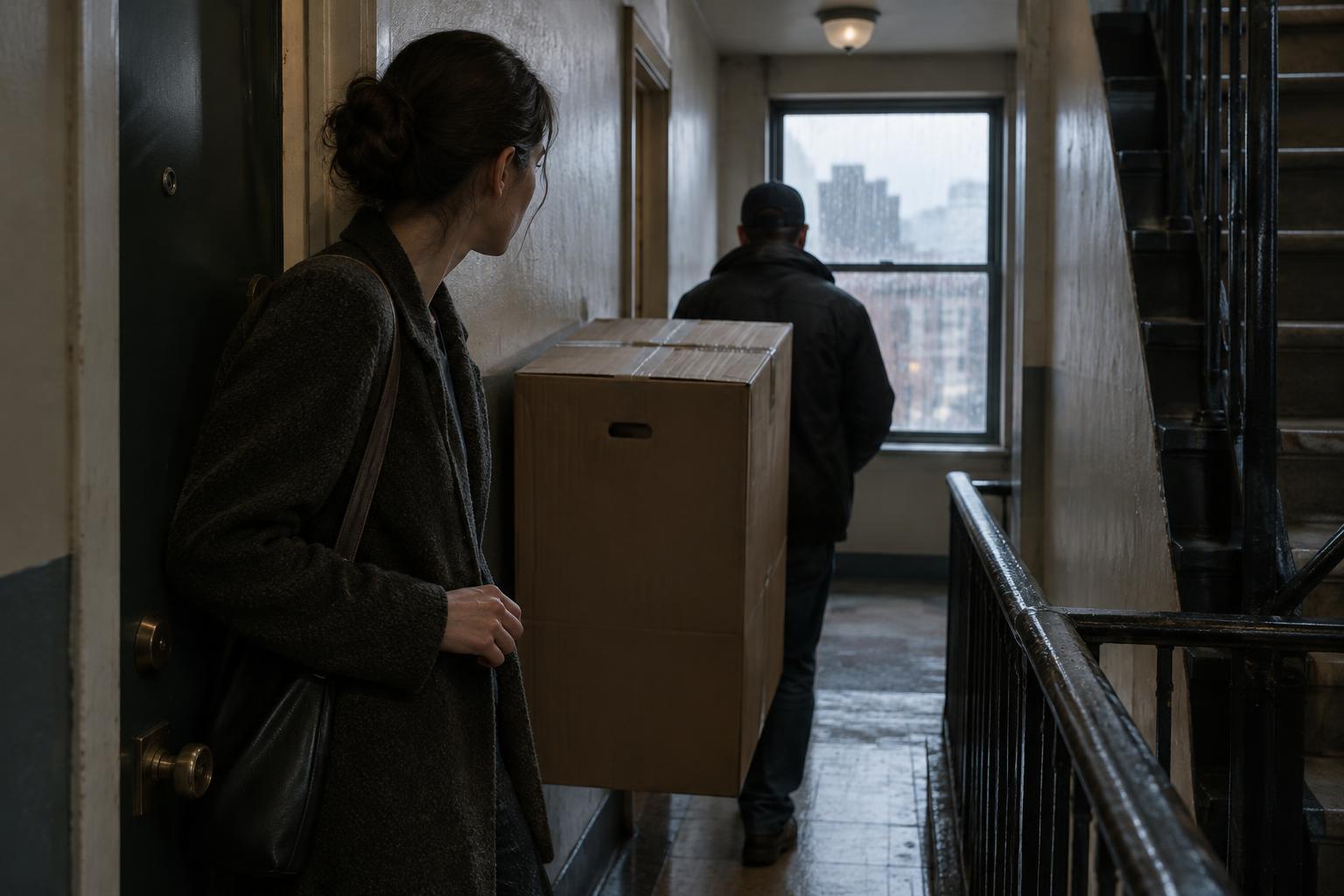
Scene lets readers spend time inside an event. A character waits outside an apartment door, hears someone moving on the other side and decides whether to knock again. The narration might include action, dialogue and details the character notices. Summary covers a wider stretch of time in fewer words: For three weeks, she took the long way home to avoid that building. Both methods can carry important information, but they give readers different experiences of it.
In a short story, the choice matters because space is limited. If every bus ride, conversation and meal unfolds at length, the central change can get buried. If every event is compressed, readers may understand what happened without feeling its pressure. The goal is not to keep a story in scene at all times. It is to decide which moments need to be lived through and which need only to be understood.
Use scene where a choice becomes difficult
A scene earns its space when the outcome is uncertain or a character’s response reveals something that a brief account would miss. Imagine a tenant meeting a former neighbor at a corner shop after years away. A summary could tell us they spoke awkwardly. A scene could let the neighbor use an old nickname, then pause when the tenant does not answer. The exchange makes their shared history felt without requiring a full explanation of it.
Scenes are useful for turns: a decision, a refusal, a discovery or a small action that changes how the reader understands earlier events. They do not have to be dramatic. Someone pocketing a key instead of returning it may carry more weight than an argument, provided the story has made the key matter. When drafting, ask what readers need to witness. If the precise words, gestures or order of actions affect the meaning, the moment probably deserves a scene.
Use summary to give time shape
Summary is more than a shortcut between vivid passages. It can show repetition, duration and gradual change. “Each winter, the market closed a little earlier” gives a different sense of a neighborhood than a single evening at the market could. Summary can also establish a routine so that a later break from it stands out. After readers learn that a character calls home every Sunday, one unanswered Sunday call becomes charged with possibility.
Good summary is selective. Instead of listing everything that happened during a year, choose the pattern or change the reader needs to carry into the next scene. A sentence about a friendship thinning across several moves can make a reunion understandable without recounting every missed visit. Summary can also hold a character’s interpretation of events. “By spring, he had convinced himself the invitation was a mistake” covers time while preparing us for how he will behave when the invitation comes up again.
Make the shift between them feel natural
Many stories move from broad time into a specific moment. A paragraph might describe months of work on a night shift, then settle on the evening a familiar passenger fails to appear. The summary gives the absence a pattern to interrupt; the scene gives that interruption room to unfold. Movement in the other direction can be just as useful. After a tense conversation, a few sentences of summary may show how its consequences spread through ordinary days.
Transitions work best when the reader can tell what has changed: the time, the focus or the level of attention. Clear phrases such as “For the next month” or “On the last Friday before she left” can do this work without calling attention to themselves. You can also bridge a shift with a recurring detail. A bus stop seen in a close scene might return in summary as a place the character passes every morning, now looking away.
Revise for emphasis, not for a fixed ratio
To revise a draft, mark the passages that unfold moment by moment and those that cover time quickly. Then consider whether the amount of space each event receives matches its importance. A long scene may be beautifully written yet repeat what readers already know. A crucial decision may be hidden in a sentence that moves past it too fast. Try expanding one compressed moment, or condensing a scene to its lasting effect, and notice what changes.
Pay particular attention to the opening and ending. An opening scene can offer immediate contact with a character, but a concise summary may give readers the context that makes a later scene legible. An ending need not slow down simply because it is an ending; sometimes a brief account of what followed leaves the decisive moment resonating. Scene and summary are not opposing rules. They are ways of directing attention, helping a short story decide what to hold close and what to let pass.