Length changes the job of each detail
Flash fiction is often described as a very short story, but that description can make it sound like a conventional story with pieces removed. A more useful distinction is that flash asks each detail to do several jobs at once. A bus stop can establish a setting, reveal a character’s routine and become the place where that routine breaks. A longer short story has more room to give those moments separate attention.
There is no universal word count that draws a clean border between the forms. For a writer, the important question is how much narrative space an idea needs. If its force lies in one encounter, image or reversal, flash may help keep that force concentrated. If the change depends on several decisions and their consequences, a short story may offer a better shape. Neither form is automatically more complete; each makes a different promise to the reader.
Choose the moment the reader enters
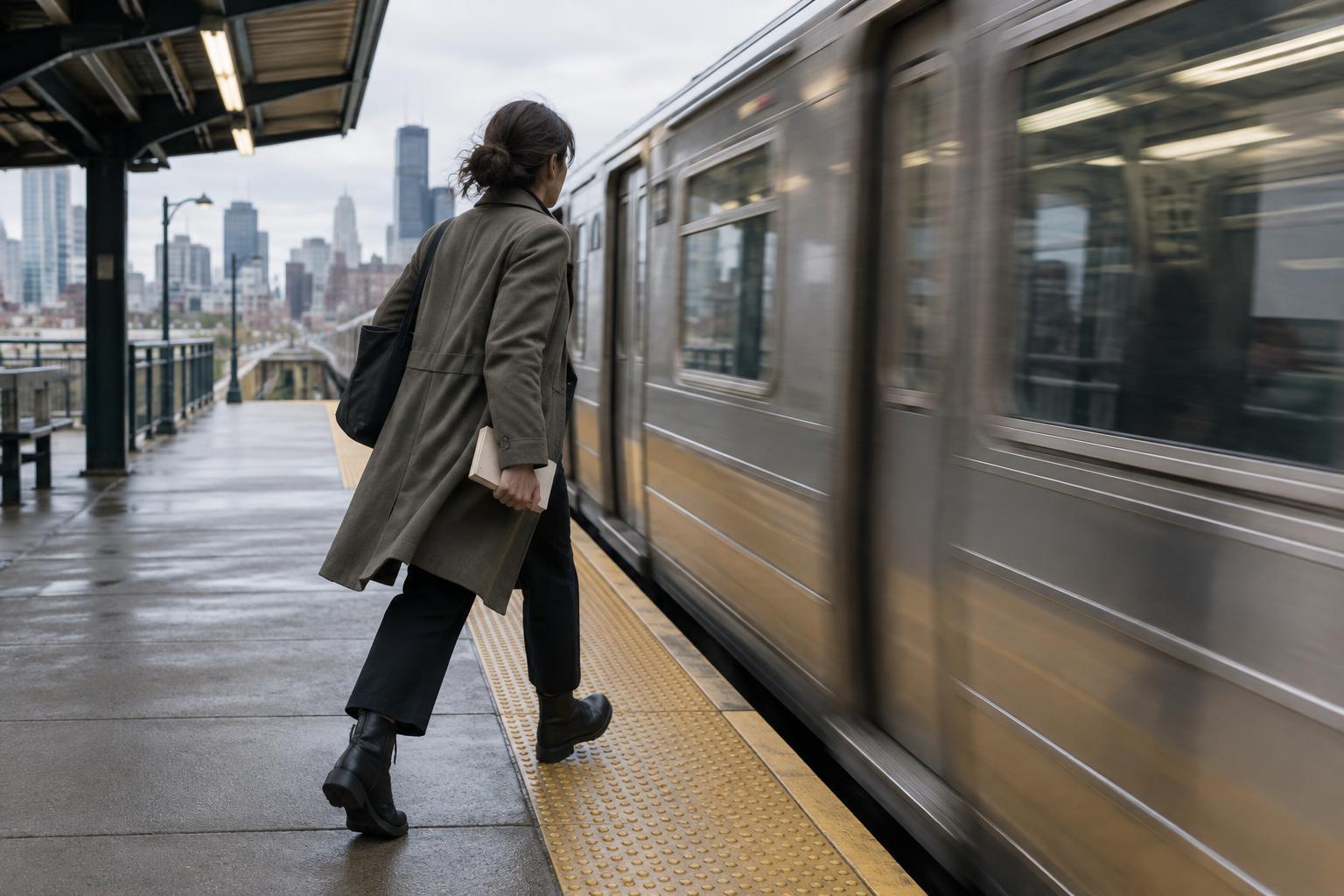
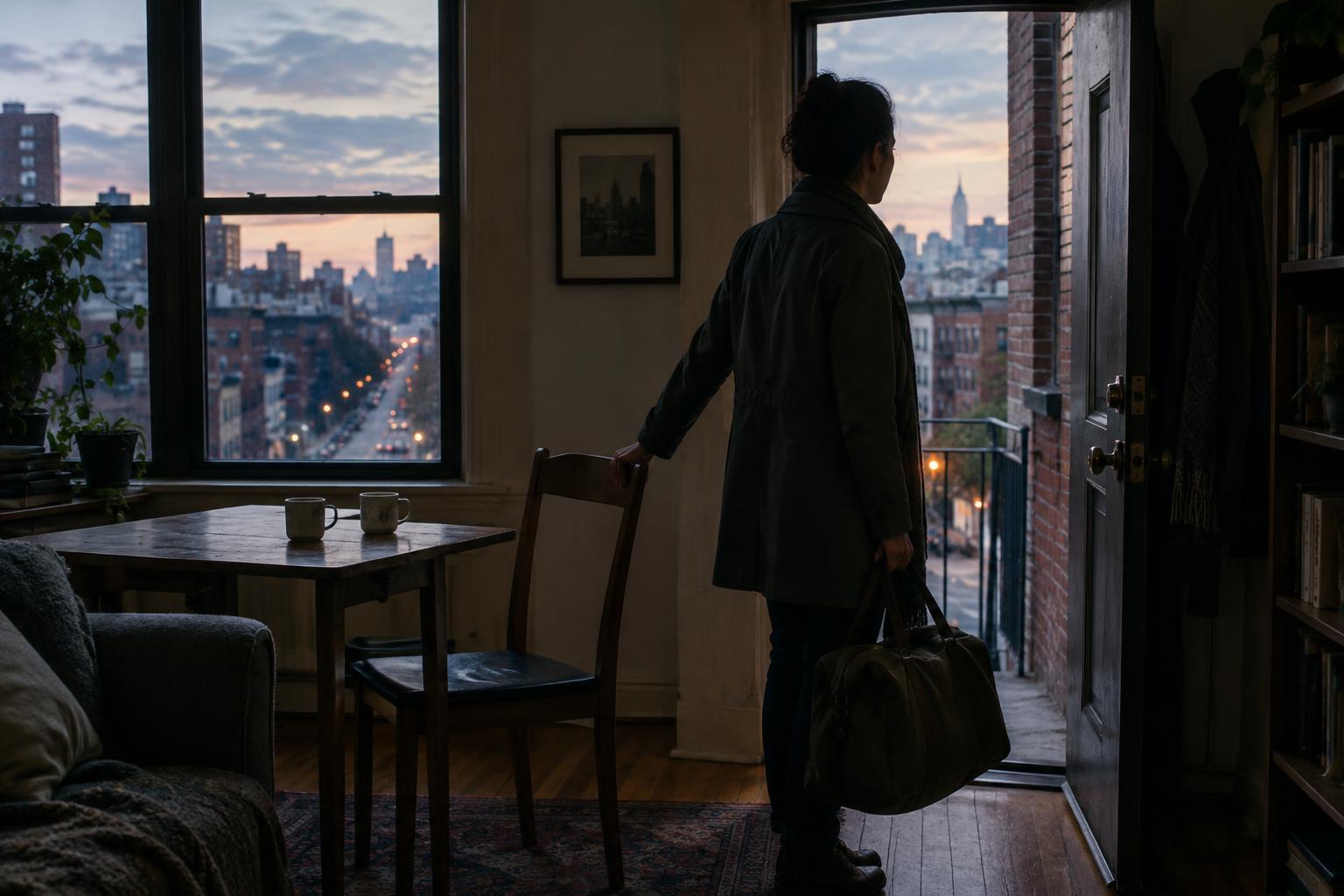
Because flash has little space for orientation, it often enters close to a point of pressure. The character may already be on the train, holding an unopened letter or standing outside a familiar apartment that suddenly feels unfamiliar. Context arrives through what the character notices and does. An opening sentence can suggest a relationship, a history and a problem without explaining all three.
A short story can begin earlier or take a less direct route. It might let a repeated journey across a city establish a character’s habits before something interrupts them. That extra time is useful when the reader needs to understand why a small action matters. It can also create contrast: a quiet opening makes a later disturbance more visible. Still, available space is not an obligation to supply a full biography. In both forms, begin where the reader can sense that something is at stake.
Build character through action and omission
Flash rarely has room to present a character from every angle. A precise choice can carry more weight than a list of traits: someone gives directions to a stranger but avoids naming the street where they grew up. That action suggests knowledge, hesitation and a possible history. The writer does not have to settle every question it raises. What remains unsaid can invite the reader to participate, provided the scene gives them enough to follow its emotional movement.
In a longer short story, character can emerge through patterns as well as individual gestures. A promise made in one scene can be tested in another. A person may behave differently at home, at work and among old friends, allowing the reader to see tensions that no single encounter could hold. The challenge is to make each scene change our understanding, rather than repeat a trait we have already grasped.
Let setting carry the right amount of history
Place can help either form feel larger than its page count. In flash, a boarded-up shop, a new sign over an old doorway or the sound of a familiar language in an unexpected place can imply change without a separate explanation. Such details work best when they matter to the character in the scene. A street name alone may locate the action; the character’s response to that street can turn location into story.
A short story can give a place a more gradual role. The same block might look different at noon and after closing, or to a resident and a visitor. Returning to a location can show how a character’s sense of belonging shifts. Even then, setting should not become a catalogue of local color. Select details that affect choices, relationships or memory, and leave the rest outside the frame.
Find an ending that fits the form
Flash often ends by changing the meaning of something already present. An ordinary object may acquire a new significance, or a final action may reveal what the character could not say. A surprise can work, but a twist is not required. An ending that feels both open and deliberate may leave a stronger impression than one that explains the entire scene.
A longer short story can earn an ending through accumulation. Several earlier choices may converge, or a character may repeat an old action with a different intention. The ending need not resolve every problem, but it should respond to the central tension the story has developed.
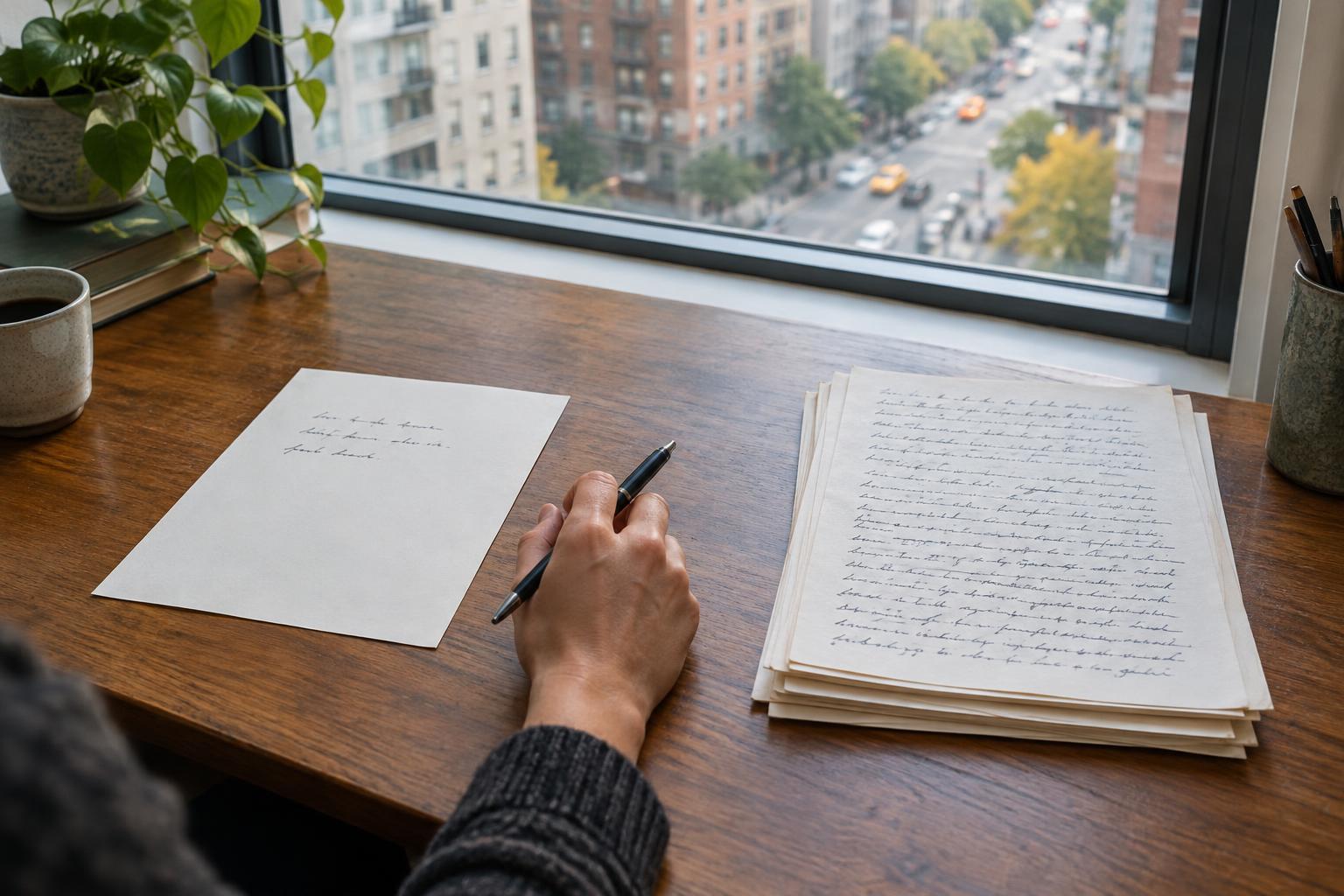
When choosing between forms, draft toward the part of the idea that interests you most. Then ask what the reader needs in order to feel its effect. If additional scenes deepen the change, give them space. If they merely explain a moment that is already alive, try cutting toward flash. The goal is not to reach a prescribed length, but to find the length at which the story’s choices feel necessary.