Two ways past the blank page
Starting is not a single problem. Sometimes you have a feeling, image, or question but cannot yet name what you want to write. At other times, you want to write but have no point of entry at all. Freewriting and writing prompts address these different kinds of hesitation. Neither guarantees a strong draft. Both can help you produce material you can examine, keep, reshape, or leave behind.
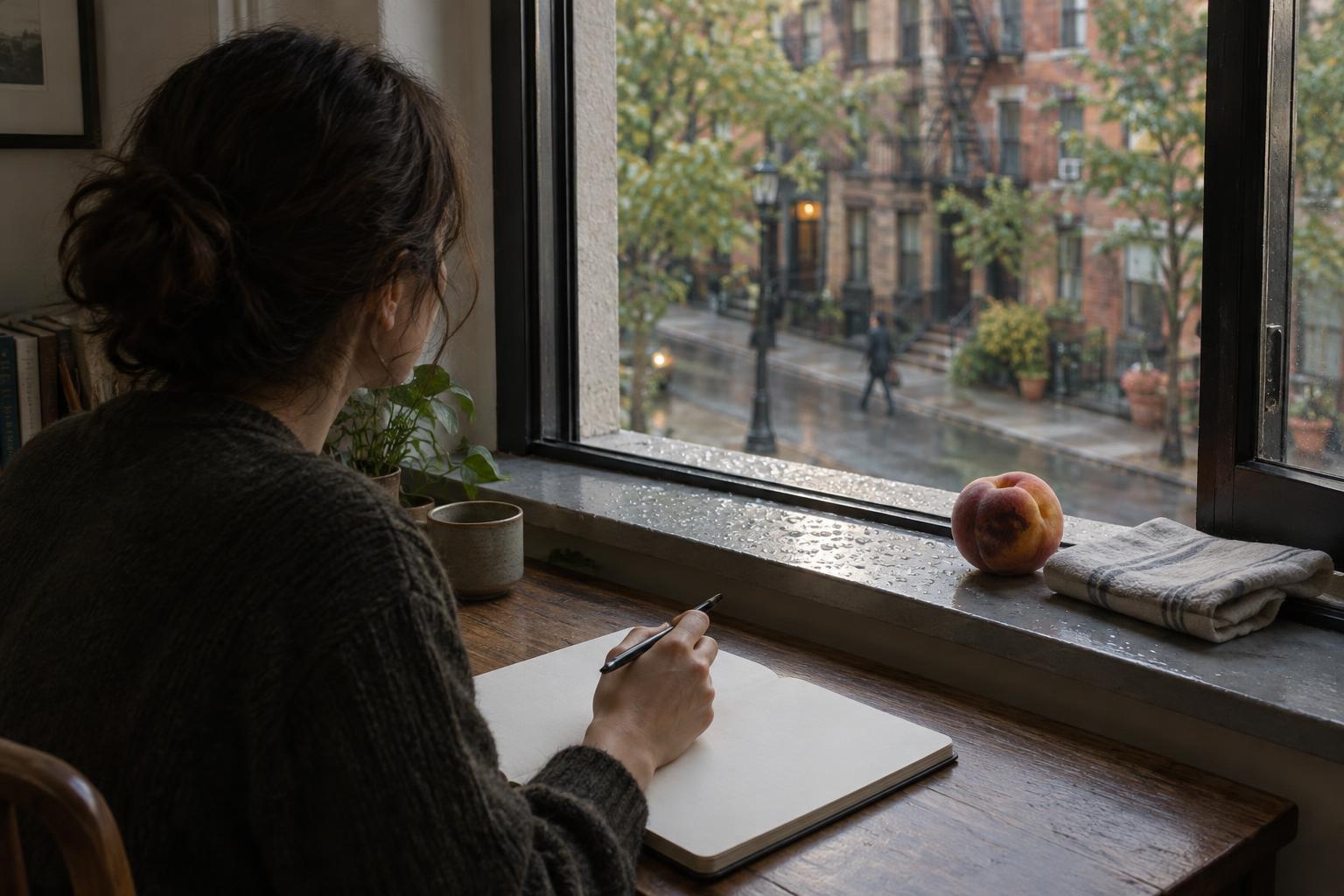
In freewriting, you write continuously for a limited stretch without stopping to revise or plan. You can begin with a phrase, but you do not have to know where it leads. A prompt supplies a constraint or invitation: describe a room through its sounds, write a scene around a missed appointment, or address a poem to a place you once knew. The distinction is not freedom versus rules. It is whether your first task is to follow an emerging thought or respond to a chosen frame.
Use freewriting when you need to listen
Freewriting is useful when something keeps returning to your attention but resists a tidy outline. Set a timer for a manageable interval and write what you notice, including uncertainty. If you run out of words, repeat the last phrase or write about what is making you pause. The aim is not speed or confession. It is to keep your inner editor from settling every question before the page has a chance to ask it.
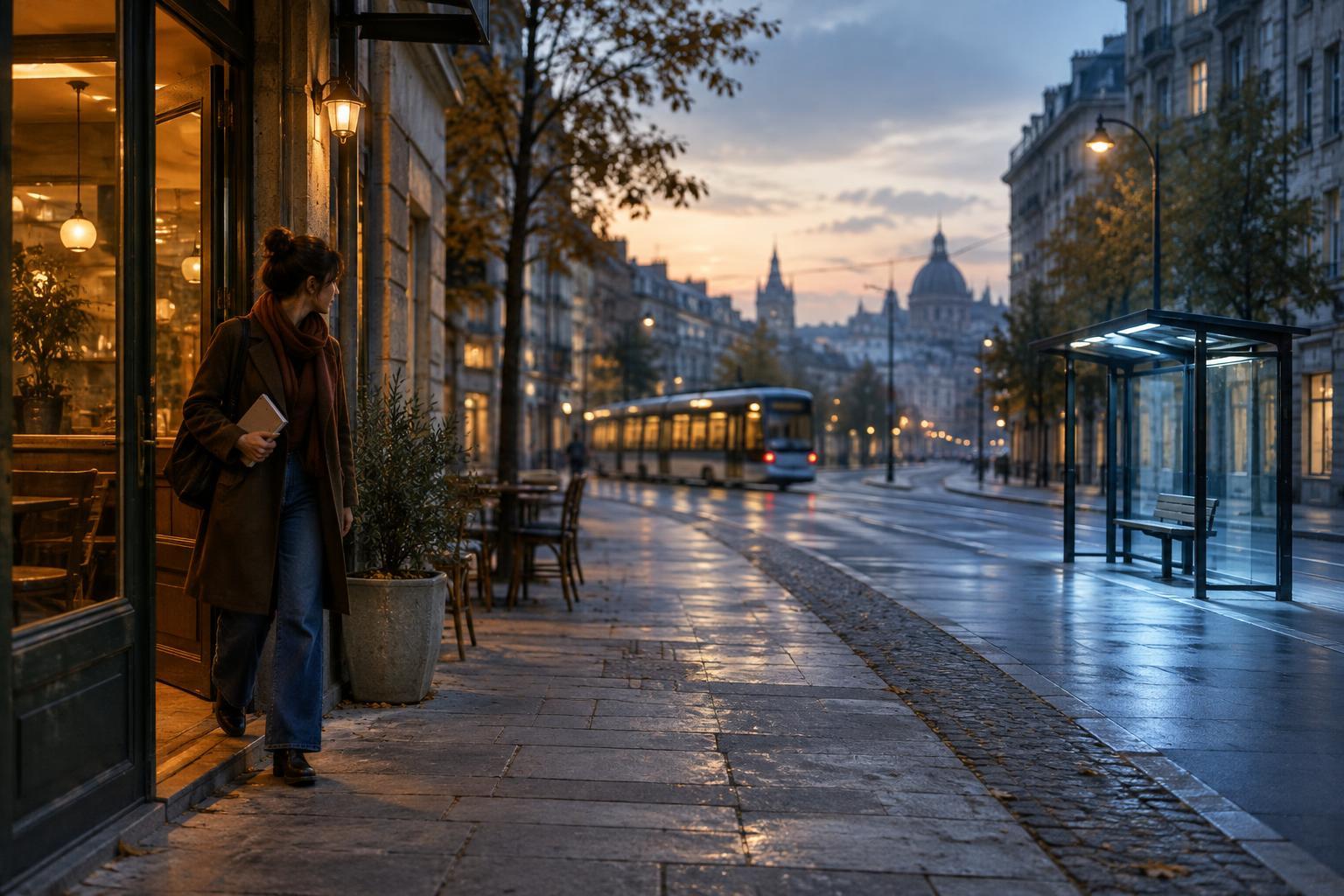
This can be especially helpful for writing about memory and place. You might start with a familiar street, then find yourself describing the person you used to meet there or the name you still use for a building that has changed. Follow that turn. Unexpected associations may reveal a subject more specific than “my neighborhood” or “belonging.” Afterward, underline a concrete detail, a surprising sentence, or a question worth pursuing. You do not need to preserve the rest.
Use prompts when you need a doorway
A prompt helps when the range of possible subjects feels too wide. A useful prompt narrows one decision while leaving others open. “Write about a city” may be too broad; “describe a journey across a city without naming your destination” gives you an action and a constraint. You can choose the voice, the city, and what changes along the way. That balance makes it easier to begin without deciding the whole piece in advance.
Prompts can also interrupt familiar habits. If your stories usually begin with explanation, try starting with an object being passed from one person to another. If a poem stays abstract, write six lines grounded in things a speaker can hear. Treat the prompt as scaffolding, not a contract. Once it has helped you reach an interesting scene or image, you may depart from it. The most promising piece might answer a different question from the one you were given.
Choose by the kind of resistance you feel
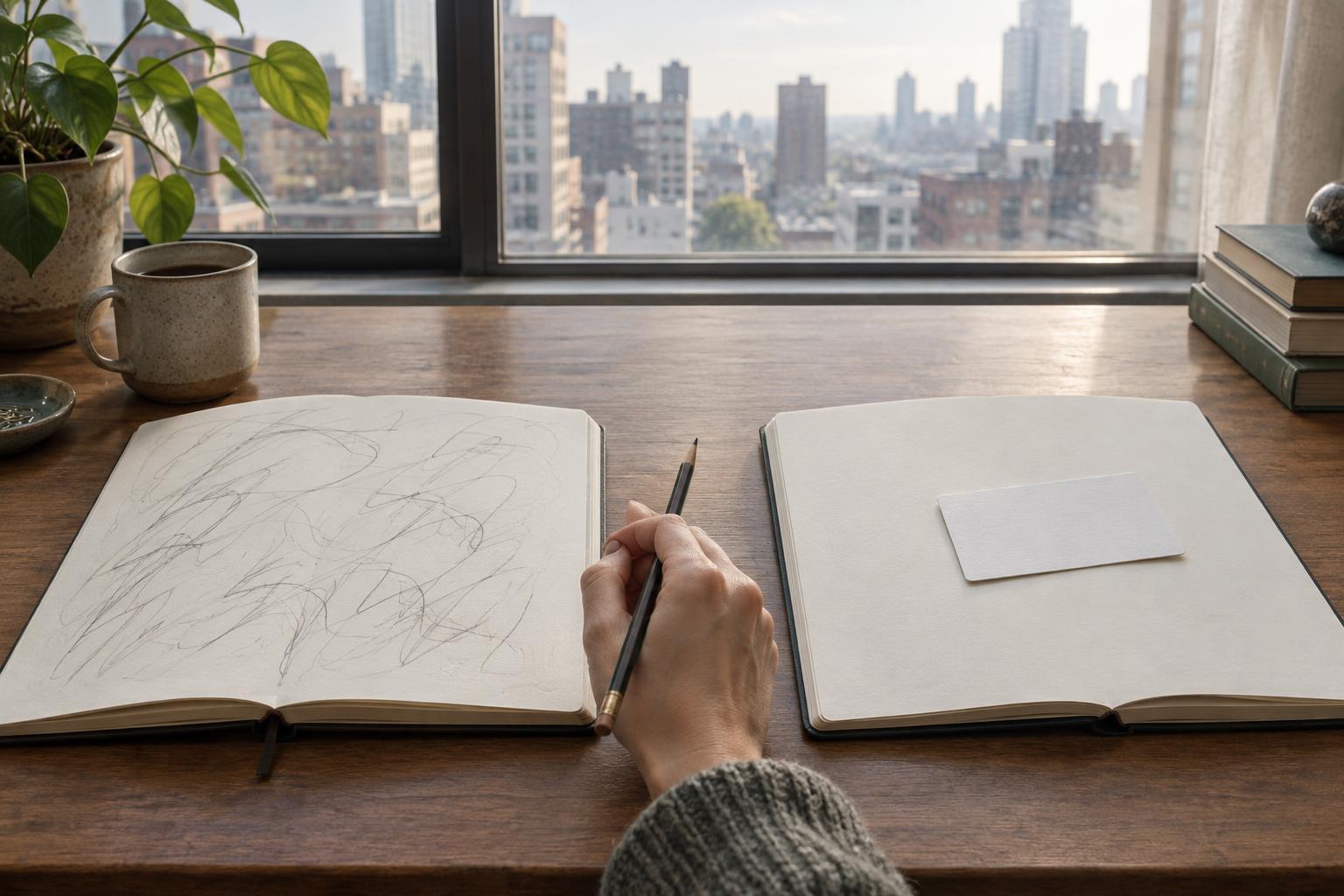
Before you begin, ask what is stopping you. If you have too many thoughts and cannot tell which matters, try freewriting to see what recurs. If you have energy but no subject, pick a prompt with one clear limit. If you know your subject but fear getting it wrong, either method can help you make a provisional draft. Give yourself permission to write something that is not yet intended for a reader.
You can also combine the methods. Start with a prompt, then freewrite past its boundaries for a few minutes. Or freewrite first and turn a sentence you cannot stop thinking about into a prompt for the next session. For example, a passing mention of an empty bus stop could become: Who waits there, and what do they expect to see? Moving between approaches keeps the exercise responsive to the work rather than forcing the work to obey an exercise.
Find the piece inside the practice
When the session ends, resist judging the pages only by how polished they sound. Look instead for movement: a change in tone, a detail that complicates an easy assumption, or a character whose desire becomes clearer. Mark a small passage and ask what it might need next. A scene may need another person; an essay may need a sharper question; a poem may need fewer explanations and more attention to its images.
Then make one modest plan for returning. You might write the same scene from another viewpoint, expand a promising paragraph, or test whether an image can hold a whole poem. Starting exercises work best when they leave you with a next step, even if that step is to try again. Freewriting gives you room to discover; prompts give you something to push against. The better choice is the one that gets you into a draft you are curious enough to revisit.