Listen for the experience behind the advice
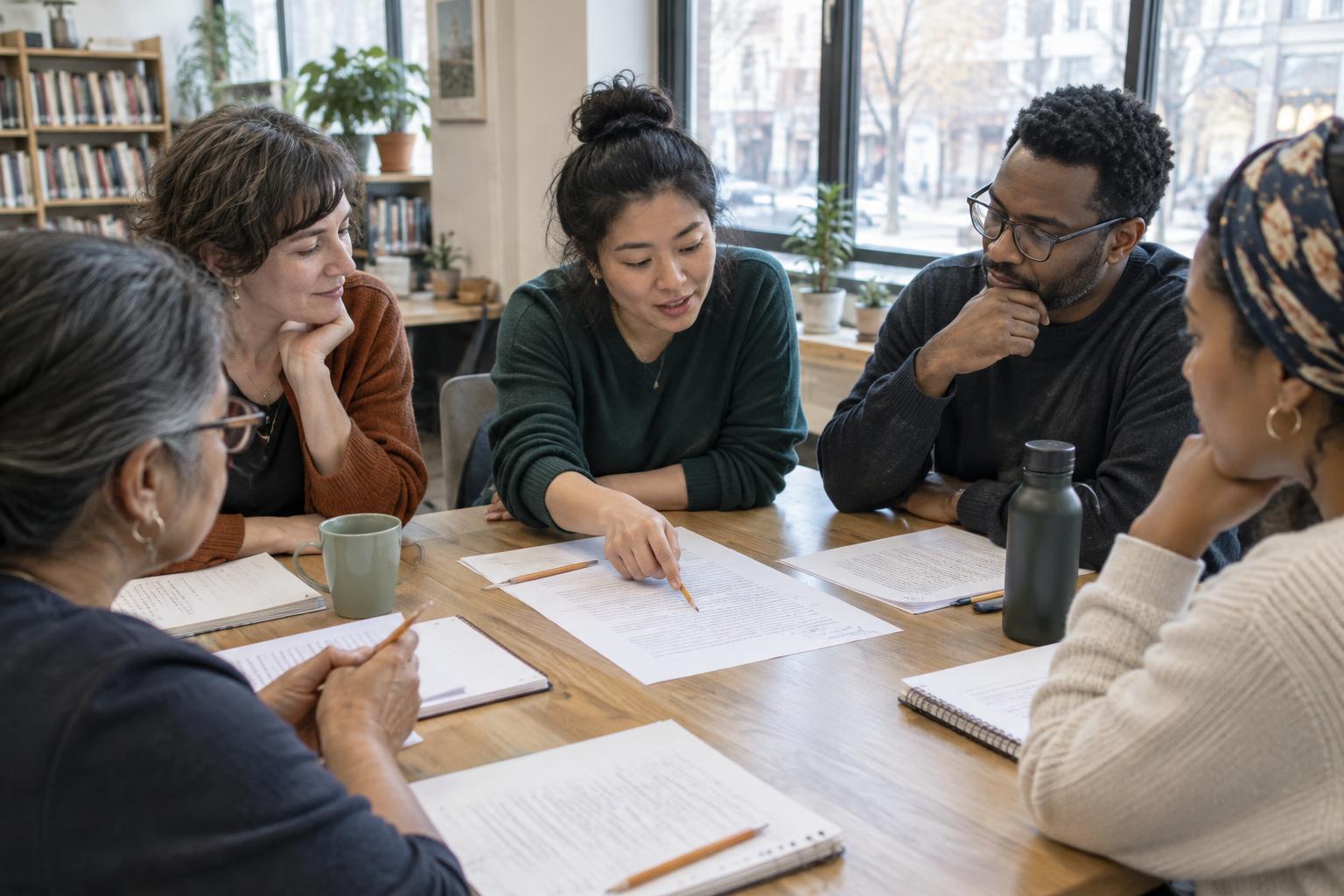
A workshop can leave you with a page full of competing instructions. One reader wants a slower opening; another wants you to begin three pages later. Someone asks you to explain a character’s history, while someone else values the mystery. The aim is not to find the suggestion with the most votes. It is to learn what happened as people read, then decide what, if anything, needs to change.
Try separating each comment into an observation and a proposed fix. “I wasn’t sure who was speaking in the second stanza” describes a reading experience. “Add names before every line of dialogue” proposes a solution. You might agree that the speakers need to be clearer without adopting that solution. A shift in rhythm, a changed line break, or one well-placed detail might do the work more naturally.
Return to what the piece is trying to do
Before sorting comments, write a brief note to yourself about the draft’s purpose. It need not be a grand statement: “This story follows a person who knows their neighborhood well but no longer feels at home there” is enough. Name the questions you want readers to carry and the facts you expect them to understand. That distinction matters. Productive uncertainty can draw a reader forward; accidental confusion can push them out of the piece.
This note gives you a way to assess feedback without treating your first intentions as untouchable. If a reader asks for a full account of why your narrator left the city, consider whether that explanation would sharpen the story or settle a question the story needs to keep open. If several readers cannot tell that the narrator has returned after years away, however, you may have withheld a basic point of orientation rather than created meaningful ambiguity.
Look for patterns, not verdicts
After a workshop, group comments by the moment they address instead of reading them as a list of tasks. Three readers may propose three different fixes for the same scene: move it, cut it, or add a memory. Their disagreement about the fix may conceal agreement that the scene has lost momentum. Mark the passage and ask what changes there. Does the action stop? Does the point of view drift? Does a description repeat what the reader already knows?
A lone comment can also be useful, especially when it comes from someone who notices a detail others passed over. But a comment is not a verdict simply because it is confidently expressed. Ask whether it identifies something visible on the page. “I wanted another concrete detail about the street” gives you a place to investigate. “Stories about cities should always name the city” states a preference you are free to decline. The distinction helps you stay curious without becoming obedient.
Test changes in small, reversible ways
You do not have to commit to a suggestion to learn from it. Save the original draft, then make a trial version of the passage in question. If someone says the opening is too slow, try removing its first paragraph and read what follows. If the piece gains energy but loses an important sense of place, you could restore the paragraph in a leaner form or move one detail later. An experiment can show you what a comment has detected, even when its proposed remedy is wrong for the piece.
For poems and short fiction, read both versions aloud. Listen for whether an added explanation interrupts the voice or whether a cut leaves the reader without a foothold. You can also wait a day before deciding. The immediate discomfort of hearing criticism is not a reliable measure of its value, and the relief of making a quick fix is not proof that the fix works. Give the revised passage a chance to stand beside the original.
Keep a record of your decisions
When you finish sorting feedback, make three short lists: changes to try, questions to keep watching, and suggestions to set aside. You might decide to clarify a shift in time, watch whether the ending feels abrupt in later readings, and decline a request to make a deliberately restrained narrator more openly emotional. Recording the reason for each choice helps you revise deliberately rather than cycling through the same doubts.
You can thank readers for their attention without promising to use their advice. A good workshop is not a contest to see whose version of the piece wins. It offers evidence of how this draft met these readers. Your task is to weigh that evidence against the work’s aims, make a few careful experiments, and keep the decisions that bring the piece closer to itself.