A building is more than its walls
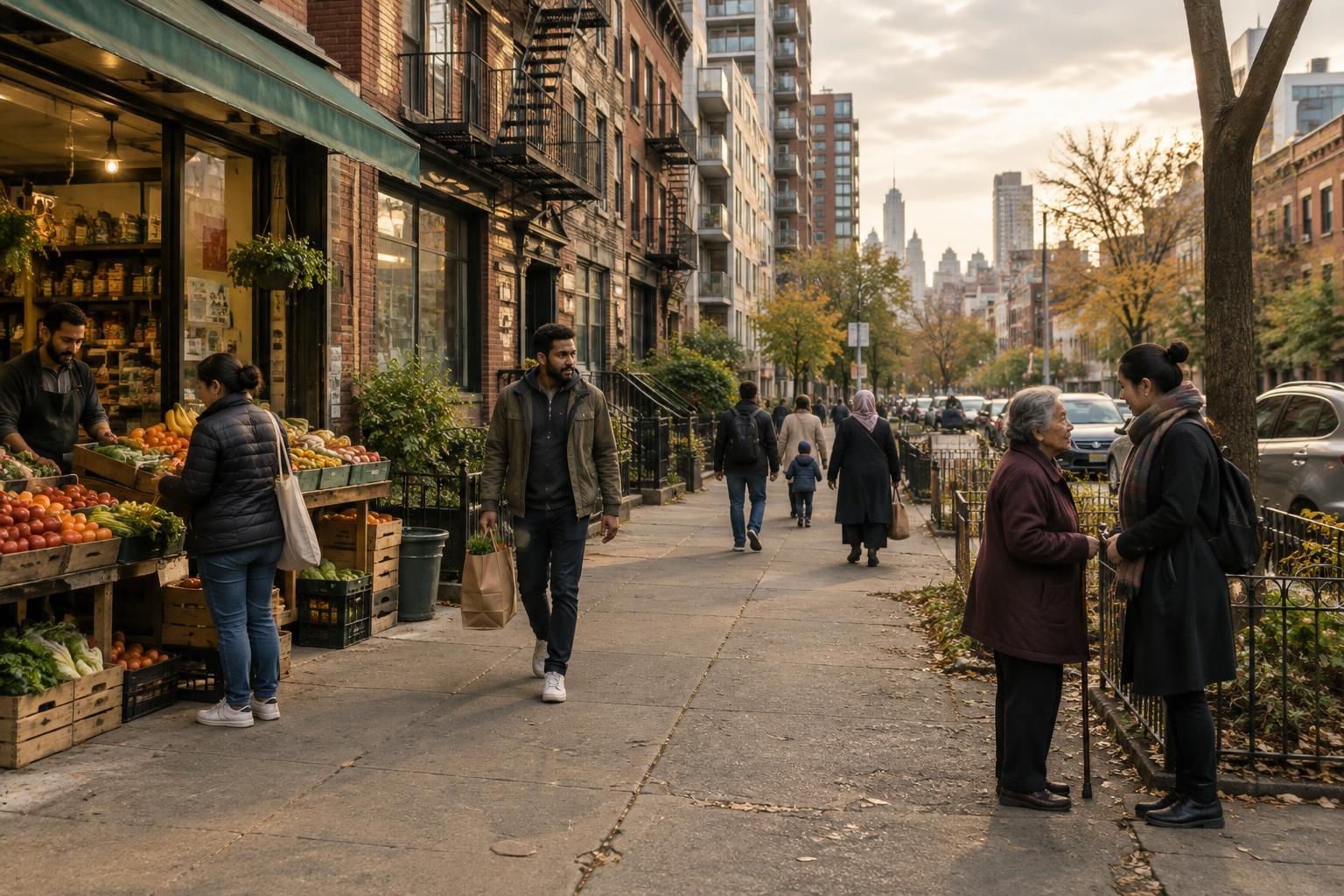
An empty storefront may look unremarkable to someone passing through. To a person who grew up nearby, it might still be the place where a parent bought bread after a late shift, where neighbors exchanged news, or where a child learned the names of the streets around it. The building matters not because its architecture is exceptional, but because ordinary life happened there repeatedly.
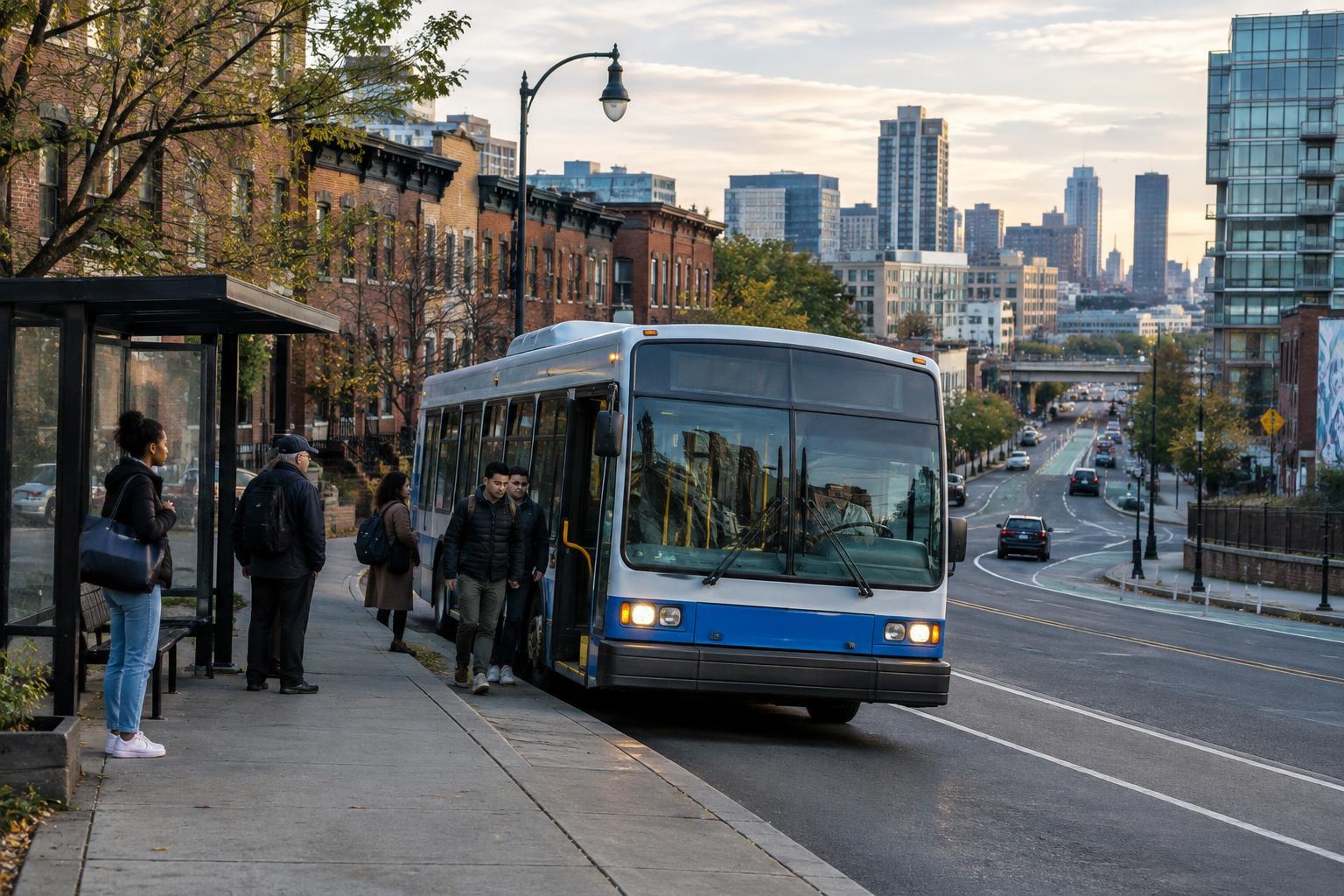
Places help people locate memories. A doorway, a stairwell or a view from a bus stop can call back stories that might otherwise remain untold. Those stories overlap: the same corner can be a site of work, friendship, exclusion or refuge, depending on who is remembering. When the corner is demolished, the memories do not vanish at once. But a familiar cue and an easy way to share those memories with someone else are gone.
What demolition makes harder to see
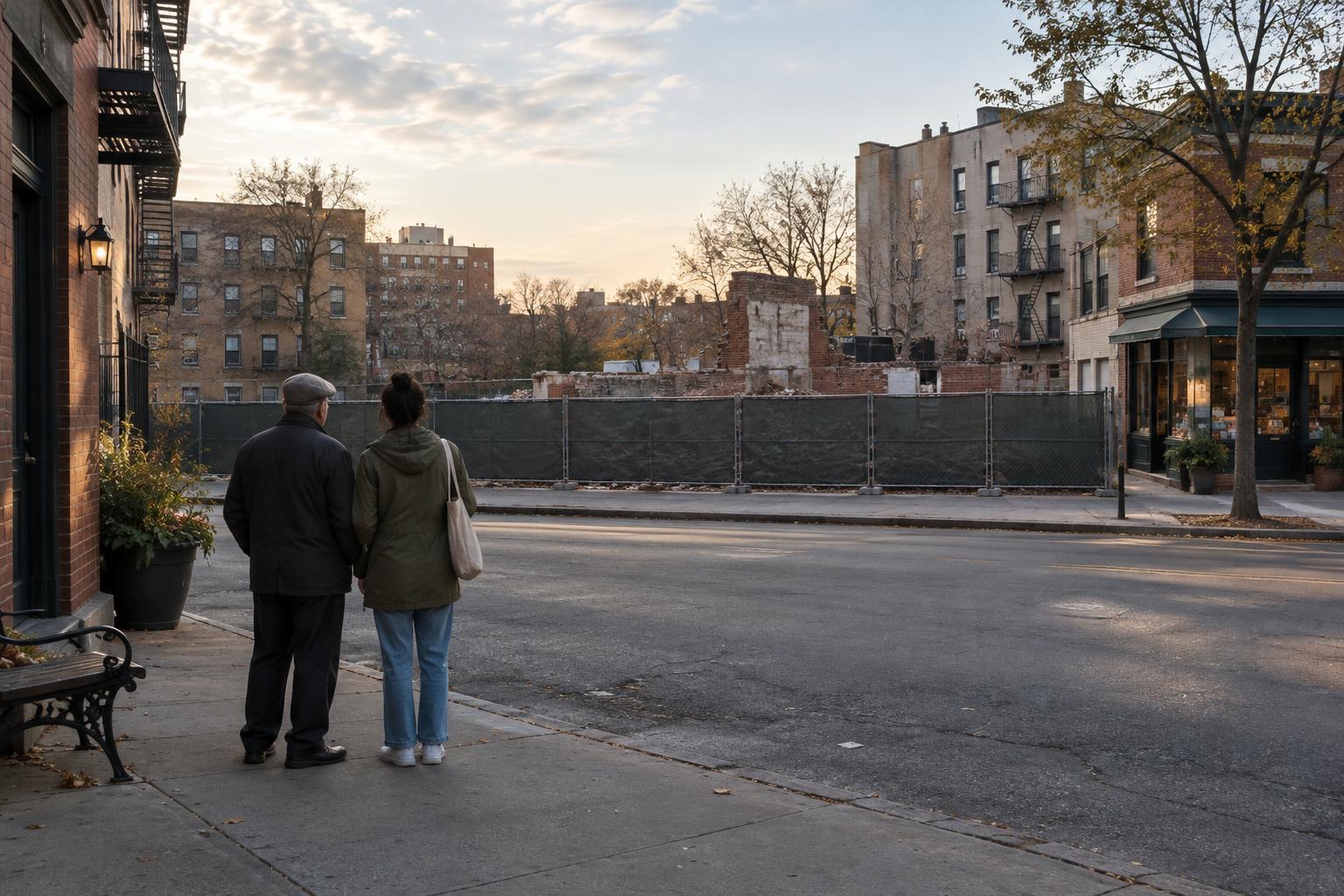
Cities change, and not every building can or should remain. Some structures are unsafe; others no longer serve the people around them. Still, a decision described as replacing one building with another can obscure what else is being removed. A modest hall may have hosted celebrations without ever becoming a formal landmark. A row of shops may have supported relationships among owners, workers and customers that cannot simply move together to a new address.
Physical traces also make competing accounts of a place easier to encounter. A building can prompt a former resident to correct an official description, or lead a younger neighbor to ask who was able to gather there and who was not. Once it is gone, photographs and records may preserve its appearance, but they rarely capture every routine that gave it meaning. Remembering the place requires listening to people as well as looking at images.
Displacement changes who can remember together
Demolition and displacement are related, but they are not identical. A building may come down after its occupants have left, or its loss may be one part of a wider pattern of rising costs and changing land use. In either case, the question is not only what replaces the structure. It is whether the people who made a neighborhood recognizable to itself can still live, work and meet nearby.
Shared history depends on shared opportunities to tell it. When longtime residents scatter, a story once passed along at a counter or on a front step may become difficult to revisit. Community archives can help, but they do not replace the relationships through which memories were formed. Nor should an appeal to history imply that every past arrangement was fair. A fuller account makes room for people who were pushed out earlier, overlooked in public records or never invited to speak for the neighborhood.
How to remember without turning a place into a symbol
It is tempting to reduce a lost building to a single image: the beloved cinema, the old apartment block, the shop everyone knew. Such images can draw attention, but they can also flatten disagreement. One person may mourn a workplace while another remembers poor conditions there. The aim of recording a place need not be to settle on one approved meaning. It can be to preserve enough detail for different experiences to remain visible.
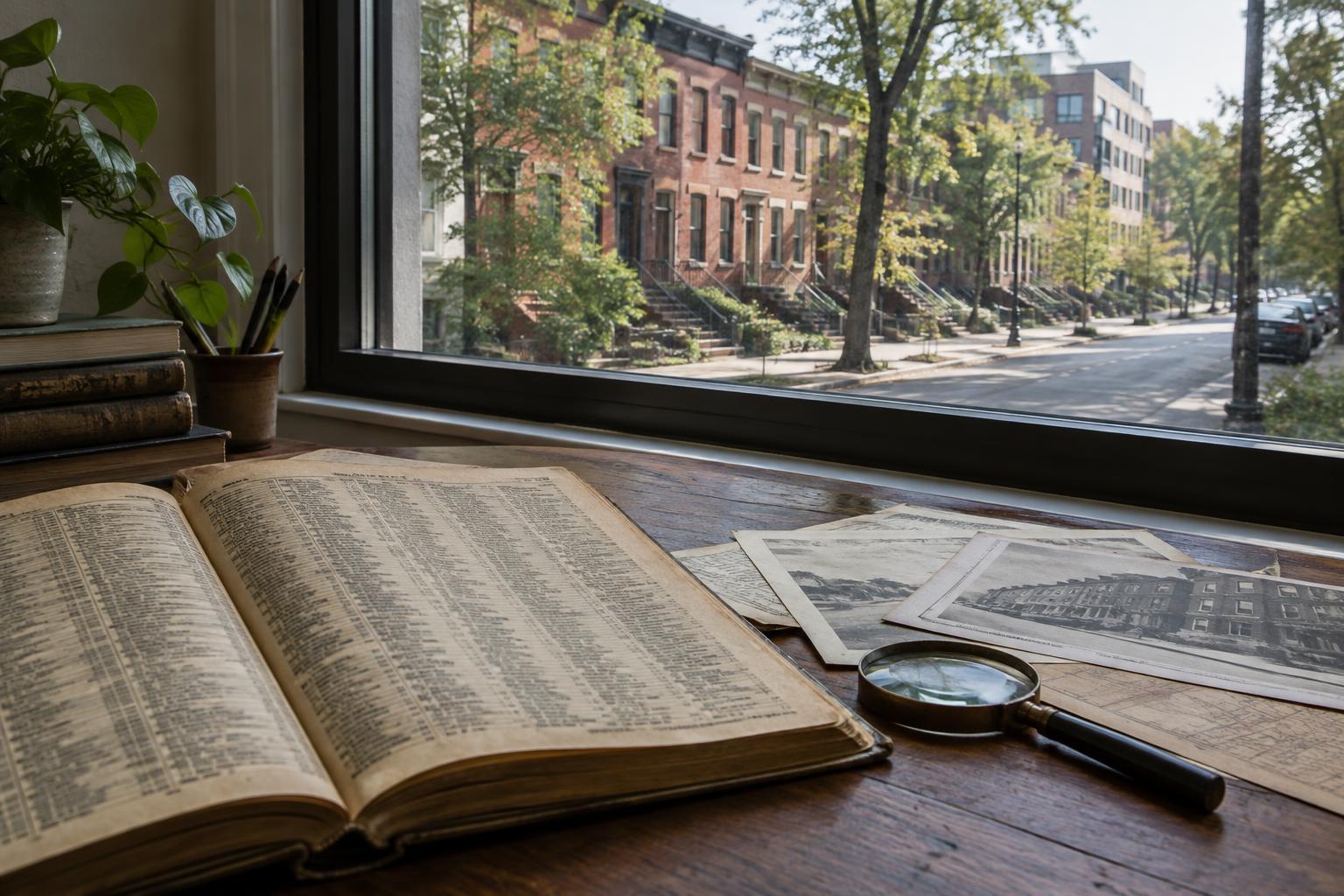
A useful starting point is to ask specific questions. What did people do in the building on an ordinary day? How did they reach it? Who kept it running? What changed before it closed? With permission, neighbors might collect recollections, sketches, photographs or descriptions of sounds and routes. Captions should identify what is known and leave uncertain details uncertain. Anyone gathering stories should also respect a person’s choice not to share a memory, especially when that memory concerns a lost home or livelihood.
Keeping memory in the life of a changing city
Preserving a building and preserving its history are different tasks. Sometimes reuse is possible; sometimes it is not. In either case, people can ask that plans for a site account for existing uses, not just its physical footprint. Where will a familiar gathering place go? Can people who depend on the site reach an alternative? Who gets to describe what mattered there? These questions make memory part of a conversation about the future rather than a tribute added after the decisions are made.
A demolished building leaves a gap that a new one may eventually fill in practical ways. It cannot automatically restore the habits, connections and stories built over years. Taking those losses seriously does not require treating every change as a mistake. It requires recognizing that a city is made not only of structures, but also of people who give those structures meaning—and whose ability to remain matters to what the city can remember.