Memory in the ordinary landscape
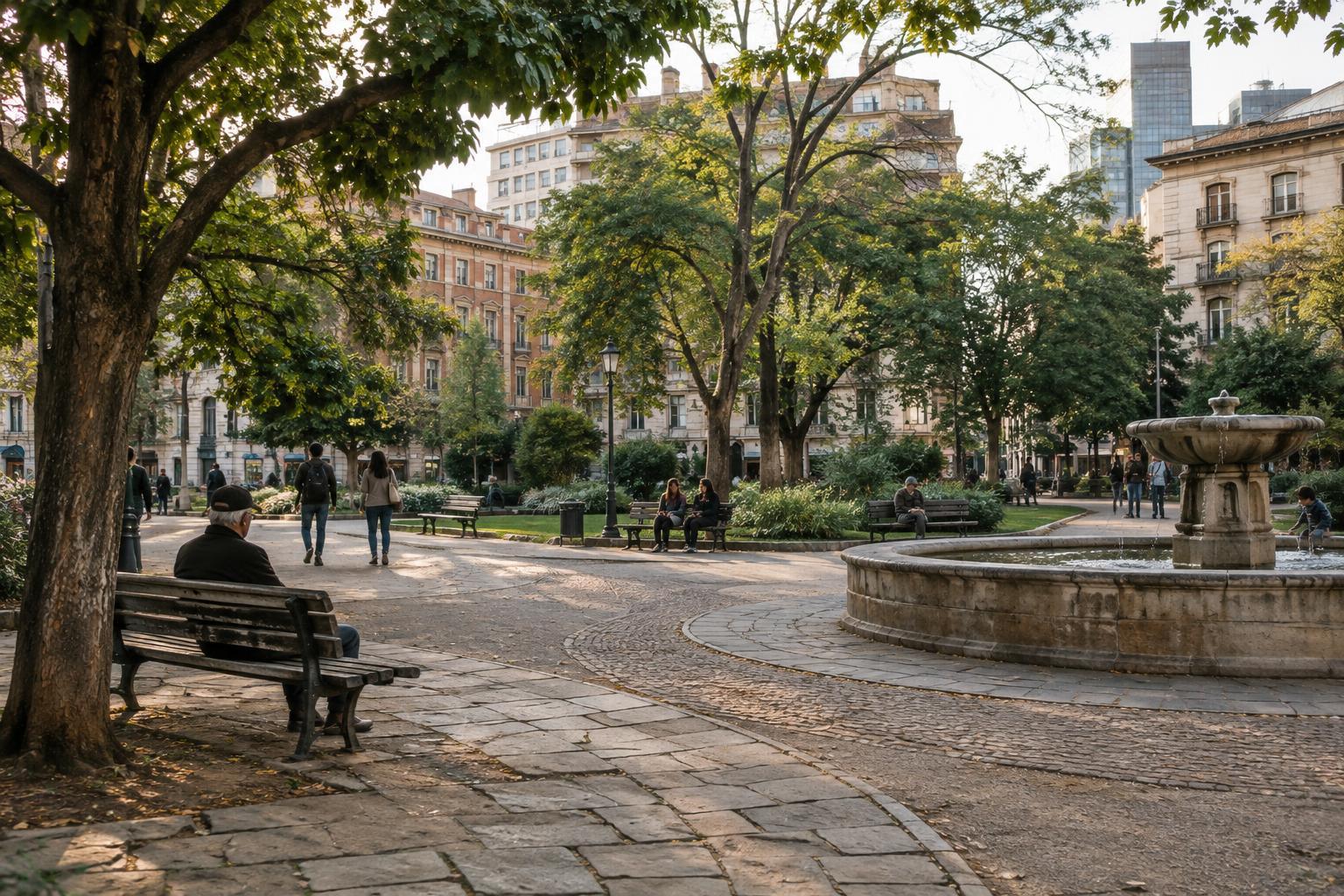
A plaza may seem like a space between buildings; a park, a welcome break from them. Yet both can become places where a city remembers itself. People return to the same steps to meet friends, follow a familiar path after work, or teach a child where to cross the grass. Repetition gives these places a personal history. Because strangers also use them, private memories gather in a setting that feels shared.
Collective memory does not mean everyone remembers the same thing. One person recalls a concert; another remembers a difficult farewell on a nearby bench. A square that represents celebration to some may recall exclusion or conflict to others. The value of thinking about parks and plazas as memory sites lies in holding those accounts together without flattening their differences.
How use leaves its mark
Some traces are easy to see: a worn shortcut across a lawn, a community noticeboard, flowers placed at the base of a tree. Others live in habits rather than objects. Regular walkers recognize one another. A family chooses the same patch of shade each summer. Neighbors learn which corner catches the afternoon light. These small practices may never enter an archive, but they help turn open space into a familiar part of urban life.
Public gatherings give these places another layer of meaning. A plaza can host a festival, a vigil or a protest because it offers room to appear together. After the gathering ends, someone passing through may still associate the space with what happened there. The memory may fade, change or be passed on through conversation. It need not be preserved in stone to shape how people understand a place.
The stories built into design
Paths, entrances, lighting and seating influence who can comfortably stay. A broad central walkway may invite movement but leave few quiet places to rest. A fountain can draw people together while making it harder to hold a conversation nearby. Design does not dictate every use, yet it creates possibilities and limits. Reading a park closely means noticing not only what has been placed there, but what its layout makes easy or difficult.
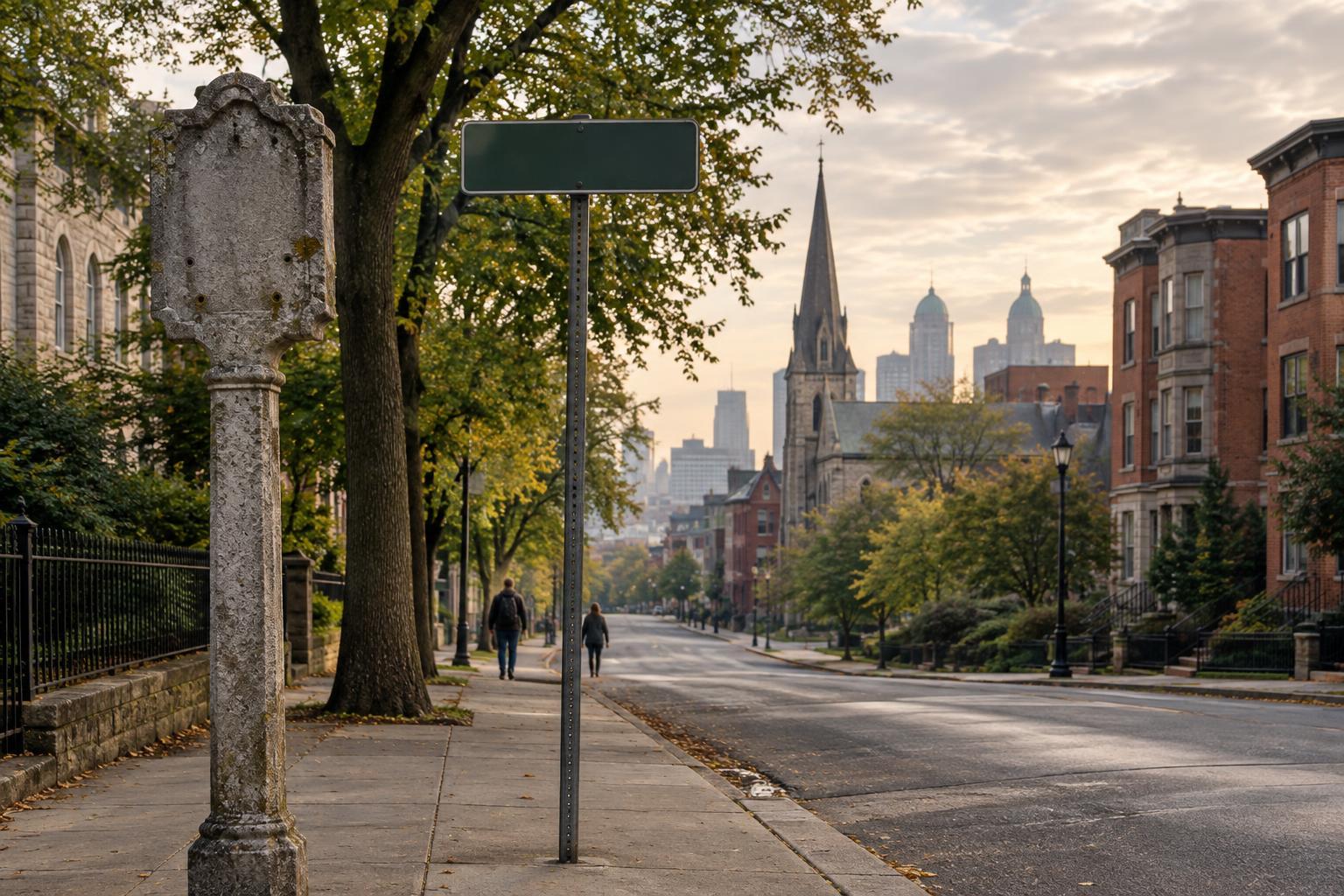
Monuments and plaques make particular memories visible. They can offer a starting point for learning about an event or a person, but they cannot tell a complete story on their own. The choice to commemorate something is also a choice about what receives public attention. Looking beyond a monument—to the surrounding paths, nearby buildings and people using the space—can reveal questions its inscription does not answer.
Whose memory is welcomed?
The word public can suggest equal belonging, though access is often less simple. Distance, opening hours, maintenance, physical barriers and the feeling of being watched can affect whether someone treats a place as theirs to use. A lively plaza in one person’s account might be an uncomfortable place in another’s. Listening for both experiences gives a fuller picture than treating the most visible visitors as the whole community.
Change can sharpen these differences. Renovation may make a space easier to enter or provide places to sit, while also removing features people loved. New names and signs can bring overlooked histories forward, yet long-time users may need time to recognize themselves in the altered landscape. Asking what was gained, what disappeared and who was involved in the decision is more useful than assuming that change either erases memory or restores it.
A practice of paying attention
To explore a park or plaza as a place of memory, start with ordinary observation. Visit at different times if you can. Notice where people pause, which routes they take and what signs of past use remain. Pay attention to what you cannot know from looking. A gathering may have a history, but its meaning belongs first to the people involved; observation is an invitation to ask careful questions, not a license to invent answers.
Writers can bring this attention to the page by choosing a modest point of view. Instead of claiming to tell the story of an entire city, describe a path, a bench or the changing use of a square, then make room for other possible experiences. Parks and plazas endure through both their physical forms and the stories people carry through them. Their memory is never finished; it is renewed, contested and shared each time someone enters.