Two ways of remembering a place
A grandmother remembers a corner store by the sound of its doorbell and the owner who let children wait inside on rainy days. A municipal record may identify the same address by lot number, building use and a sequence of owners. Neither account contains the whole store. One preserves what it meant to enter; the other helps establish where it stood and how the property changed.
This difference matters when we try to tell a city’s history. Family memory tends to follow people, relationships and repeated routes. Municipal records follow the purposes for which they were created: assessing property, planning streets, issuing permits or documenting official decisions. Reading the two together does not require choosing a winner. It means asking what each kind of evidence was able to notice.
What a family story can hold
Family accounts often give a neighborhood its lived dimensions. They may recall which bus stop felt safe after dark, where relatives gathered after work or how a demolished building remained a landmark in conversation. Such details can explain why a place mattered long after its official use changed. They also show that the same street can mean different things to different generations.
Memory is not a perfect recording. Stories can shift as they are retold, and a vivid scene may be assigned to the wrong year or address. People may leave out events that were painful, ordinary to them or difficult to discuss. These limits do not make a recollection worthless. They make it important to distinguish between a detail someone witnessed, a story they inherited and an interpretation they arrived at later.
What the city writes down
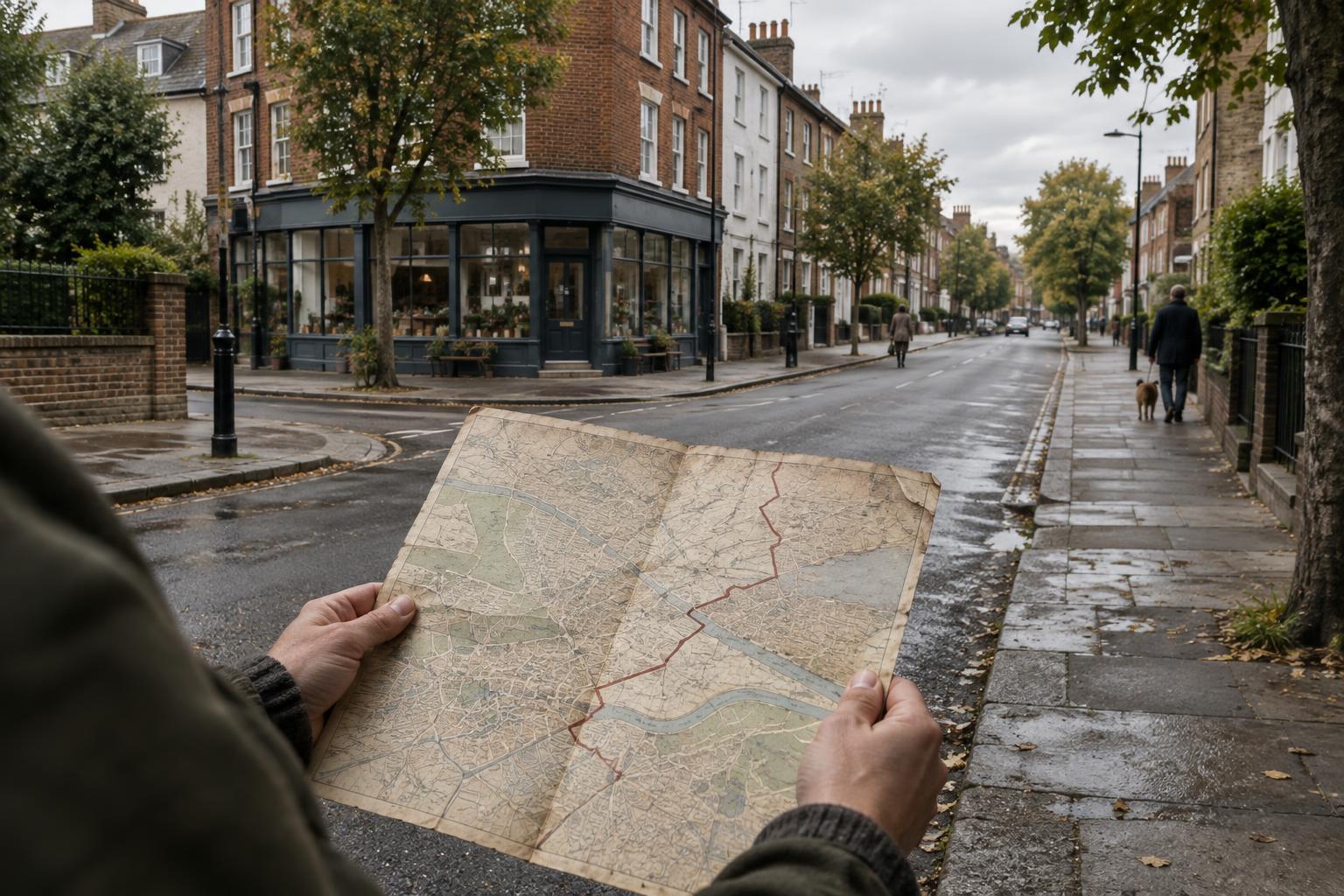
Municipal records can provide a useful framework for a story. Maps, meeting minutes, property files and planning documents may help trace when a road was altered, a building was approved or a block was renamed. They can turn a vague “before the new street went through” into a more precise sequence of changes. Where records are available, comparing several types may also expose a mistake or omission in any single file.
Yet an official record is not a neutral portrait of everyday life. It reflects what a department needed to track and the language it used to do so. A property file may name an owner but not a tenant; a planning document may describe homes as parcels while residents remember kitchens, gardens and neighbors. Even a well-kept archive can tell us little about the informal arrangements that helped people live in a place.
When the accounts disagree
Suppose a family remembers a row of houses being cleared quickly, while a set of documents shows a process stretching over several years. The difference may be more revealing than either account alone. Official action can proceed in stages, while the decisive moment for a household is the day it learns it must leave. “When did it happen?” may have more than one reasonable answer.
A careful comparison starts with specific questions. Which address is each source describing? Does a family name refer to the same person throughout the story? Is a map showing a proposed change or a completed one? It helps to keep confirmed details separate from plausible connections and unresolved conflicts. Rather than forcing every source into a tidy timeline, a writer can show readers where the evidence becomes uncertain.
Writing with both care and clarity
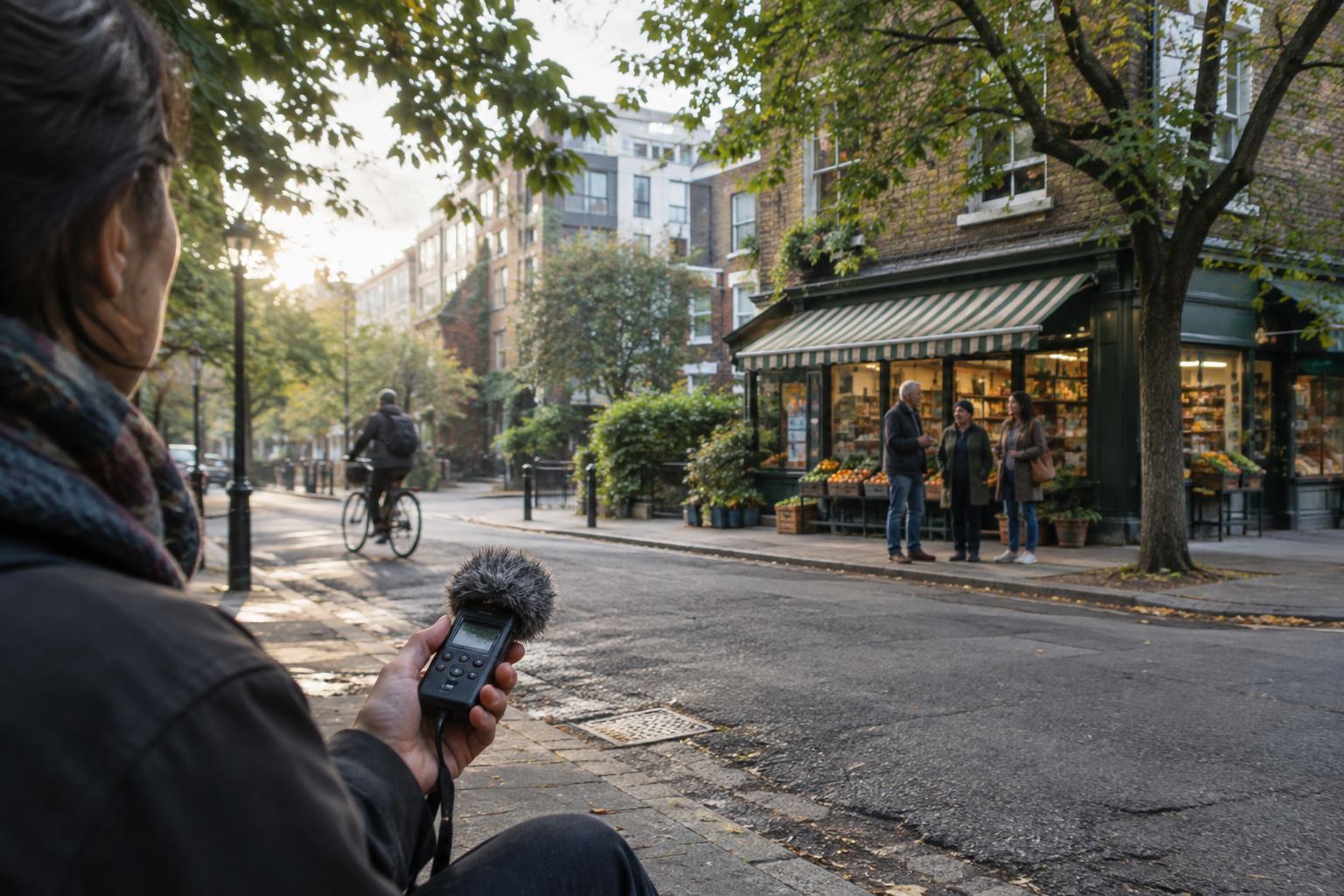
If you are working with family stories, begin by listening for places as well as dates. Ask what someone could see from a doorway, which route they took to school or what name they used for a square. Then look for records that can clarify the physical setting. A street name, address or building description may be enough to connect a personal account to a wider pattern of change without reducing the person to an example of that pattern.
Care also means considering what should remain private. A record may be publicly accessible without every detail being necessary to your story, and a relative’s willingness to talk does not automatically mean they want their memories published. Explain uncertainties plainly, seek permission where appropriate and avoid treating a missing record as proof that an experience did not occur.
The richest city histories often preserve the tension between these forms of knowledge. Municipal records can show the shape of a change; family memory can show how it felt and how long it continued to matter. Together, they make room for a city that was administered, inhabited and remembered.