Two ways of making memory visible
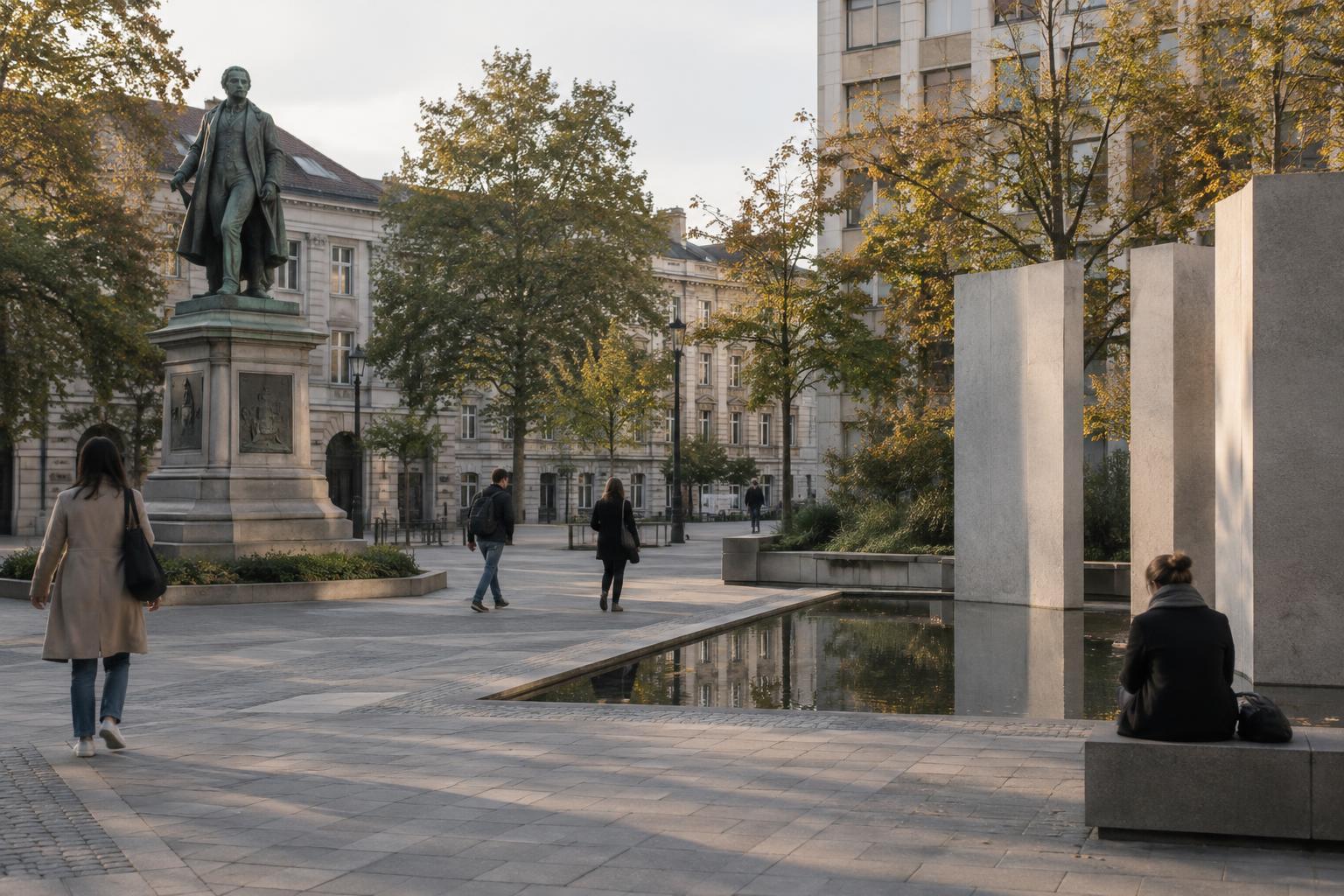
A monument often presents someone or something as worthy of public recognition: a person, an achievement, an event or an ideal. A memorial more often marks a loss and creates space to remember people affected by it. That distinction is useful, but it is not a rule. A statue can honor a life while inviting grief; a wall of names can express both mourning and civic pride. The terms describe intentions as much as physical forms.
In a city, both become part of an ordinary route. Someone may encounter one while walking to work, meeting a friend or waiting for a bus. This repeated contact gives public remembrance a different character from a page in a book. The object stays in place while its surroundings, and the people moving through them, change. Its meaning depends partly on what it was built to say and partly on how the city lives with it.
Celebration and reflection make different demands
Many monuments are designed to command attention. Height, a raised base or a central location can suggest importance before a visitor reads a single word. Such choices may encourage admiration, though they can also invite questions: Who was selected for honor? Who made that decision? Which parts of a life or event were left out? A monument’s confident appearance does not make the story it tells complete.
Memorials often make room for a quieter response. Names, empty spaces, paths or places to sit can ask visitors to pause rather than look upward. Yet not every memorial is solemn in the same way, and not every visitor comes to grieve. Some come to learn, some to remember a person they knew, and others simply discover the site while crossing the city. The distinction lies less in whether people stop than in what kind of attention the place invites.
Location becomes part of the story
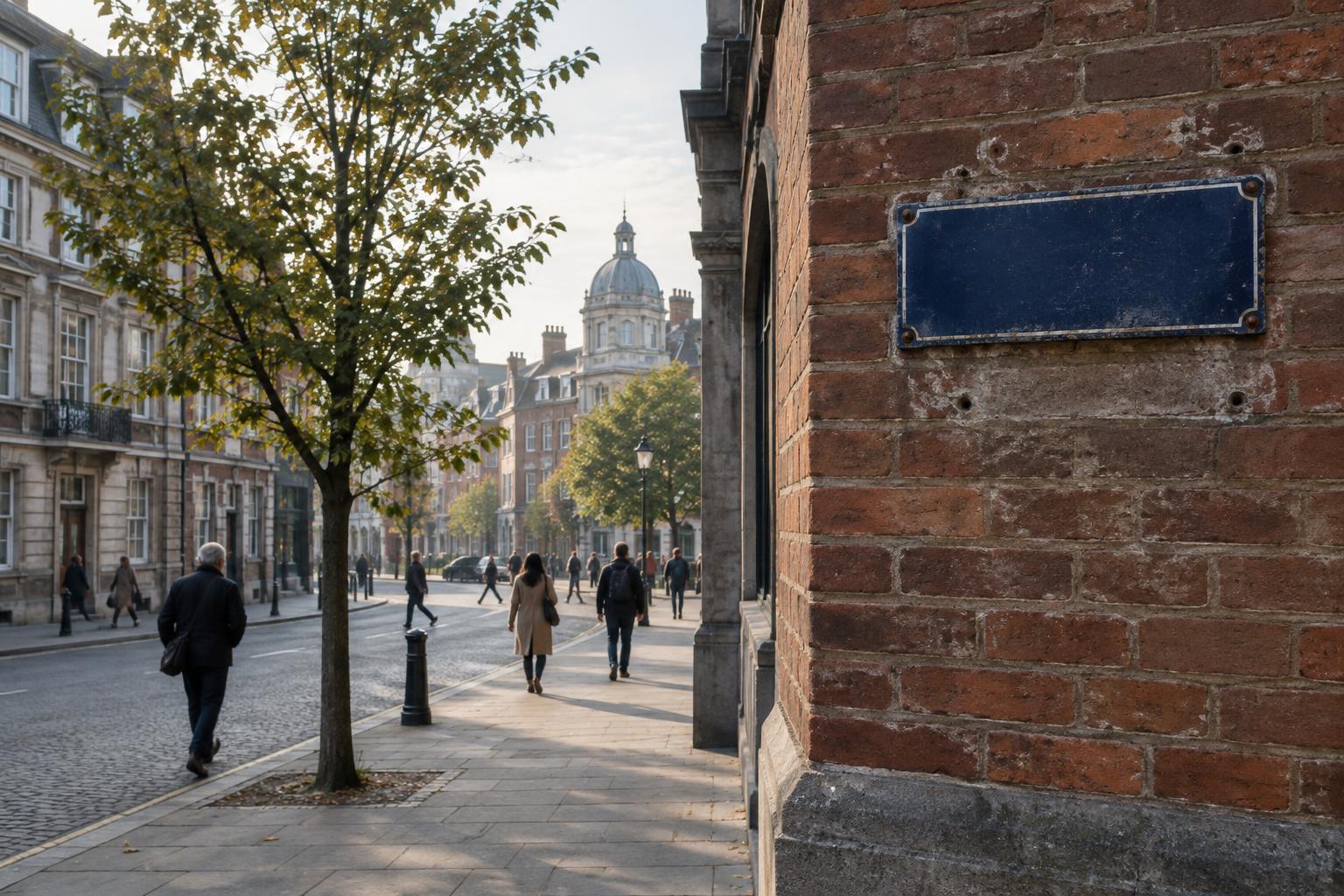
A marker at the site of an event can connect memory to a particular street or building. Elsewhere, a monument in a civic square may link its subject to the city as a whole. These settings shape interpretation. A name carved near a busy intersection meets the noise of traffic; a sculpture in a park may become familiar through picnics and daily walks. Public space gives commemorative objects audiences their makers cannot fully predict.
Placement also affects who can encounter a site comfortably. Is there room to gather? Can someone approach it without crossing a difficult street or climbing stairs? Does nearby signage offer context, or does the object assume that everyone already knows the story? Such practical details matter because memory in a city is not only symbolic. It is experienced by bodies navigating real spaces, often with limited time.
Public meanings can change
Cities do not remember with one voice. Residents may share a landmark yet disagree about what it honors, what it omits or whether it still belongs where it stands. A monument intended as a settled tribute may become a focus of debate. A memorial may acquire new significance as later generations bring their own questions to it. Neither response requires the stone or metal itself to change.
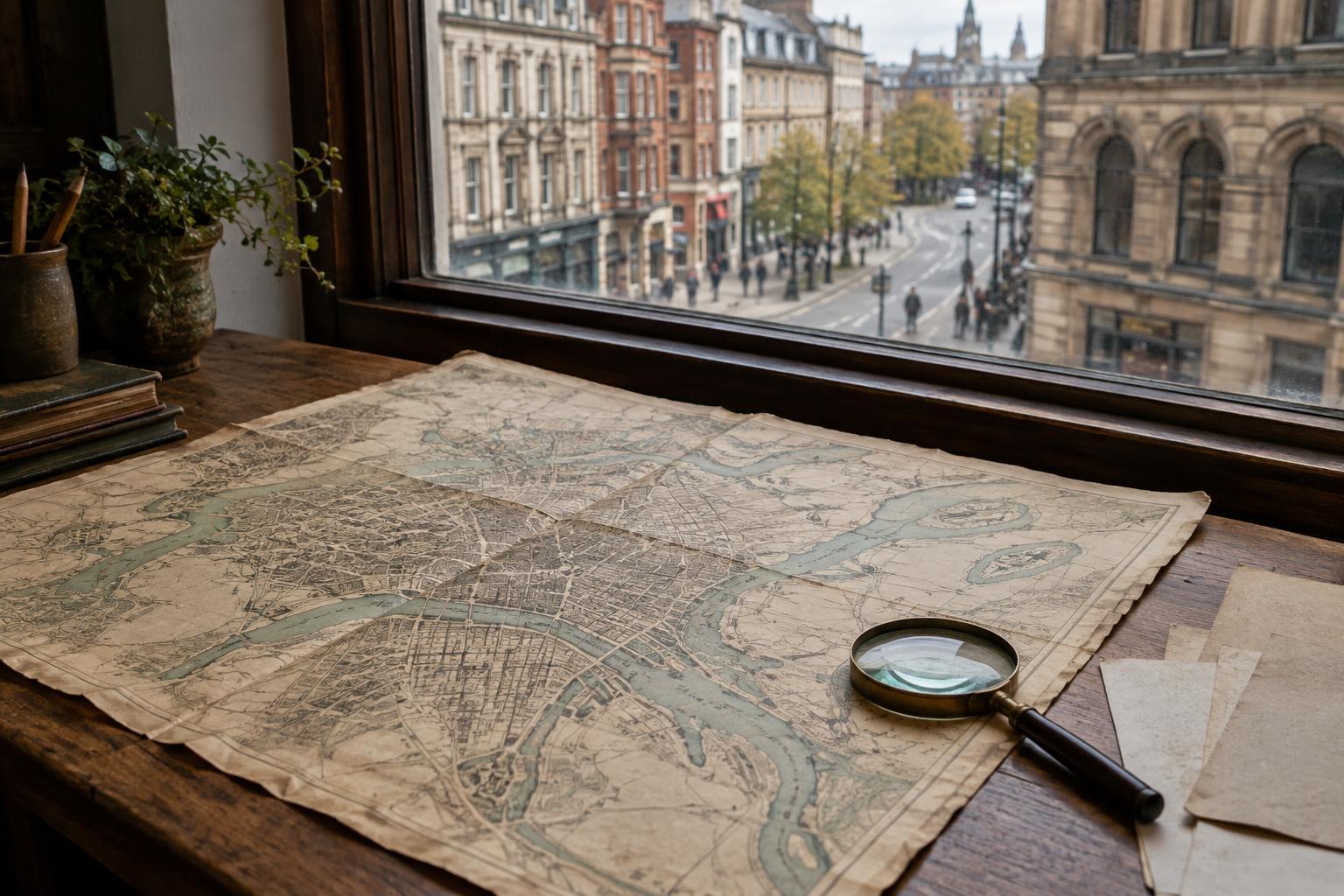
Context can make those disagreements more legible. A plaque, a nearby exhibit or a walking route can introduce perspectives that an original inscription left out. Sometimes people advocate a more substantial change to a site. The useful first question is not simply whether an object should remain untouched, but what story the public space currently tells and who gets a chance to tell it. Keeping, altering and moving are different choices, each with consequences for how people encounter the past.
How to read a city’s places of remembrance
On a walk, begin with the object itself. Notice its scale, materials, names and wording. Then look outward: What can you see from it, and who seems able to reach it? Consider whether it asks you to admire, mourn, learn or participate. If the answer is unclear, that uncertainty may be revealing. Public art and public memory rarely offer a single experience to everyone.
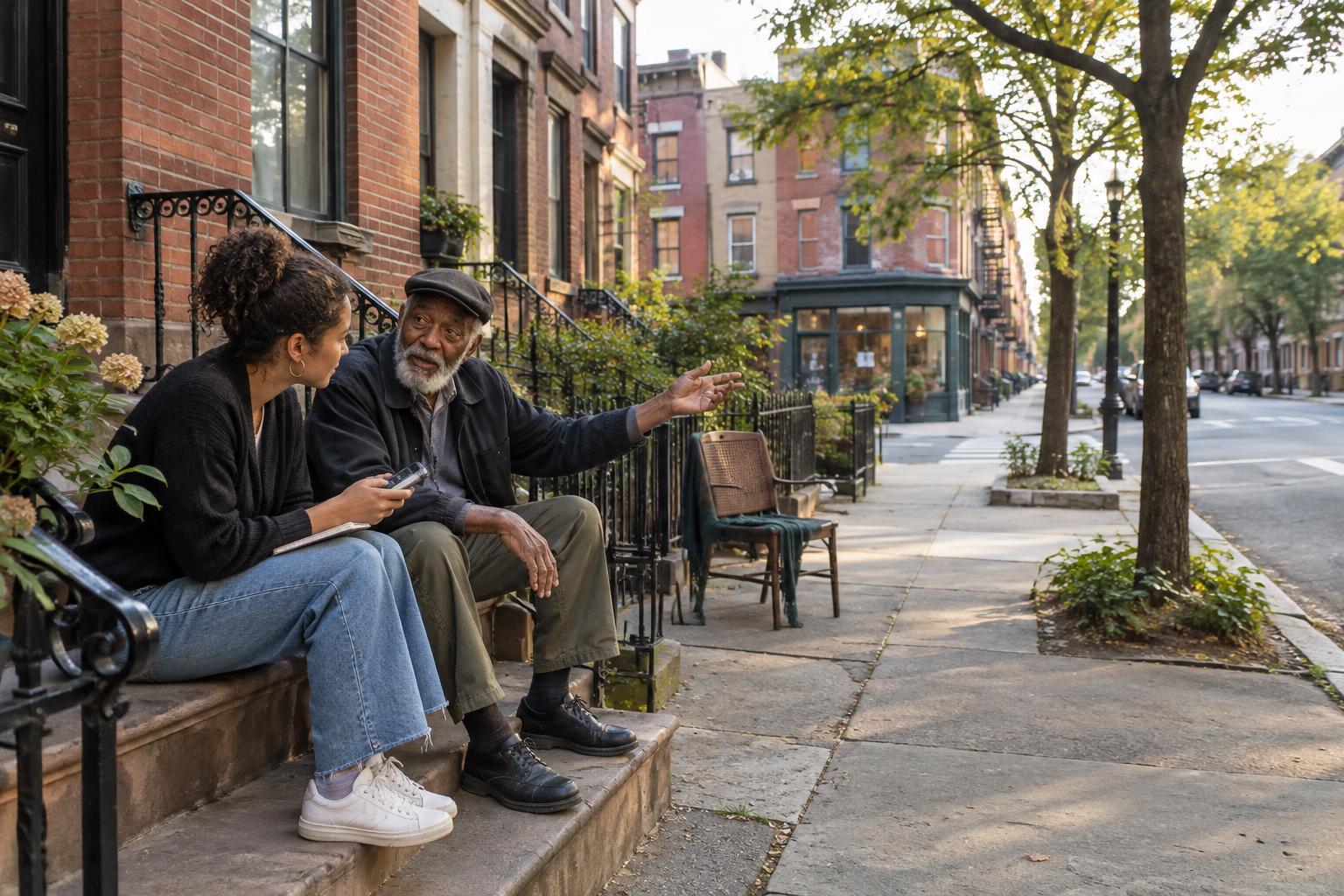
It is also worth noticing what has no marker. A city’s remembered places include ordinary streets, former gathering spaces and sites whose stories survive mainly through people rather than permanent structures. Monuments and memorials cannot hold every account of urban life. They can, however, start a conversation about which histories receive space and how a city might care for those it has chosen to make visible.