The line moves; the walk remains
A city boundary can change on paper in a moment. A neighborhood may be brought inside municipal limits, assigned to a different district or divided for administrative purposes. Yet a familiar walk to a shop or a friend’s door may look much as it did the day before. This mismatch makes boundary changes compelling subjects for writing about cities: the official answer to “Where is this?” can shift while the lived answer takes longer to settle.
For some residents, the new line may bring a welcome sense of recognition. For others, it may make a long-used place name seem less visible, or attach a new label to a home they have never thought of in those terms. Neither response has to stand for the whole neighborhood. A boundary change is not one story with a clean before and after; it is a set of overlapping stories told from different doorsteps.
What maps record and what they leave out
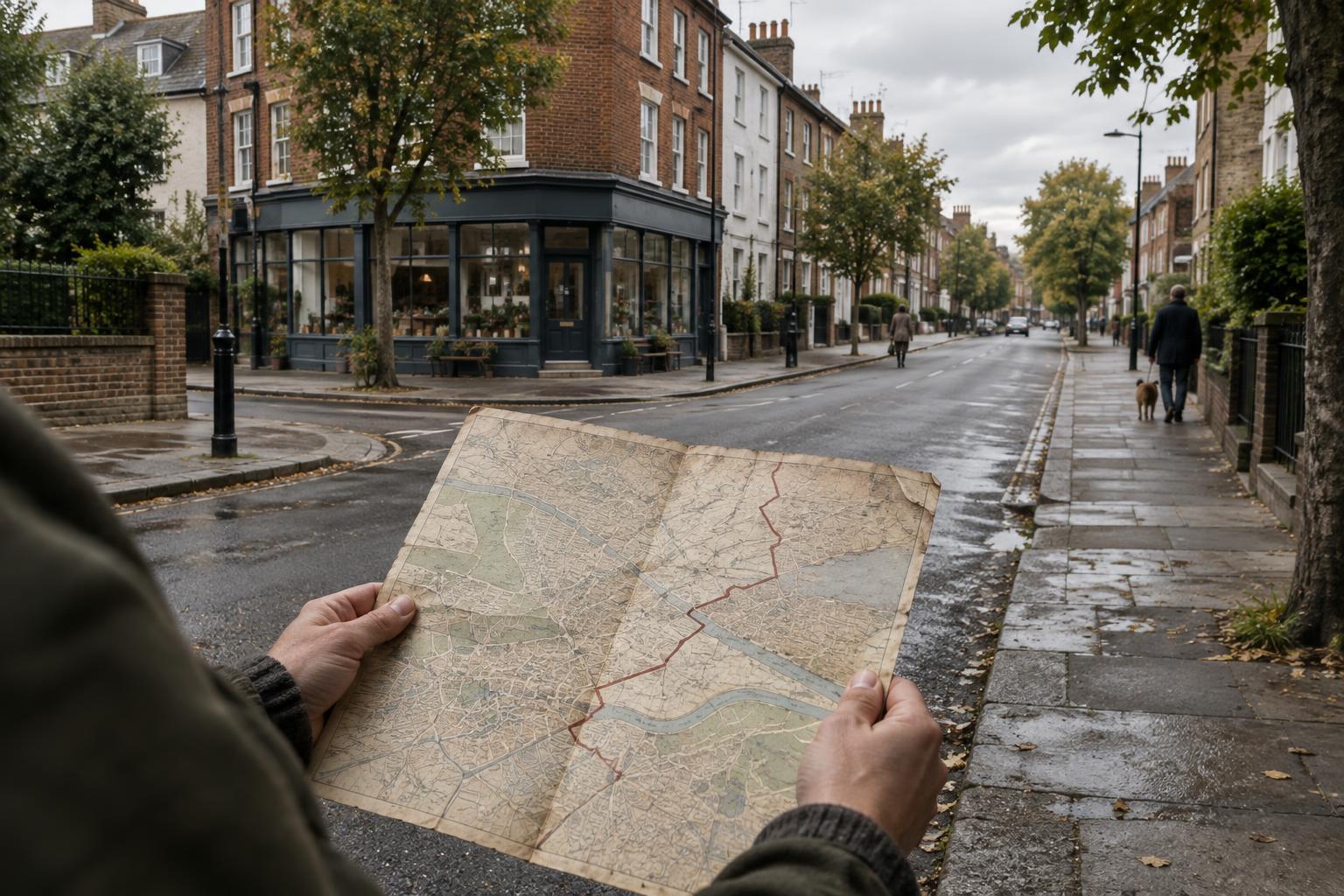
Maps are useful because they let us see the shape of a change. Set two maps beside each other and a newly drawn edge may be clear. But a map cannot show how someone gives directions, which side of a street they call home or why an older neighborhood name persists in conversation. Administrative lines answer specific questions about jurisdiction. They do not, by themselves, describe the full extent of a place as people remember it.
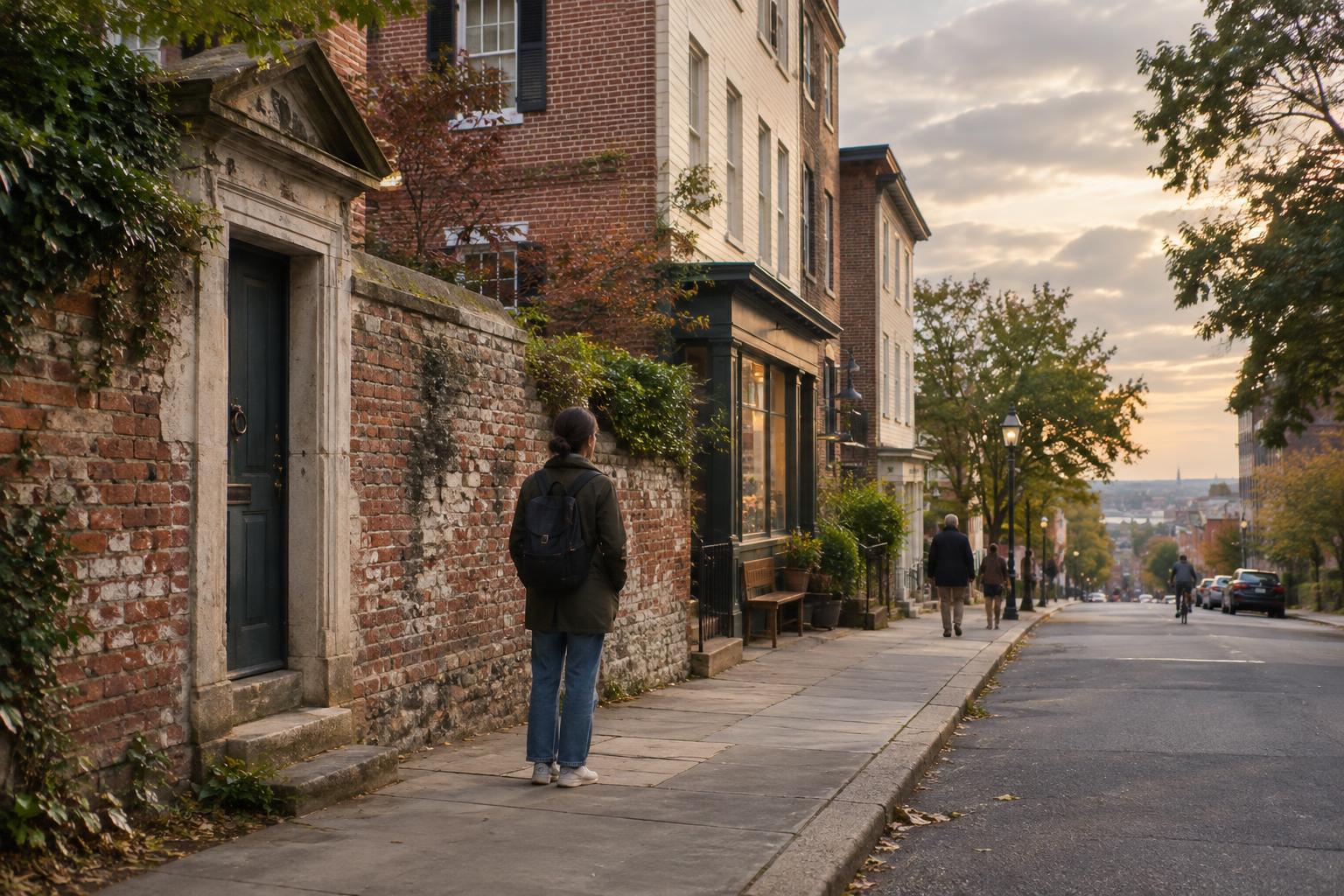
To write about a changed boundary, begin with a small, repeatable route: from a doorstep to a bus stop, along a shopping street, across a bridge. Note the names used for each place, then ask who uses those names and in what setting. A longtime resident, a recent arrival and a person who works there may describe the same route differently. The differences are not errors to be corrected against a map. They can reveal how people learn a city through habit, work, family and language.
Remembering without flattening the past
The phrase “before the boundary changed” can make an earlier city sound more stable than it was. Neighborhoods change even when their official outlines do not. Businesses close, households move and old landmarks acquire new meanings. Memories of the earlier line may preserve valuable details, but they may also reflect one person’s age, access or sense of loss. A careful account allows those limits to remain visible.
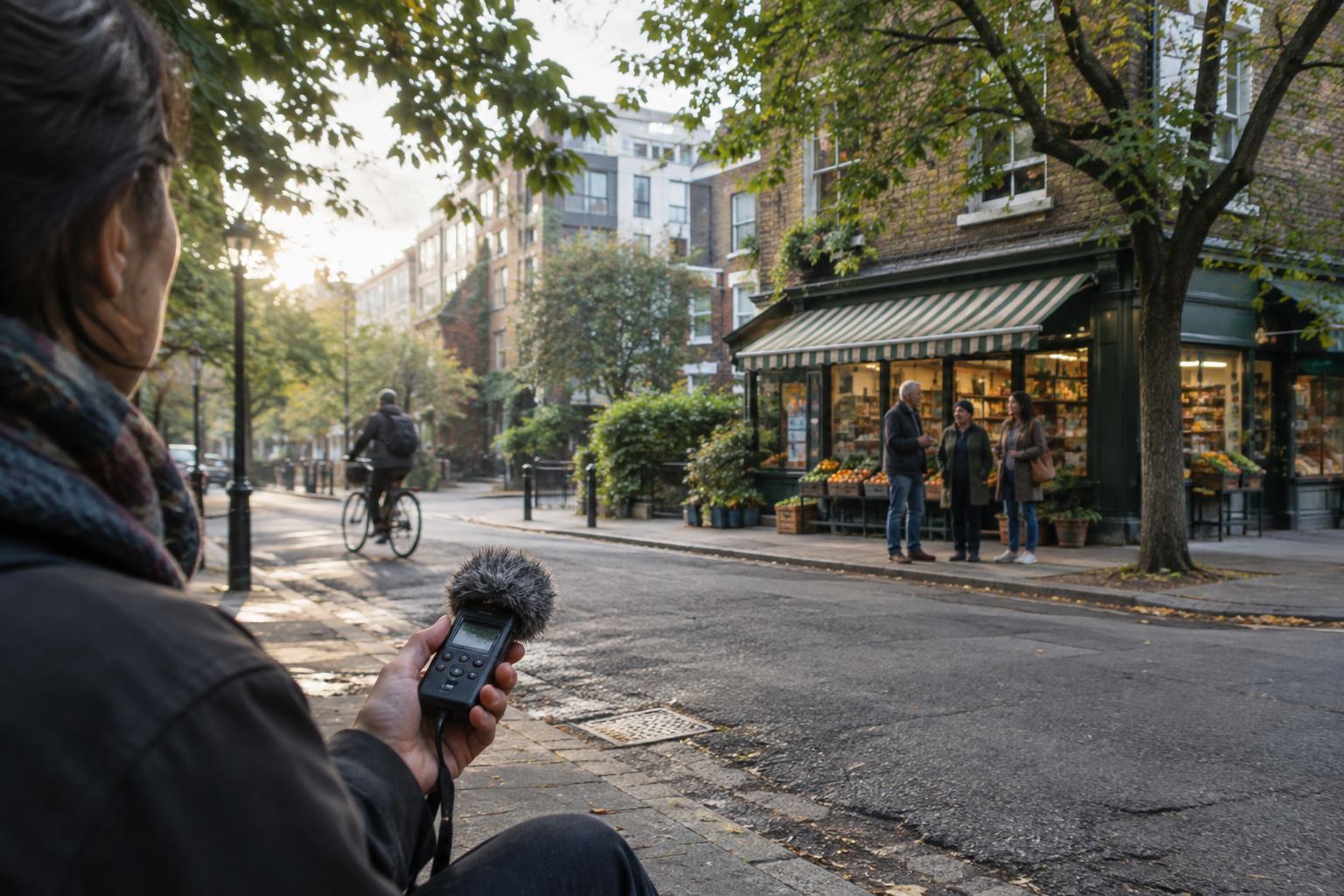
If you are gathering stories, ask about ordinary details as well as the moment of change. What address did someone give visitors? Which place name appeared on a letter, and which one did they use with friends? Did a route or a meeting place matter more to them than the district name? Such questions invite concrete recollections without demanding that anyone speak for an entire community. When memories conflict, keeping both versions in view may be more revealing than forcing them into a single account.
Writing the city in two tenses
A strong city story can hold the old and new boundaries at once. It might describe a corner as it appears on a current map, then follow the name someone still uses for it. It might trace how a person’s sense of belonging changes—or does not change—when an official designation does. Clear wording helps: distinguish between a documented boundary, a remembered neighborhood edge and a personal feeling about where the city begins. They are related, but they are not interchangeable.
This approach also asks the writer to consider whose memories are easy to find. A preserved sign or a published map may outlast the informal names passed between neighbors. If someone shares a recollection with you, record their words accurately and be clear about what you have not confirmed. Give people room to disagree about what a changed line meant. The aim is not to restore one definitive version of the city, but to show how a place can remain familiar while its description changes.
Eventually the question becomes larger than where the line sits. What does a city remember through its residents, and what does it make harder to name? Looking closely at one boundary can bring that question down to the scale of a daily walk: a person crosses a street, reaches a familiar door and calls the place by the name that still makes sense to them.