A city is made of arrivals
A city can appear settled when seen from a map. Streets have names, buildings have addresses, and neighborhoods have borders that look definite on paper. Yet many of the people who give those places meaning arrived from somewhere else, whether across an ocean, from a nearby town, or from another part of the same city. Their movements become part of the city’s memory even when no plaque records them.
Migration is not one story with one beginning. People move for work, safety, education, family, curiosity, or a combination of reasons that may change over time. Some expect to stay; others imagine a temporary stop and build a life there. To understand a city’s past, it helps to ask not only who arrived but how they found housing, made connections, adapted familiar habits, and changed the places around them.
Everyday places hold traces
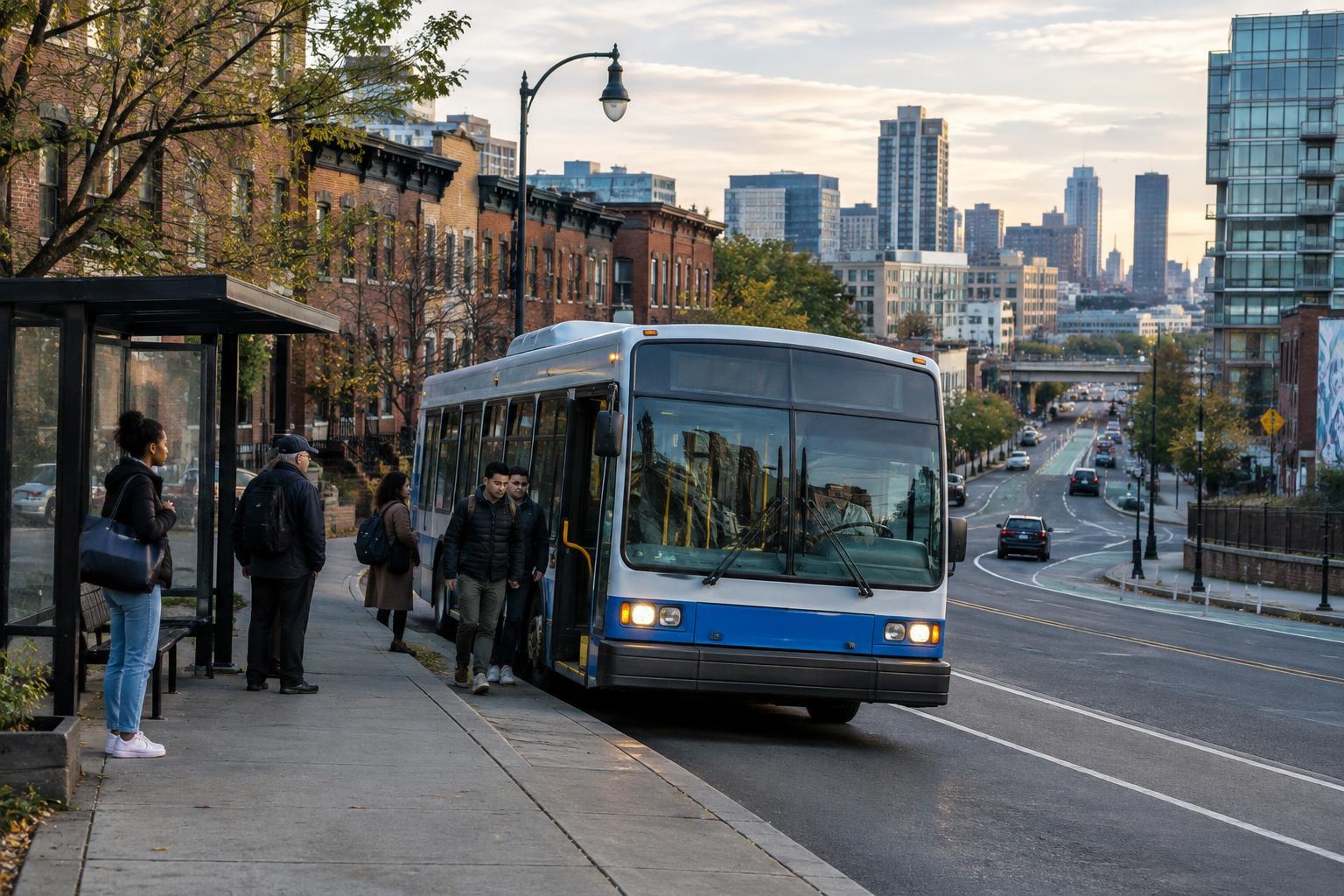
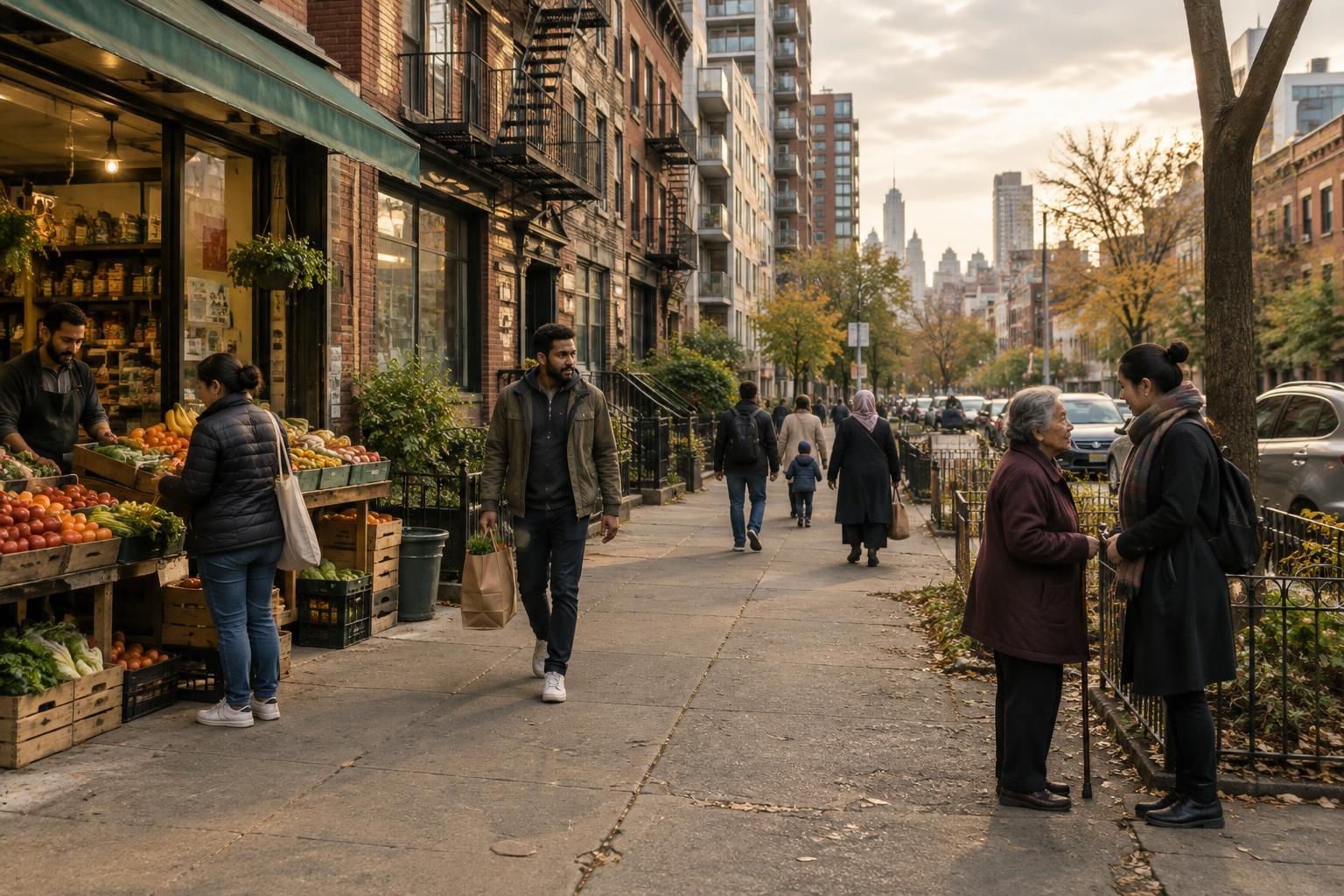
Urban memory often lives in ordinary places: a grocery that stocks ingredients from several traditions, a community hall rented for celebrations, or a bus route that connects work and home. These places may not be grand or permanent, but they give shape to daily life. A shop sign can mark the presence of a language; a familiar meeting point can help newcomers make an unfamiliar district navigable.
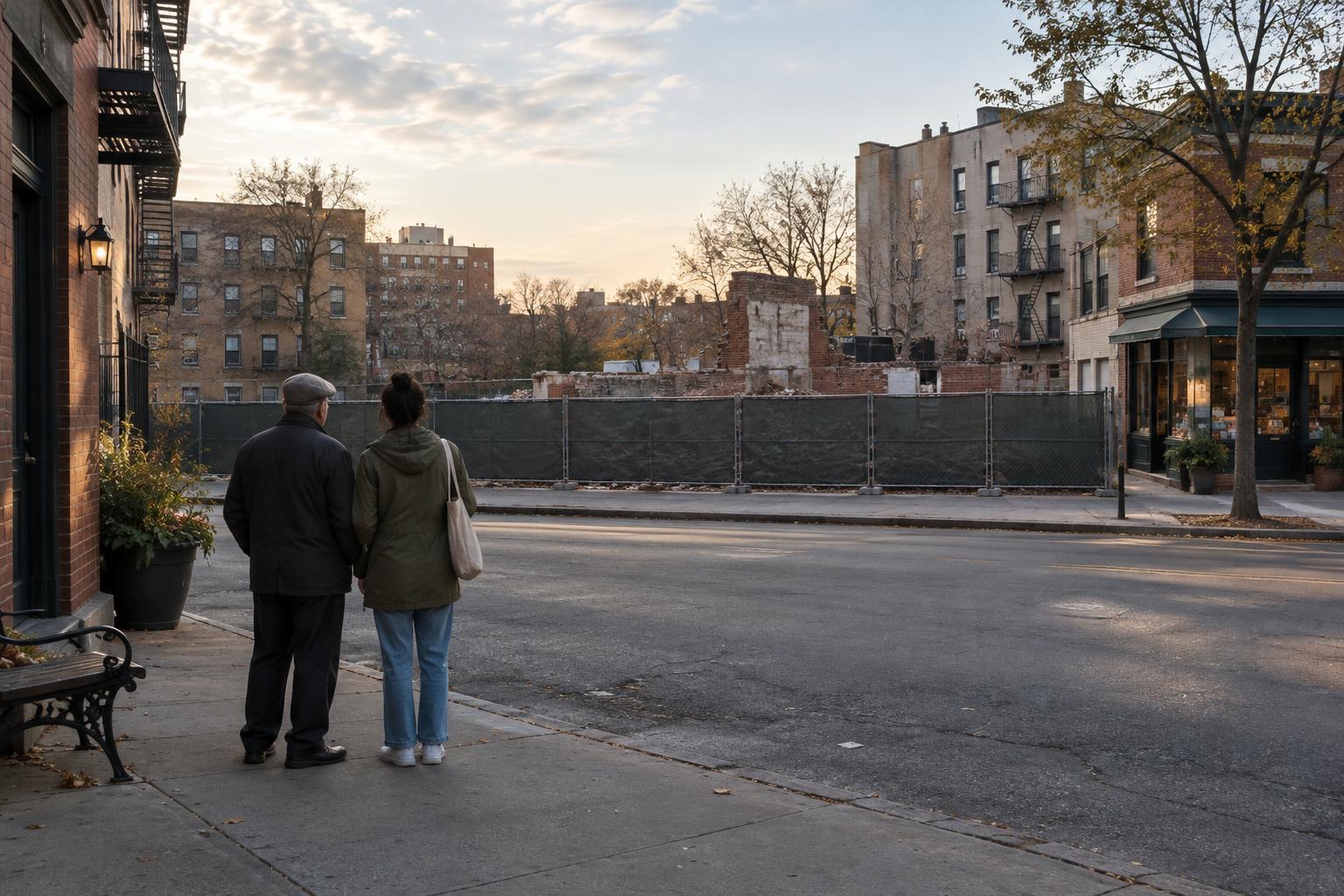
Such traces are easy to miss because cities keep changing. Businesses close, families move, and buildings take on new uses. A storefront remembered as a place of welcome by one generation may look unremarkable to the next. That does not make the memory less real. It shows why accounts of a city need attention to the small-scale places where people met, shared information, cared for one another, and developed routines.
Memory travels through language and story
Migration changes the sounds of a city as well as its streets. Languages and accents travel through kitchens, schools, workplaces, and public spaces. Words for foods or local landmarks can pass between neighbors, while families may use different languages for different parts of life. These everyday exchanges can leave lasting impressions even when they are difficult to capture in an official record.
Stories carry a more personal geography. Someone may describe a neighborhood by the relatives who once lived there, the first job they found, or a building where they felt out of place. Their child might remember the same area differently. Neither account has to stand for the whole community. Read together, such memories reveal how belonging is negotiated across generations and why a single neighborhood can hold several versions of its past.
What a city remembers, and what it overlooks
Public accounts of urban history tend to favor what can be named and dated: a major building, a formal organization, a celebrated resident. Those records matter, but they can leave quieter forms of labor and community life out of view. People who cleaned offices, prepared meals, translated for neighbors, or made room for new arrivals also helped build the city, even when their names do not appear on its landmarks.
Remembering migration also means resisting an overly comforting story of diversity. Arrival can involve loneliness, discrimination, uncertain work, and the loss of familiar surroundings. Later changes in housing costs or land use can push people away from places they helped shape. A fuller urban memory makes room for both the creativity of new communities and the unequal conditions under which people have had to make a home.
Listening for a layered city
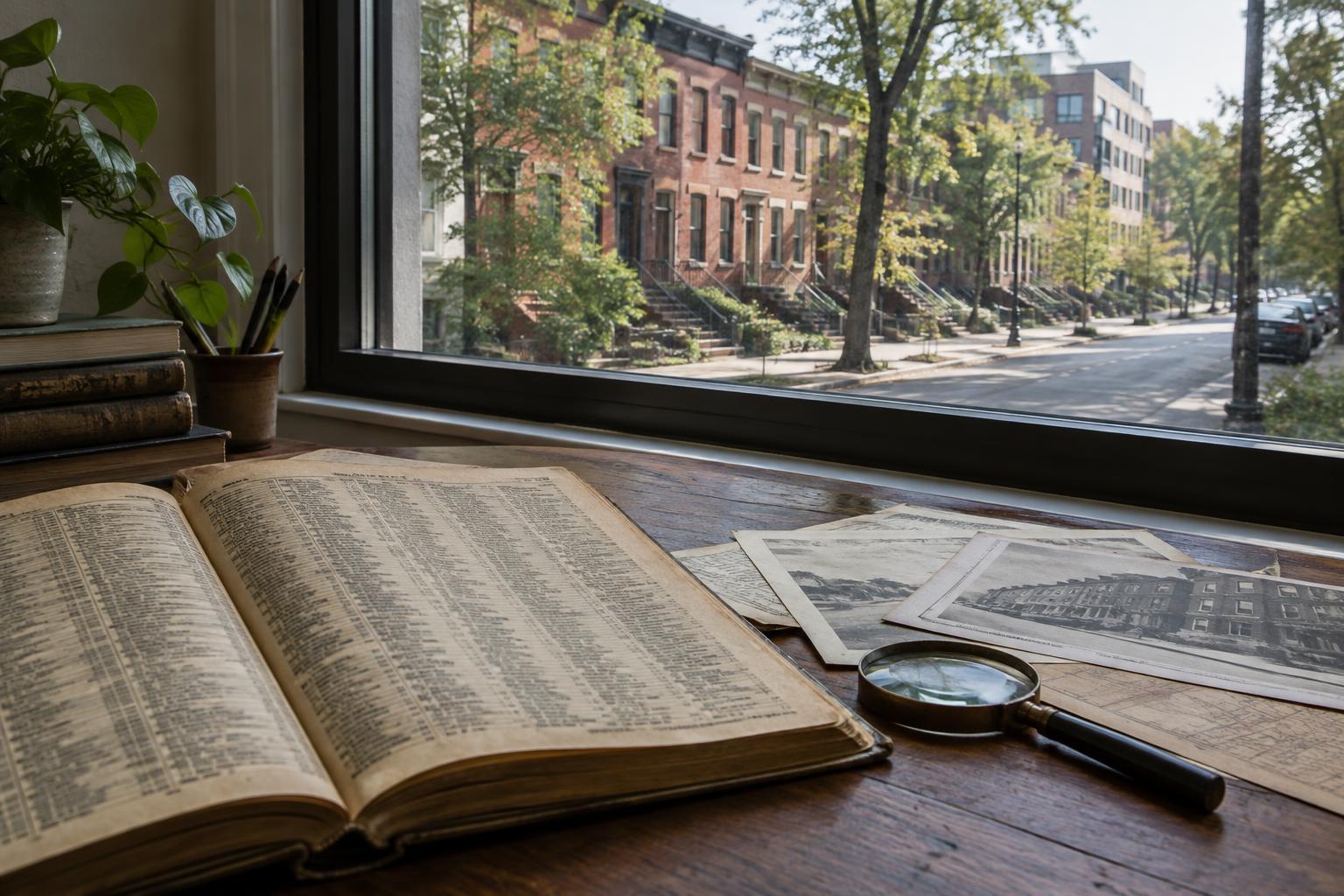
One way to notice these layers is to begin with a specific place and ask who has used it at different times. A library, market, school, or apartment block may connect lives that otherwise seem separate. Photographs and written records can offer clues, while conversations can illuminate what those records cannot show: how a place felt, who was welcome, and what changed.
Listening requires care. No one person should be asked to speak for an entire group, and a remembered detail need not be treated as a complete history. But placing different accounts beside one another can make a city more legible. Migration does not simply add new chapters to an established urban story. It changes how older places are understood, which stories are passed on, and what residents might choose to remember next.