The ordinary power of a street sign
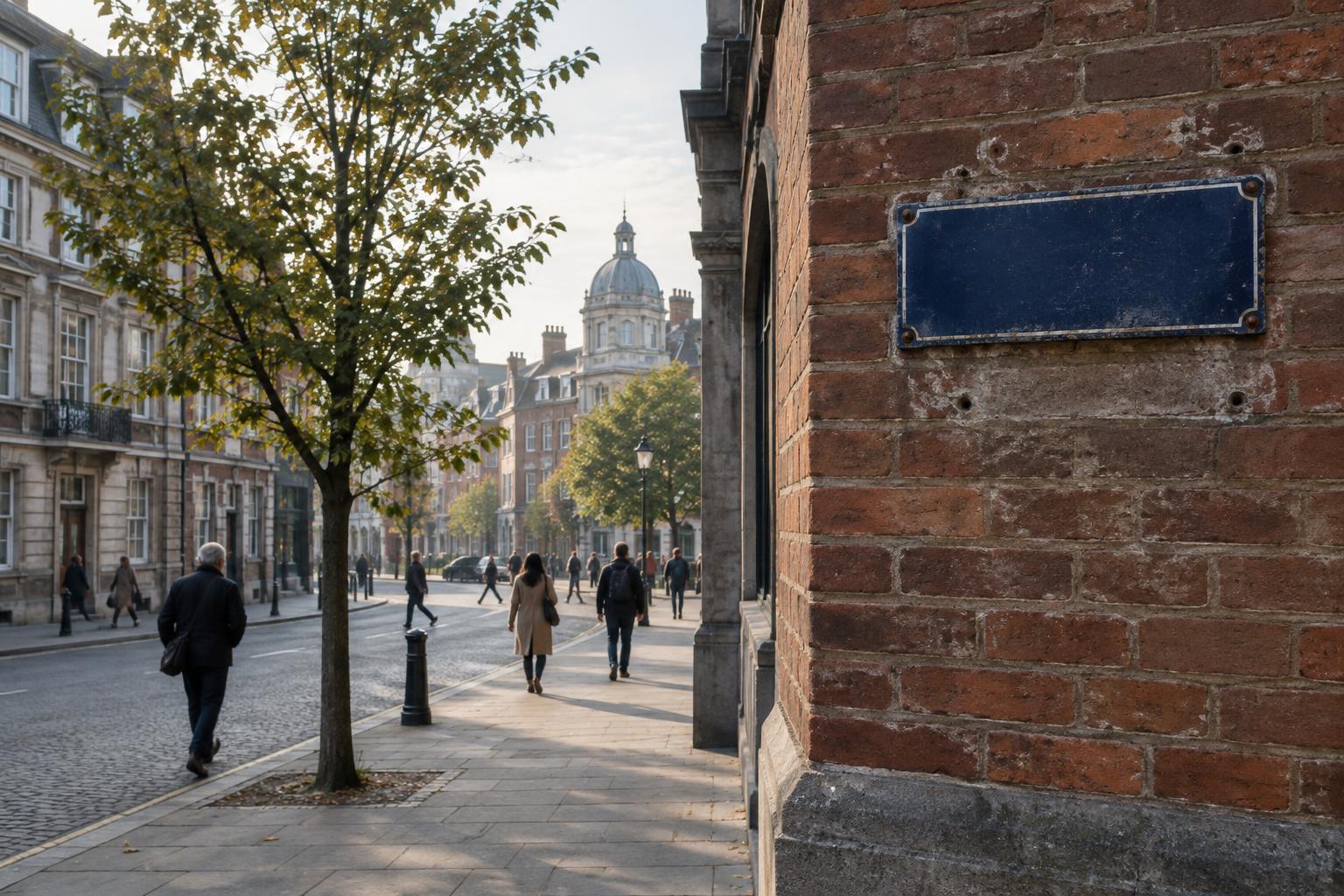
A street name is easy to overlook. It appears on an envelope, in a set of directions and on the corner sign we pass without slowing down. Yet repetition gives a name a quiet authority. A person honored on a street sign becomes part of the city’s everyday vocabulary, even when most residents know little about their life. A name does not tell the whole story, but it can invite a question: why was this person chosen?
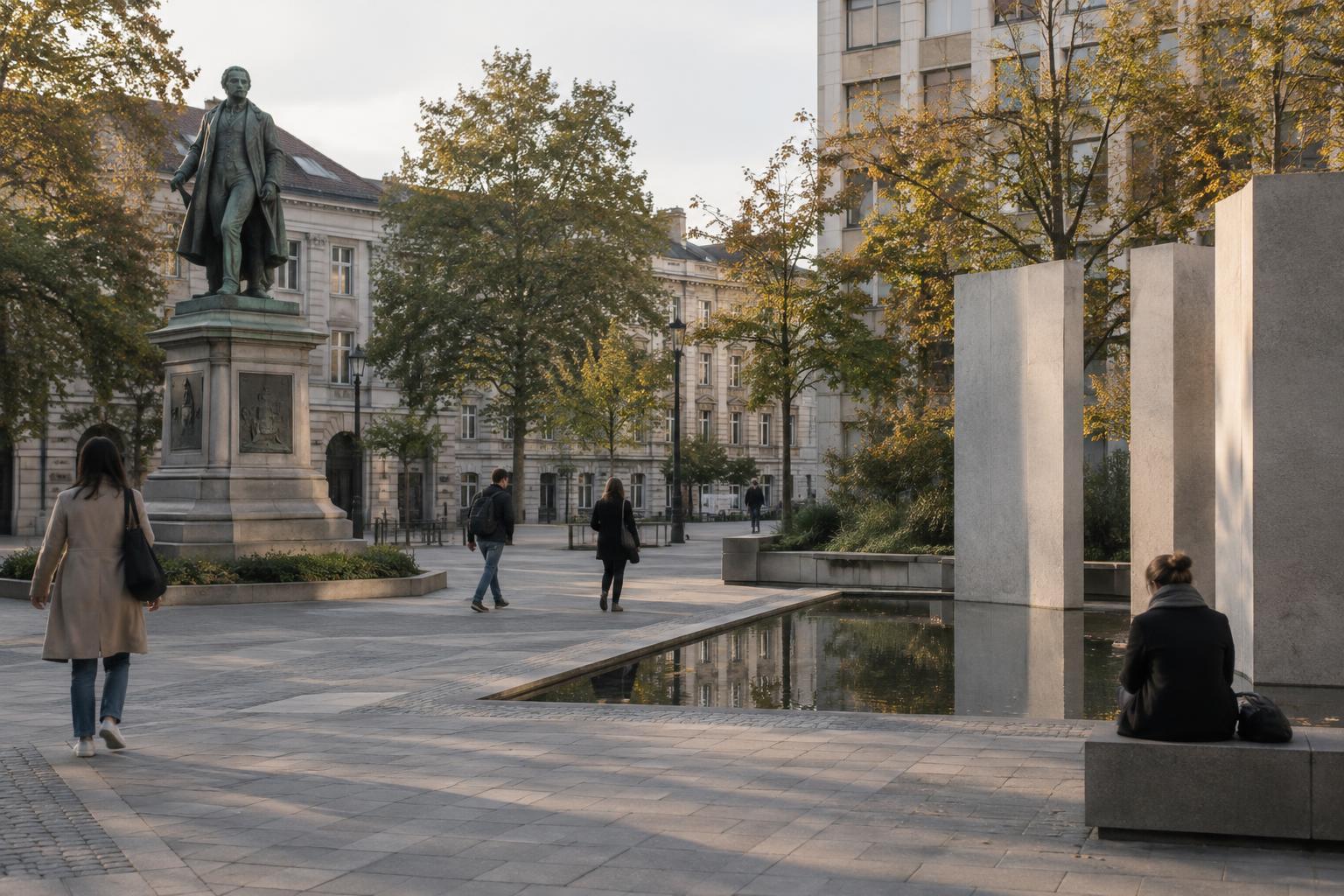
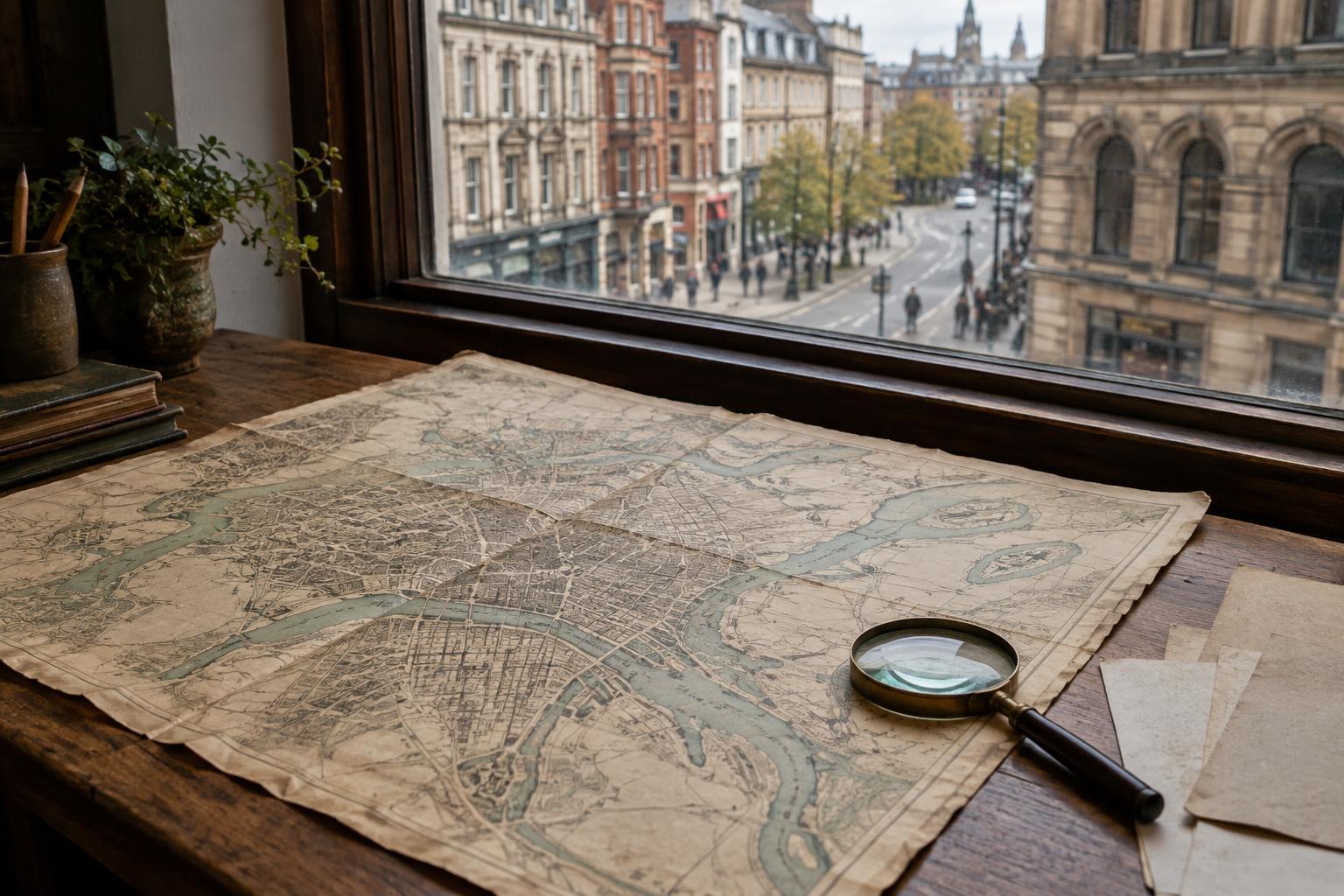
Not every street name commemorates someone. Names may describe a landscape, preserve an older route, reflect a developer’s choice or follow a practical scheme. Even so, the collection of names across a neighborhood forms a kind of public record. Reading that record means noticing both what it says and what it cannot say: whose work has been made visible, which places are remembered and which histories have been reduced to a single word.
How recognition becomes part of the map
Street naming is a selection process, not a neutral summary of everyone who shaped a place. A commemorative name may reflect admiration, but also the priorities of the people and institutions able to propose, approve or fund it. If those decision-makers drew from a narrow idea of civic achievement, the resulting map may emphasize prominent officials and property owners while leaving less room for workers, organizers, artists and caretakers.
Absence is harder to read than presence. A missing name does not prove that a community forgot someone; people may be remembered through stories, gathering places, murals or family traditions instead. Nor does a person’s appearance on a sign guarantee that their full history is understood. Still, patterns of omission matter. When similar kinds of people receive recognition again and again, a map can begin to suggest that only certain kinds of lives count as public history.
Look beyond the name itself
To read a street name closely, start with its setting. Is the name on a major road or a short lane? Does a plaque explain it, or must a passerby guess? What names surround it? A sequence of signs can tell a different story from any one sign alone. It may reveal how a city presents its founders, how a district describes its landscape or how a later development chose to market a sense of heritage.
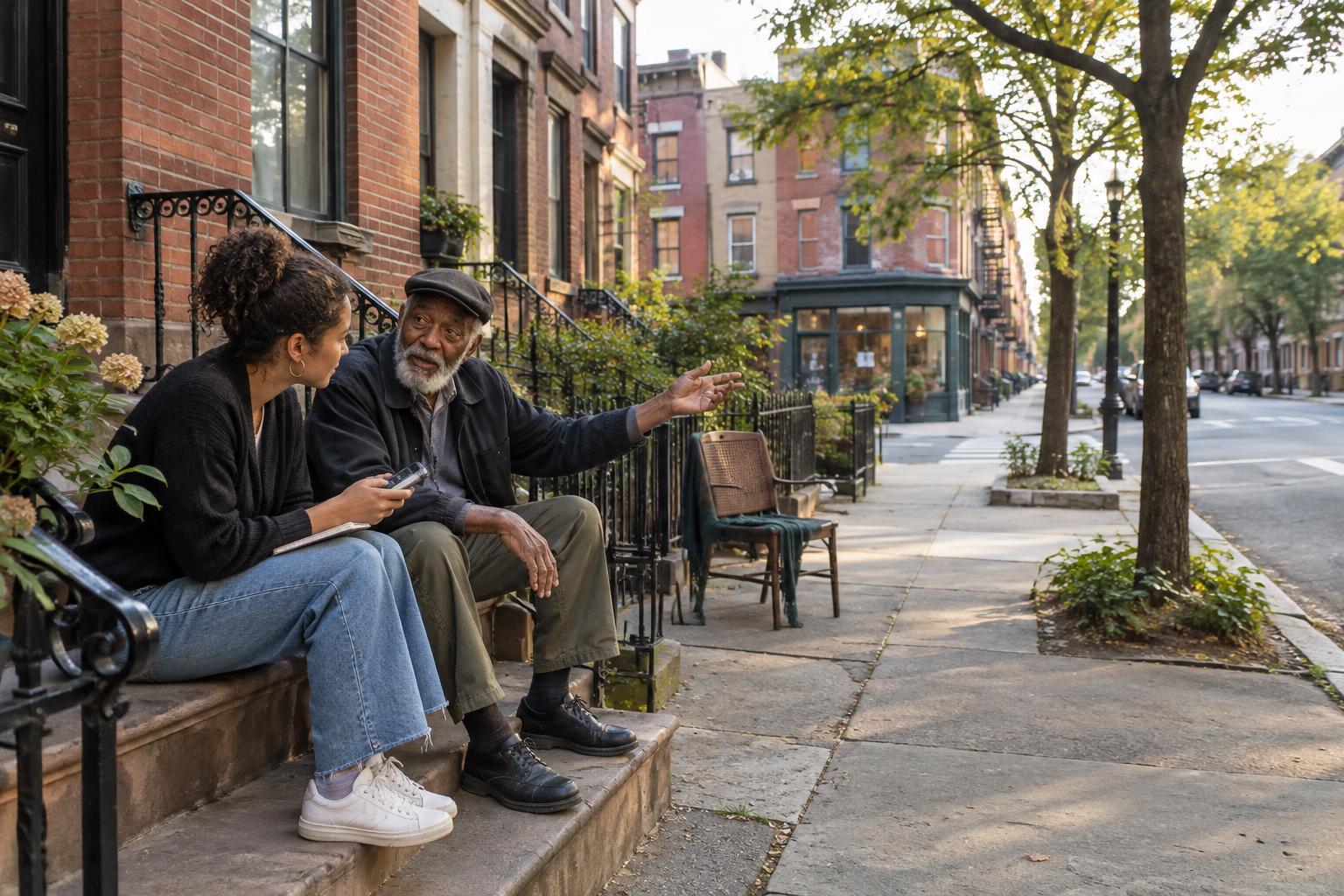
Local accounts can add another layer. Residents may use an older name, pronounce an official name differently or connect a corner to events no sign records. Such memories are valuable, though they can also vary from person to person. A careful account makes room for that variation rather than treating one recollection as definitive. It asks not only what a name officially means, but how people live with it.
Why renaming is more than replacing a sign
When a commemorative name honors someone whose actions are contested, a call to rename the street may express a desire to change what the city publicly celebrates. Others may worry that removal will make a difficult past easier to ignore, or that changing an address will create confusion and expense. These concerns need not be dismissed to recognize the central distinction: remembering a person’s history is not the same as continuing to honor them in a public space.
A thoughtful discussion can consider more than two choices. A community might rename a street, add clear historical context, preserve an old name in an archive or pair a change with public storytelling about why it happened. The right approach will depend on the place and the people affected. Whatever the outcome, a transparent process should make room for those who use the street every day, not only those with the loudest voices in the debate.
Making space for fuller memory
A more inclusive naming practice begins by asking what forms of contribution a city has overlooked. Public memory can make room for people who sustained neighborhoods through teaching, mutual aid, cultural work and ordinary acts of care, as well as for places and histories that do not fit a single person’s name. Gathering suggestions is only a beginning; explaining choices and listening to disagreement are part of the work too.
Street signs cannot carry every story. Their brevity is precisely why they deserve attention. A name can prompt someone to learn more, while a gap can prompt someone to ask who has not been recognized. Seen this way, the map is neither a complete history nor a fixed verdict. It is an invitation to notice how a city tells its story—and to consider who should help tell the next part.