A city does not remember on its own
Urban memory is the way people encounter, preserve and interpret a city’s past. The phrase does not mean that streets have minds. It points to a shared process: residents tell stories, institutions keep records, buildings survive or disappear, and new generations decide what those traces mean. A corner shop may remind one person of childhood errands and another of a neighborhood that has become too expensive to live in. Both memories belong to the place, even if they tell different stories.
This is why urban memory is more than a list of historical events. It includes personal recollections, family accounts, public monuments, street names, photographs, local writing and the habits of daily life. Some traces are easy to see. Others become noticeable only when someone asks why a building has changed, why a route has a particular name or why an older neighbor calls an area by a name missing from the map.
The built city holds traces of change
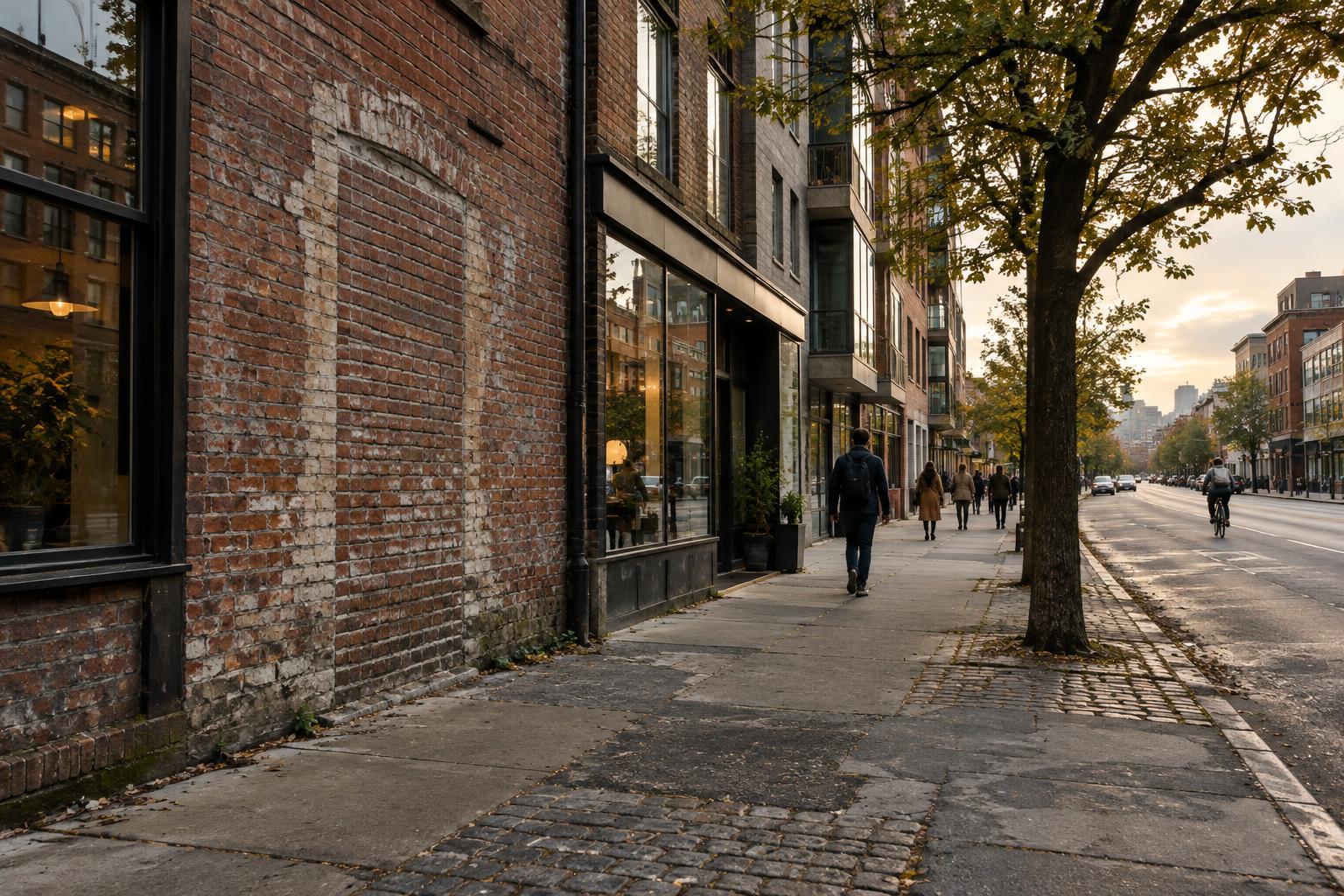
Buildings and streets can make earlier choices visible. A former factory converted into apartments may suggest a shift in how an area is used. A road that divides two neighborhoods may shape how people move between them. Even a small detail, such as an old doorway within a newer storefront, can prompt a question about what stood there before. These features are not complete explanations. They are starting points for learning how a place has changed.
Absence matters, too. A demolished cinema may leave no visible trace, yet people might still use it as a landmark when giving directions. A vanished row of homes may live on in photographs or conversations. Paying attention to what is missing can reveal how redevelopment changes more than the appearance of a street: it can alter familiar routes, gathering places and people’s sense of belonging.
Whose memories become public?
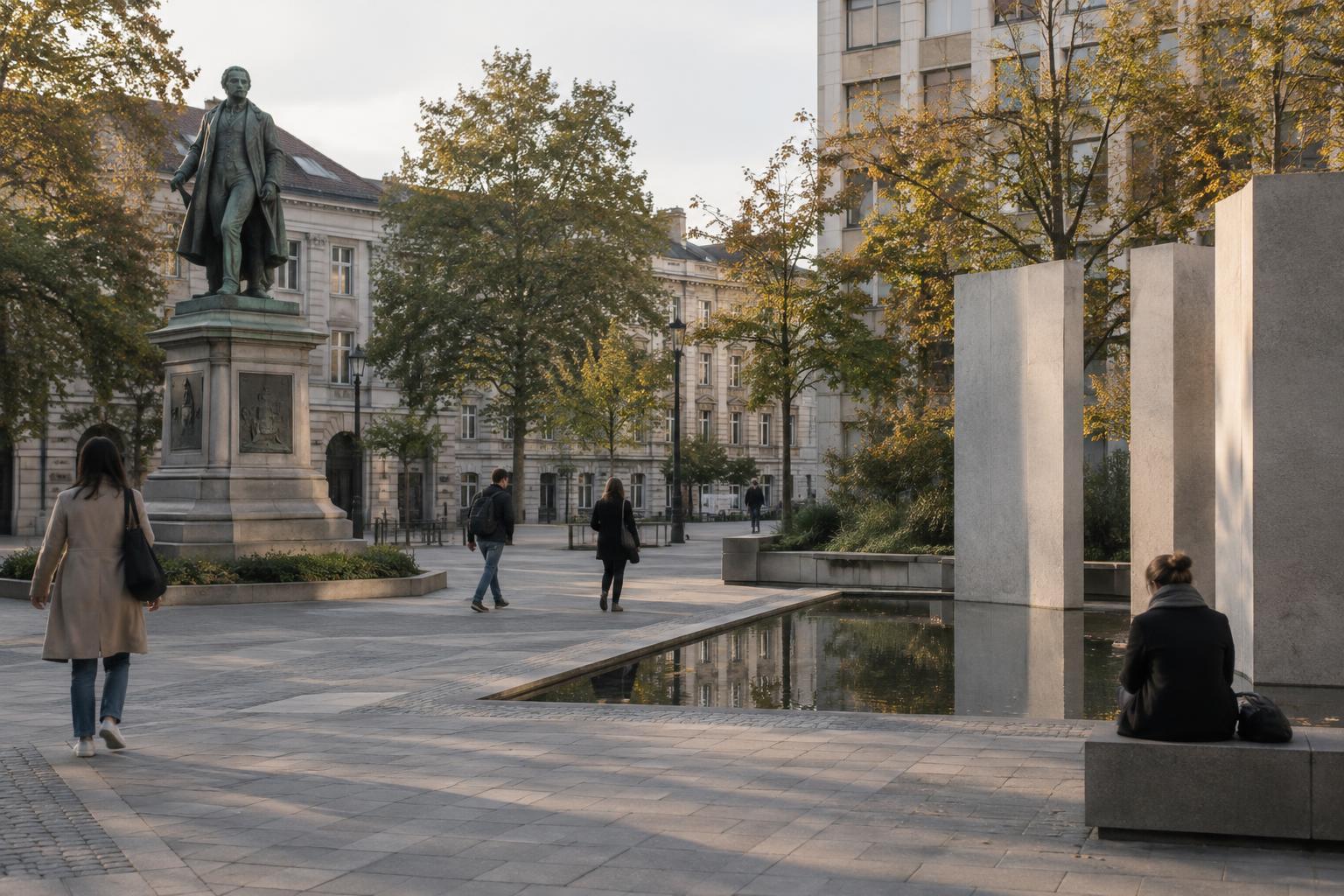
Cities remember unevenly. Plaques, museums and official names tend to give some histories a durable public form, while other experiences remain in kitchens, community gatherings or private collections. A monument may honor a prominent figure without explaining the labor of the people who built the surrounding neighborhood. An official account of a district may emphasize its architecture while saying little about the residents who made a life there.
That does not make personal memory automatically more accurate than a public record. People forget, disagree and tell stories from their own positions. But disagreement is useful: it shows that a city’s past is not a single voice waiting to be repeated. Asking who created an account, what it leaves out and who can challenge it makes urban memory more open to examination. The goal is not to replace one tidy story with another. It is to make room for the complexity that tidy stories often conceal.
Memory is made in the present
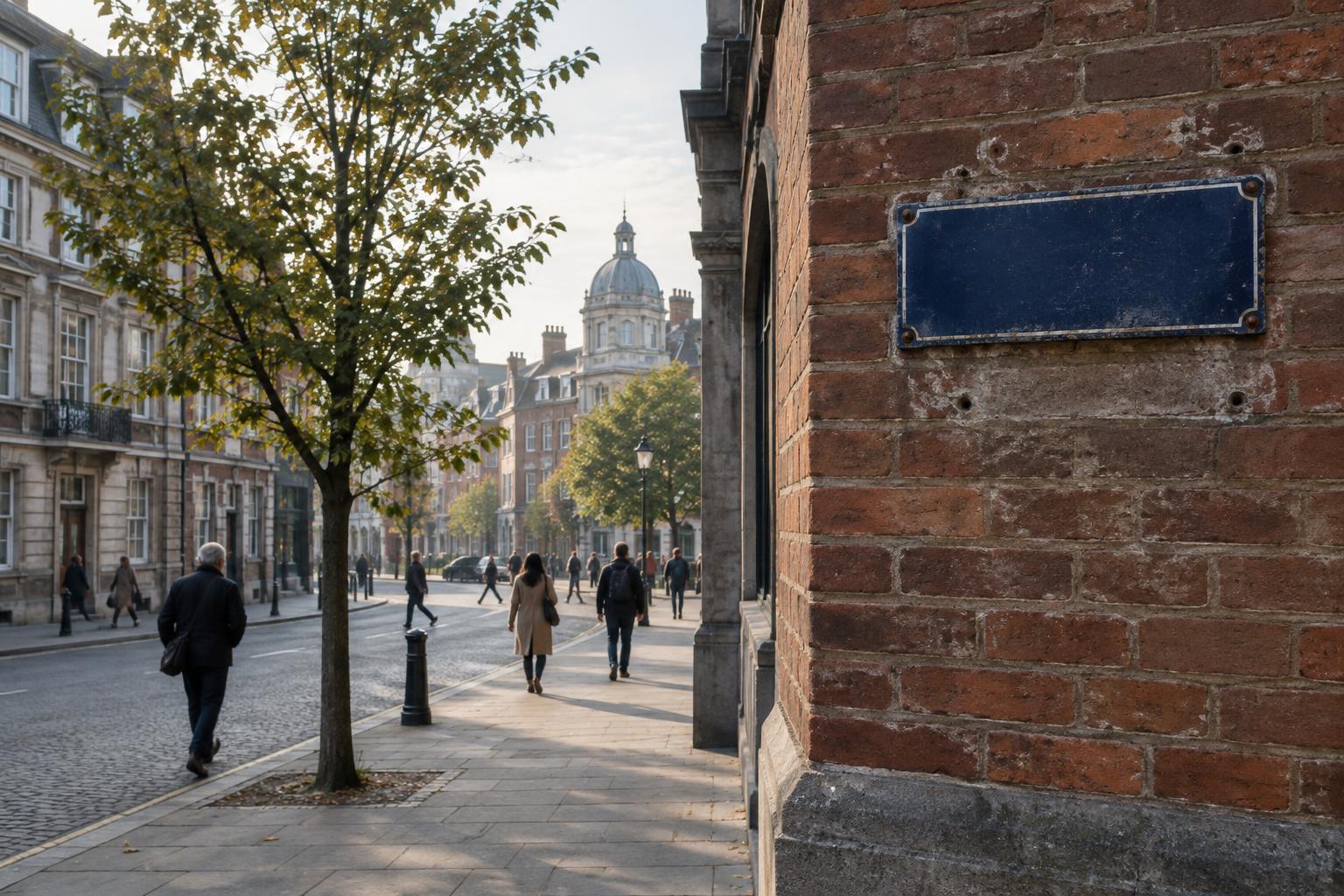
Remembering a city is also a present-day activity. People choose which photographs to display, which buildings to maintain and which stories to pass along. A new mural can draw attention to a history that nearby residents have long known. A restored sign can change how passersby understand a storefront. These choices do not simply preserve the past; they shape how the past is encountered now.
Literature offers another way to notice this process. A poem might give an ordinary bus stop emotional weight, while a short story can show how two characters experience the same block differently. Neither needs to serve as a factual record to be valuable. Writing can help readers imagine the layers of attachment, loss and possibility that coexist in a place. It also reminds us to distinguish a writer’s created scene from evidence about what actually happened.
How to notice urban memory where you live
Begin with a familiar route rather than a famous landmark. Walk it slowly, if you can, and note a few things that seem to belong to different periods: an older sign, a changed building use, a name you do not recognize. Then ask what each detail tells you and what it cannot tell you. A weathered wall might suggest age, but it cannot, by itself, explain who lived nearby or why the street changed.
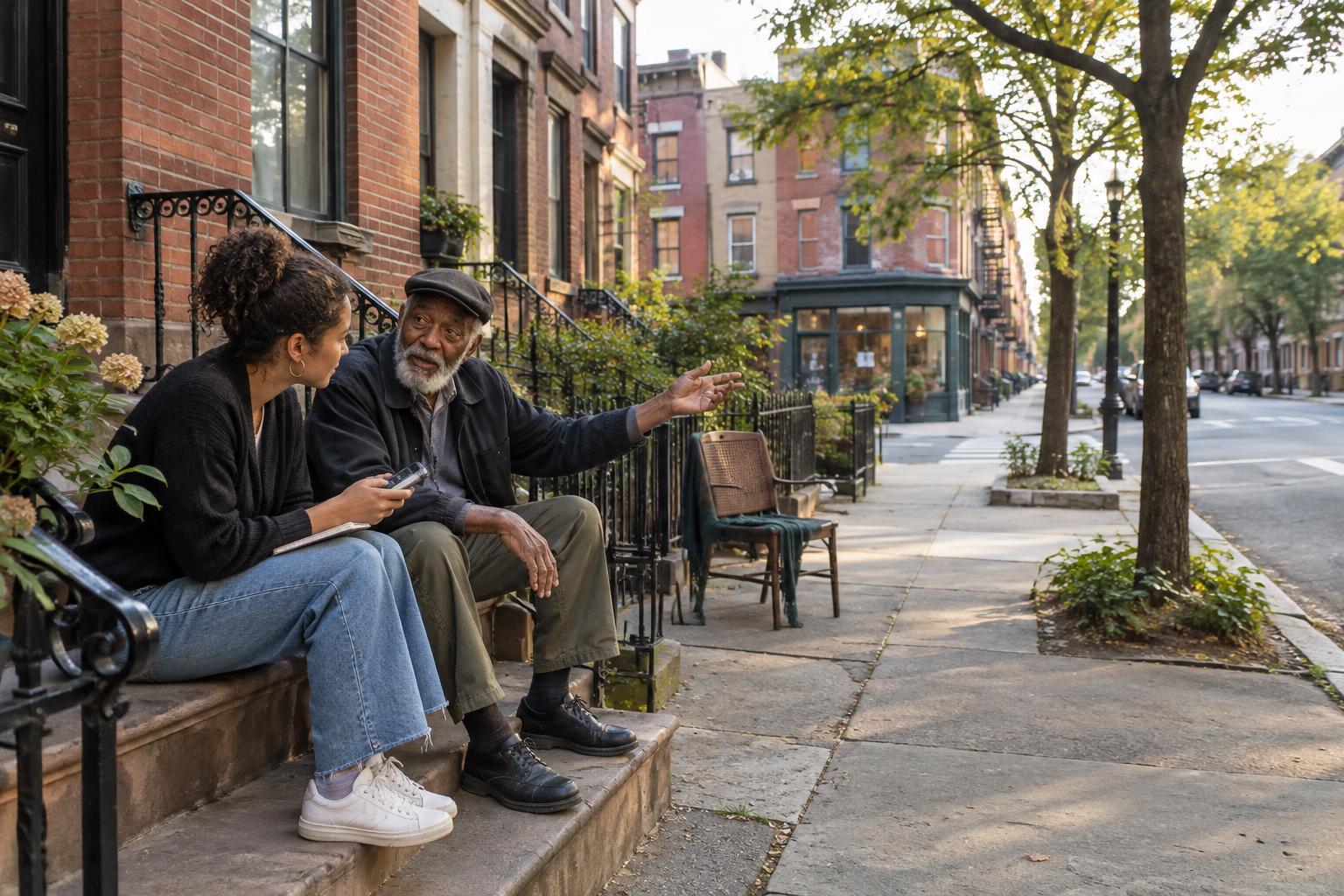
Next, compare perspectives. You might look at a library’s local collection, read writing set in the area or ask someone willing to share how they remember it. Treat any one account as a piece of the story, not the whole story. If you write about what you learn, separate what you observed from what someone told you and from what you are imagining. Urban memory becomes richer when curiosity is paired with care: attention to ordinary places, respect for other people’s experiences and a willingness to leave some questions open.