A map of priorities
A transit map appears to answer a simple question: how do I get from here to there? It also raises a harder one: which journeys has a city made straightforward, and which require extra time and effort? A line connecting residential streets to a hospital, a school or a commercial district suggests a relationship between those places. The shape of that line may reflect decisions made at different moments, as neighborhoods grew, destinations changed or connections became more important.
Routes are not a complete account of those decisions. A straight line on a diagram can conceal a long walk to the stop, an infrequent service or a difficult transfer. Still, tracing a route is a useful way to begin reading the city. It directs attention away from landmarks alone and toward the everyday paths that allow people to work, study, visit family and take part in public life.
What changes along the line
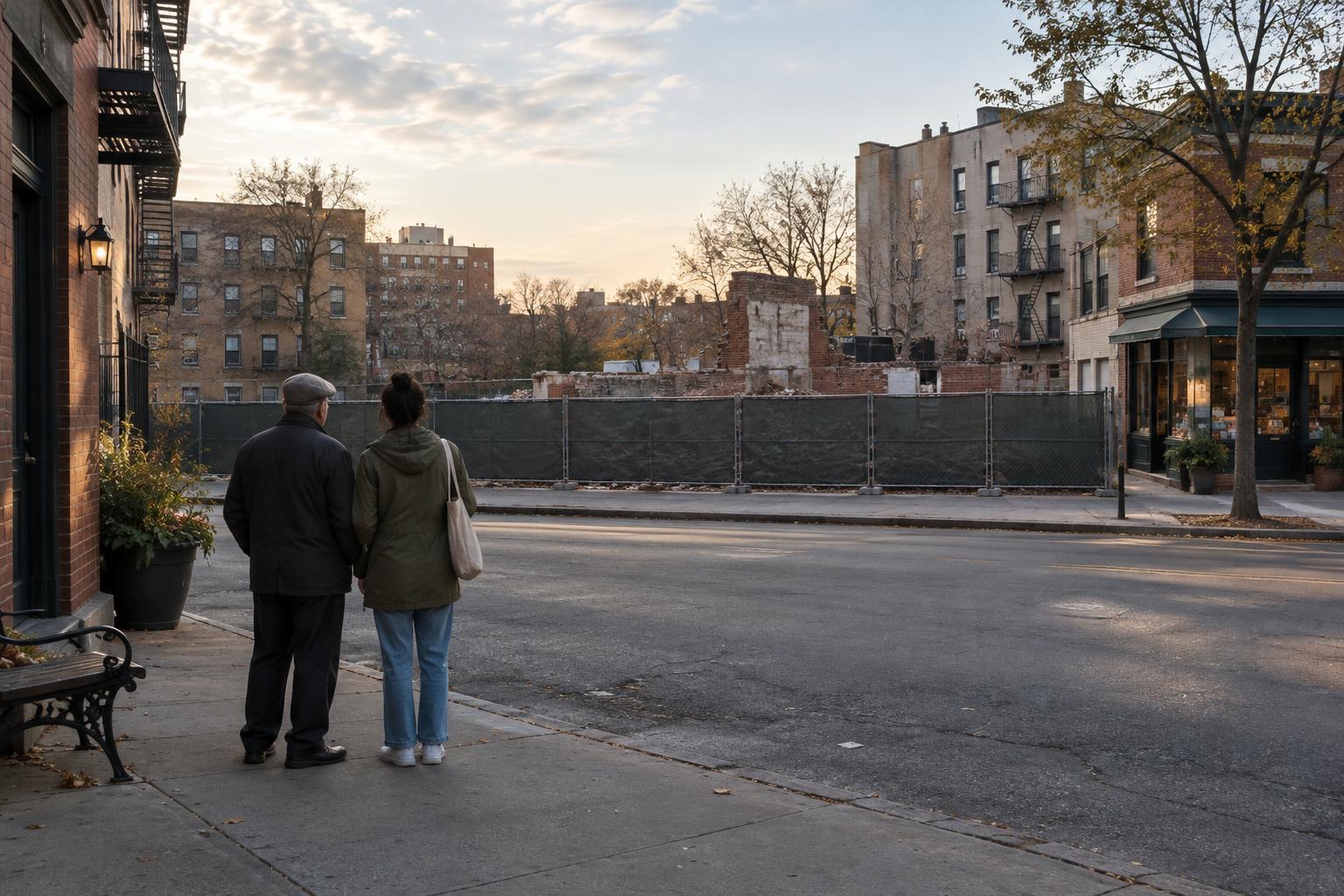
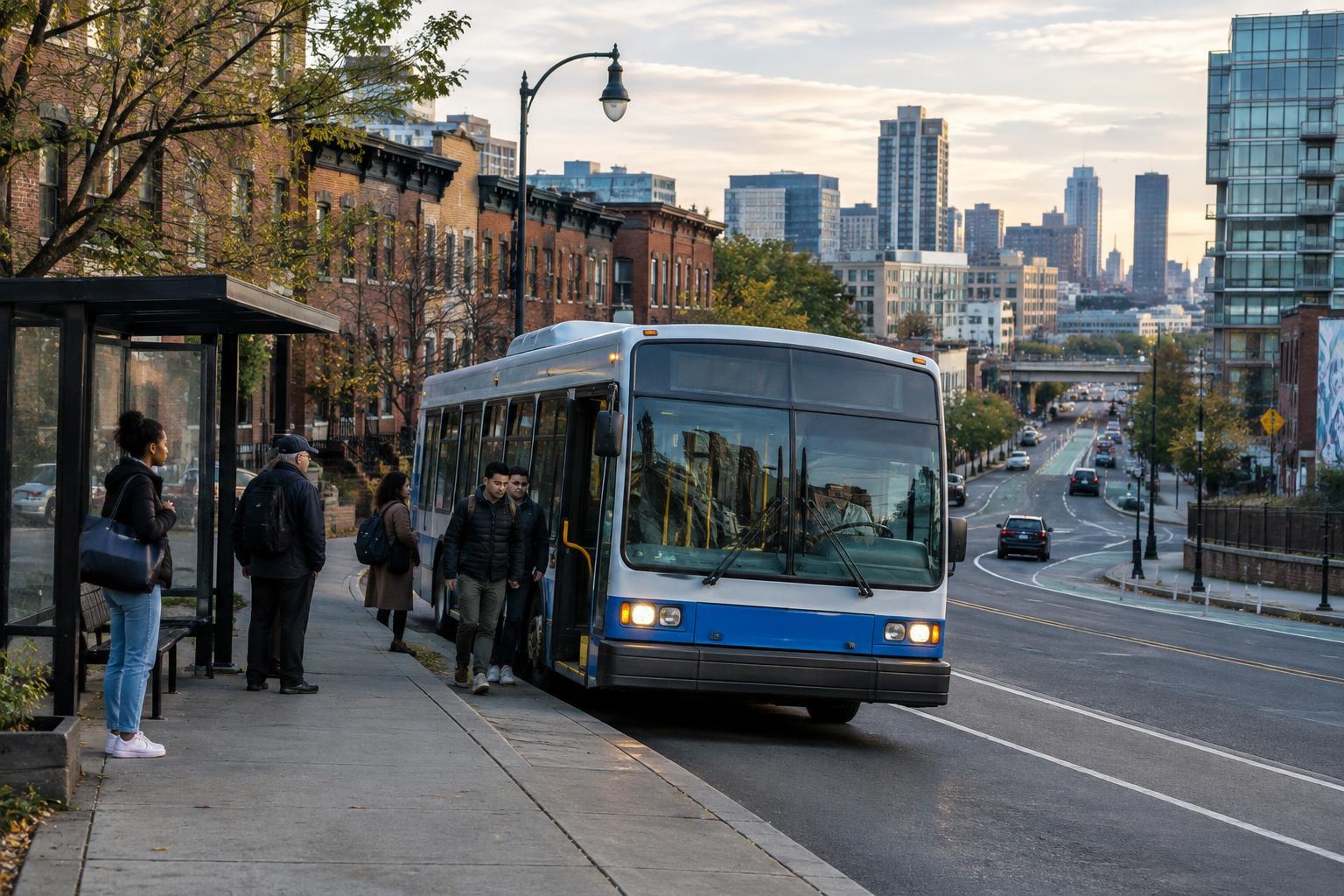
A route can keep its name while the streets around it change. A stop once associated with a small row of shops may come to serve new housing. A former destination may lose its prominence, even as the line remains familiar to long-time riders. Looking out from a bus window, a passenger might notice a shift from workshops to apartments, or from a busy storefront to a vacant lot. None of these observations explains the change by itself, but each invites a question about what was there before.
The ride also shows how uneven change can be. Development may cluster near one stop while another area sees little investment. A new attraction may bring visitors without making local errands easier. To understand a route as a record, it helps to distinguish what is visible from what is inferred. Buildings and signs can be described; the reasons for their arrival or disappearance usually require more context.
The memory carried by passengers
A route belongs partly to the people who use it. Someone may remember taking it to a first job, visiting a relative or learning the geography of an unfamiliar city. Another rider may associate the same line with a missed connection or a long wait after an evening shift. These memories give a journey meaning that no official map can display.
Personal accounts can also reveal how place names outlast the places they describe. People may still refer to a stop by a shop or gathering place that is gone. Such names are small acts of orientation: they connect present travel to an earlier version of the street. Yet there is no single shared memory of a route. A fond recollection for one passenger may overlap with a period of exclusion or disruption for another, so listening across experiences matters.
Reading the gaps and transfers
The most revealing part of a transit journey may be where the line ends. A map can make adjacent neighborhoods look close while leaving no direct connection between them. The need to change vehicles, cross a wide road or walk the final stretch can shape whether a trip feels manageable. These gaps are especially easy to overlook when describing transit only from the perspective of a person who rides it occasionally.
Schedules add another layer. The same route can offer very different possibilities depending on when someone needs to travel. A service that suits a daytime appointment may be less useful for a late shift or an early visit. Rather than treating access as a simple matter of whether a stop exists, it is worth asking what a complete trip demands: time, planning, physical effort and the ability to absorb a delay.
Writing a route without flattening it
For a writer, riding or tracing a route offers a structure: a sequence of stops, crossings and returns. That structure can support a poem, an essay or a story without turning passengers into scenery. Begin with observable details—the view at a transfer point, the change in street width, the distance between a stop and its destination. Keep the narrator's position clear. What a rider notices on one trip is not a verdict on a neighborhood.
A useful account can hold several times at once: the route as it is experienced now, the earlier journeys people recall and the future journeys they hope will become possible. Transit does not preserve a city unchanged. It records change through repetition, as people travel familiar paths and find that the places around them, and sometimes the paths themselves, have shifted.