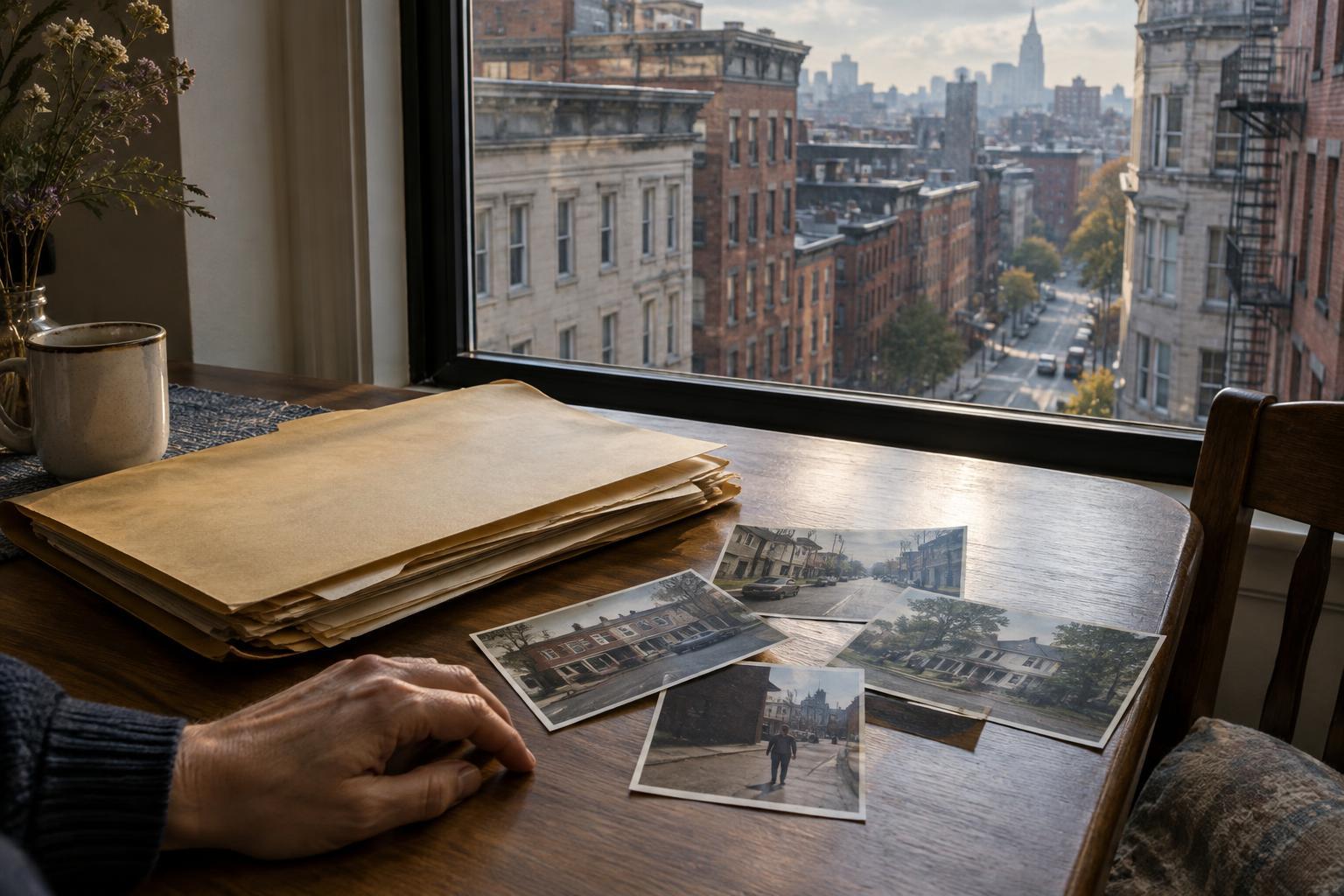
Cities and MemoryA city exists both in the records it keeps and in the stories its residents carry. Reading family memories alongside municipal records can reveal not only what changed, but whose experiences were easy to document and whose were not.
Read article · 4 min↗
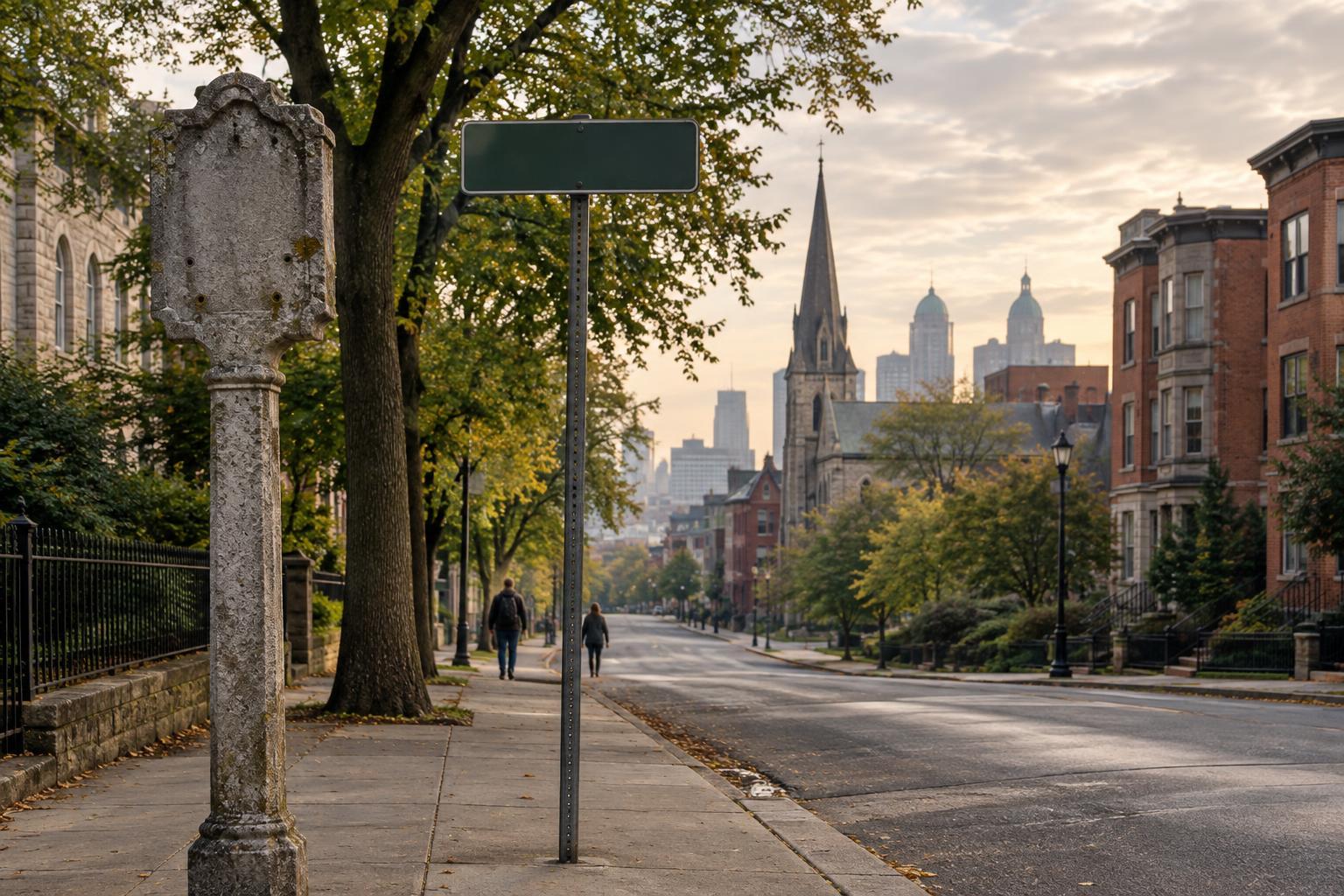
Cities and MemoryA street, park or neighborhood name can hold several histories at once. This guide offers a practical way to investigate who chose a name, what it displaced, why it changed and how people continue to use it.
Read article · 4 min↗
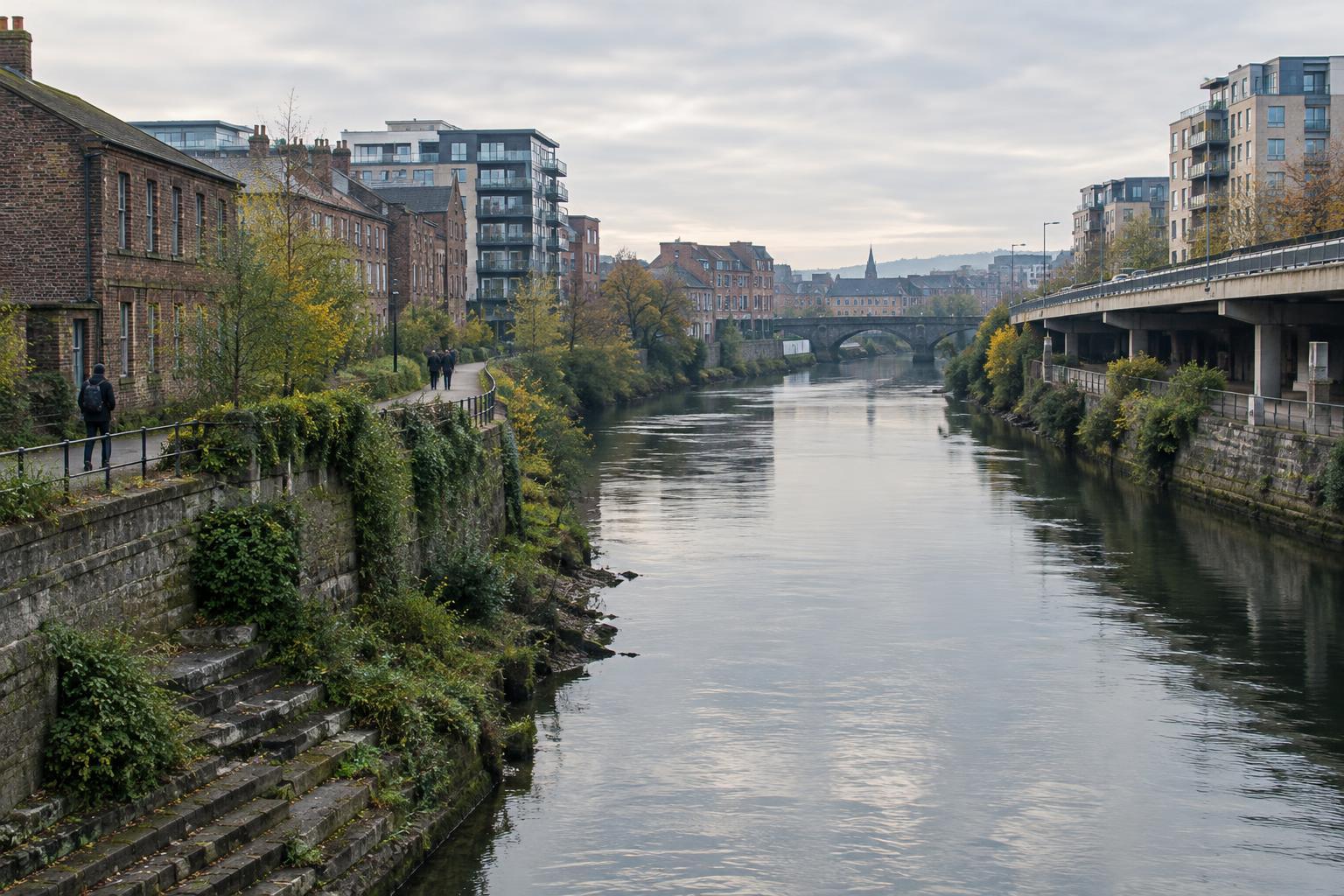
Cities and MemoryA river can be straightened, buried or separated from daily life by roads and buildings, yet still shape how a city moves, remembers and tells stories about itself. Looking for those traces offers a way to read the city beyond its present shoreline.
Read article · 4 min↗
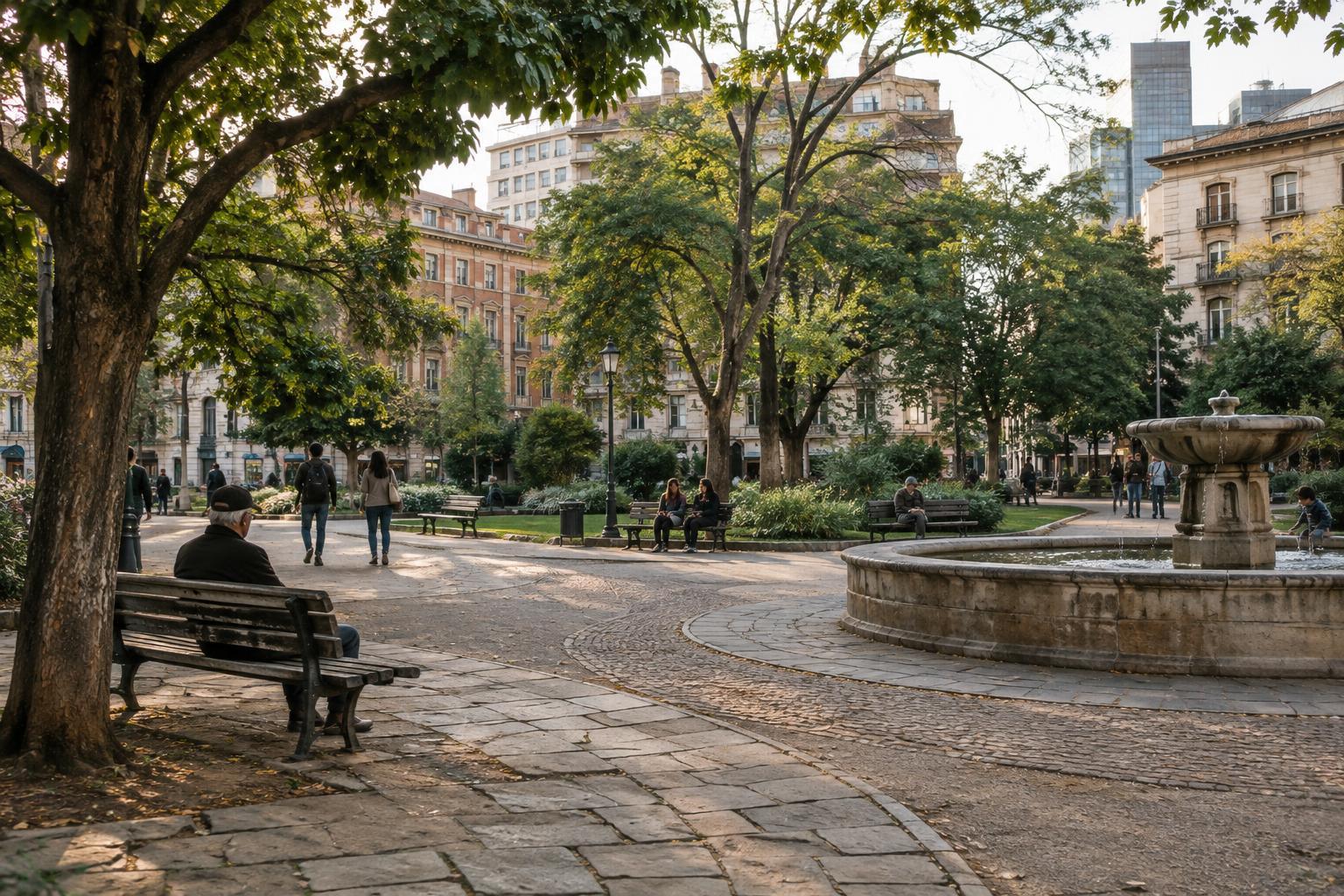
Cities and MemoryParks and plazas hold more than monuments. Their paths, benches, gatherings and changing uses offer a way to read a city’s shared past, including the memories its official accounts leave out.
Read article · 4 min↗
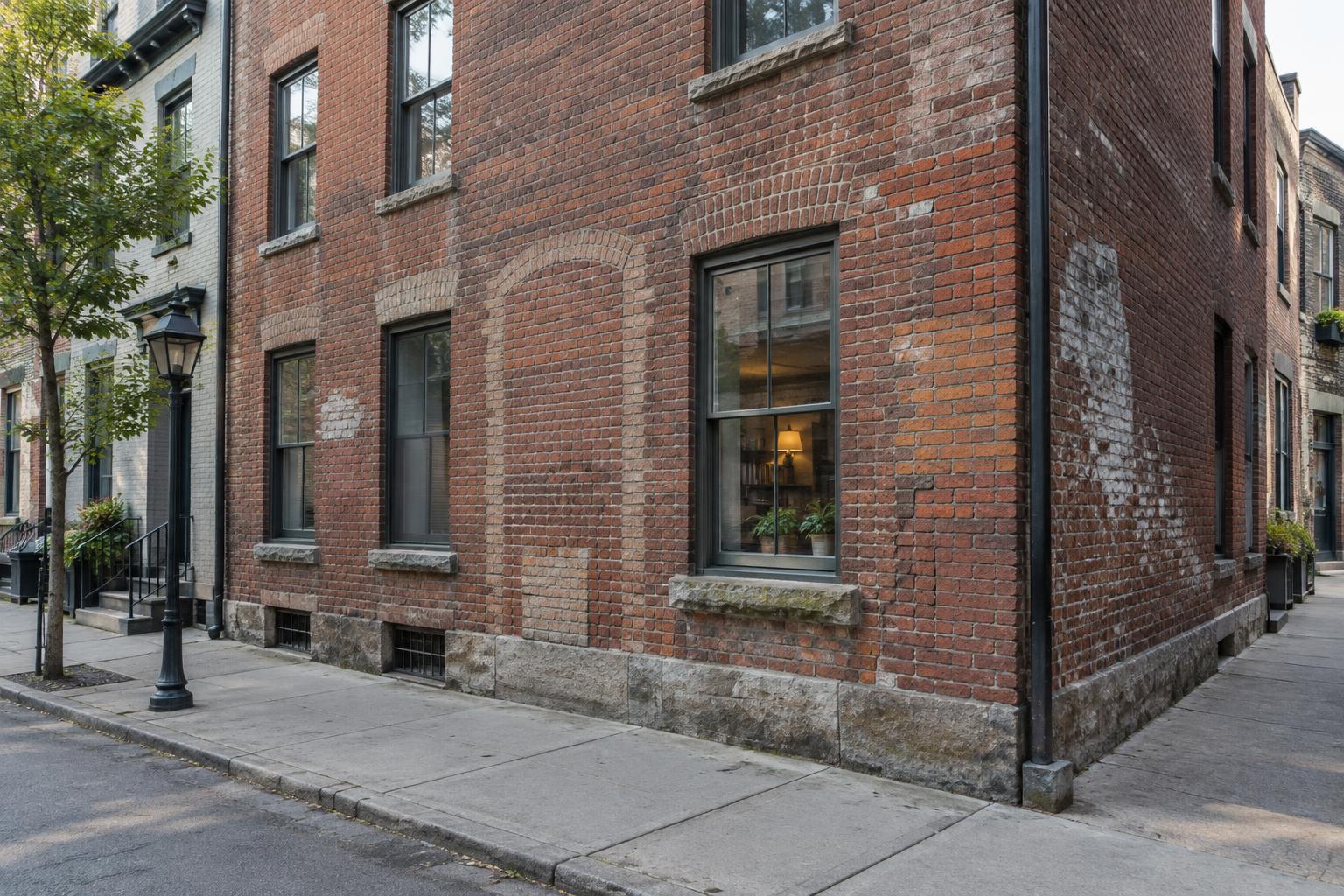
Cities and MemoryAn older building can hold clues to changing uses, streets and communities. Learn how to observe its visible layers, ask better questions and distinguish what the building shows from the stories we bring to it.
Read article · 4 min↗
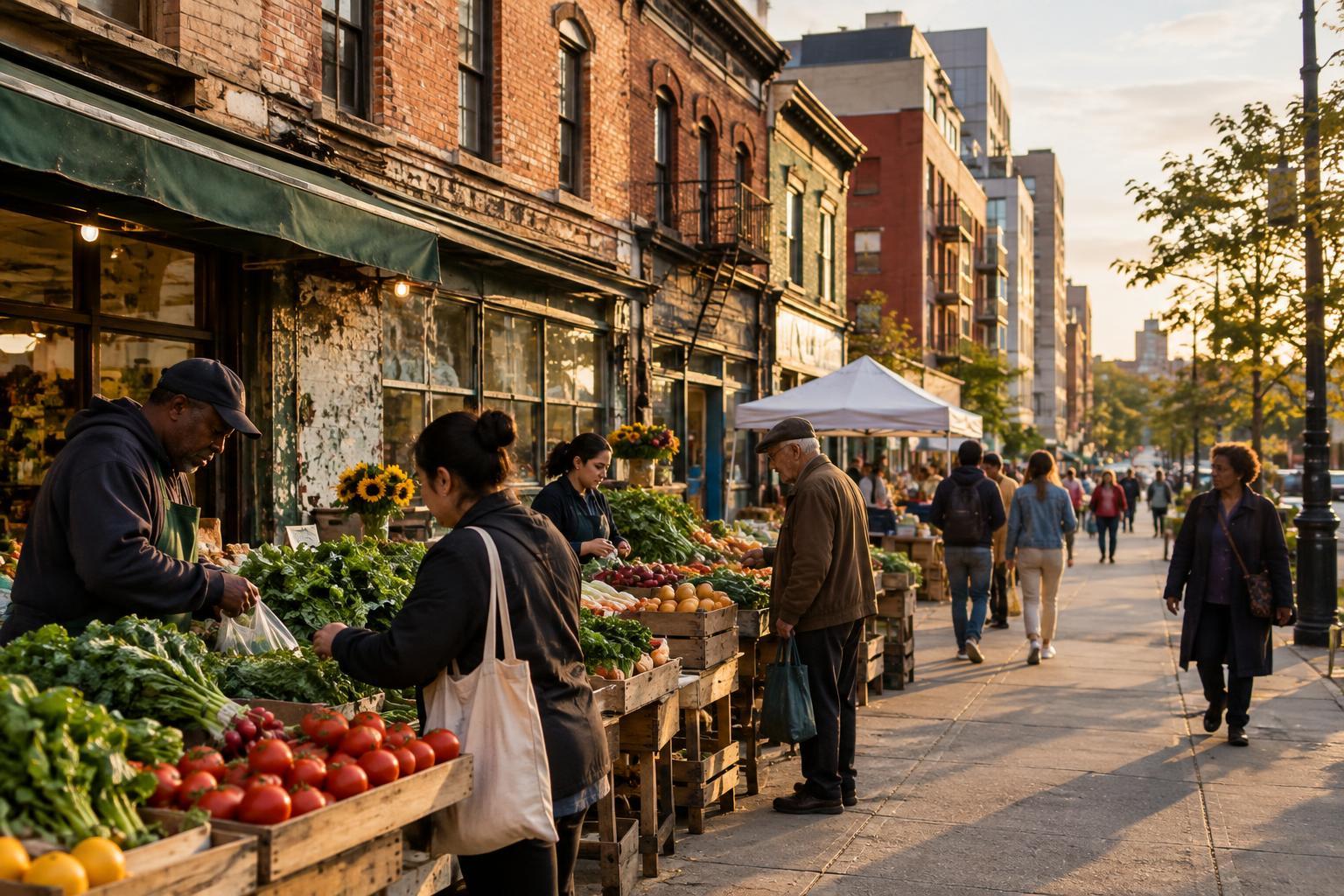
Cities and MemoryA marketplace is more than a place to buy things. Its stalls, storefronts, routes and routines can reveal how a neighborhood has changed—and whose memories remain visible.
Read article · 4 min↗
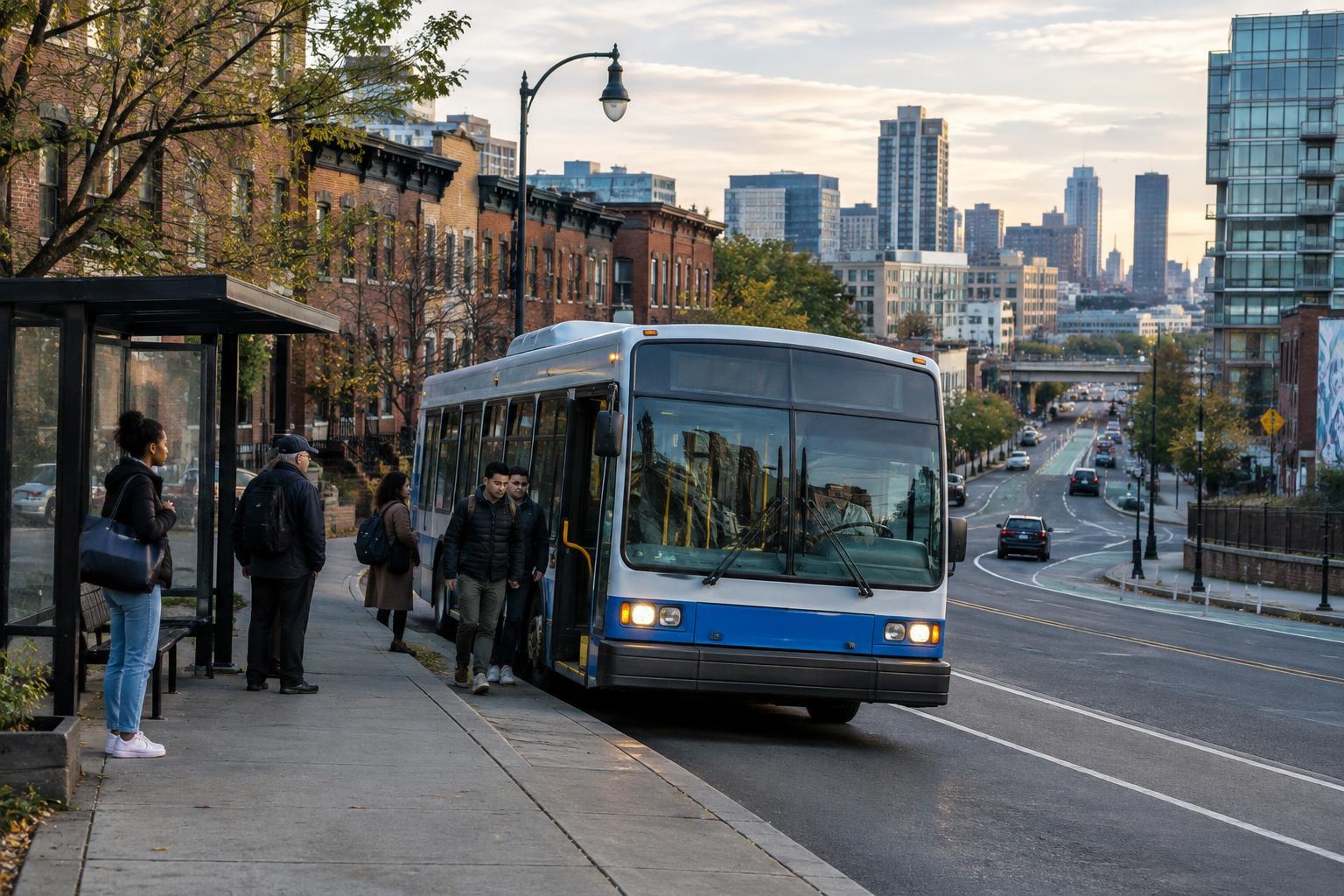
Cities and MemoryA bus route or train line can reveal how a city connects homes, workplaces and public spaces. Reading those routes as records of change also means noticing what a map leaves out: waiting, transfers, lost connections and the memories passengers carry.
Read article · 4 min↗
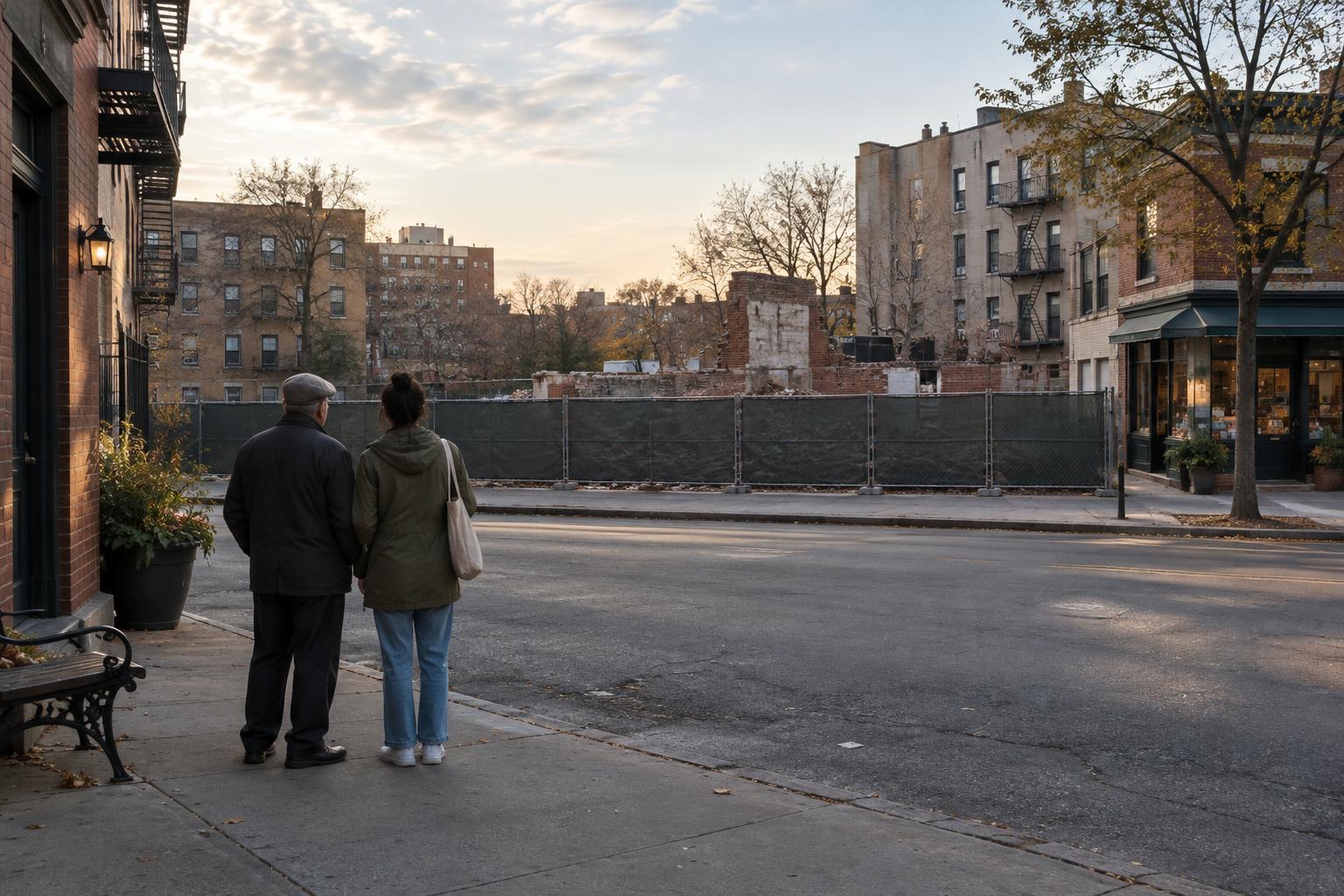
Cities and MemoryA building can hold more than its original purpose. When a familiar place disappears, people may lose a meeting point, a set of routines and a way to tell the story of a neighborhood. Remembering it well means paying attention to who used it, who is leaving and whose memories are heard.
Read article · 4 min↗
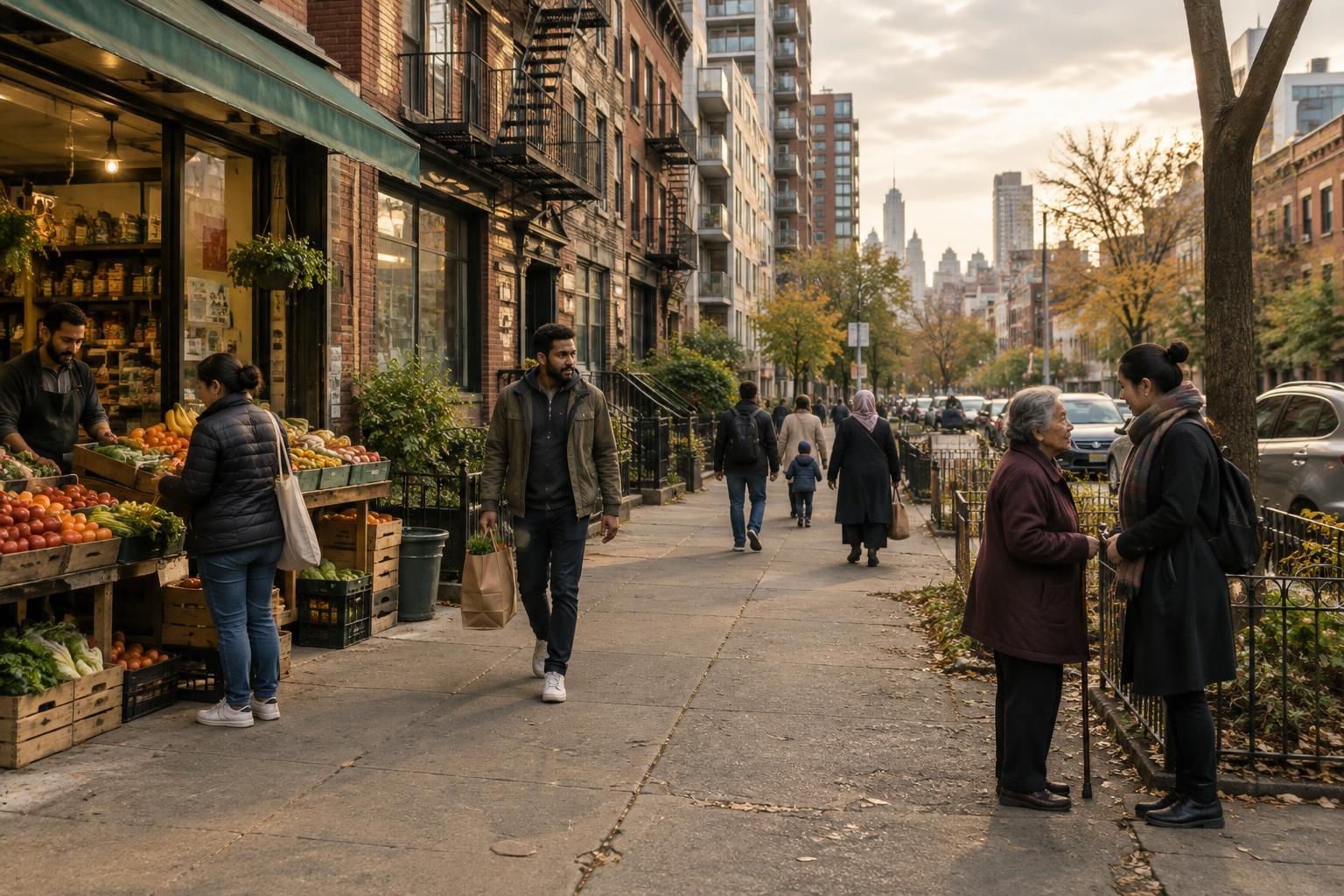
Cities and MemoryA city remembers through more than monuments. Languages, routes, businesses, family stories and changing neighborhoods all carry traces of movement. Looking at migration as part of urban memory reveals both what a city preserves and what it is willing to forget.
Read article · 4 min↗
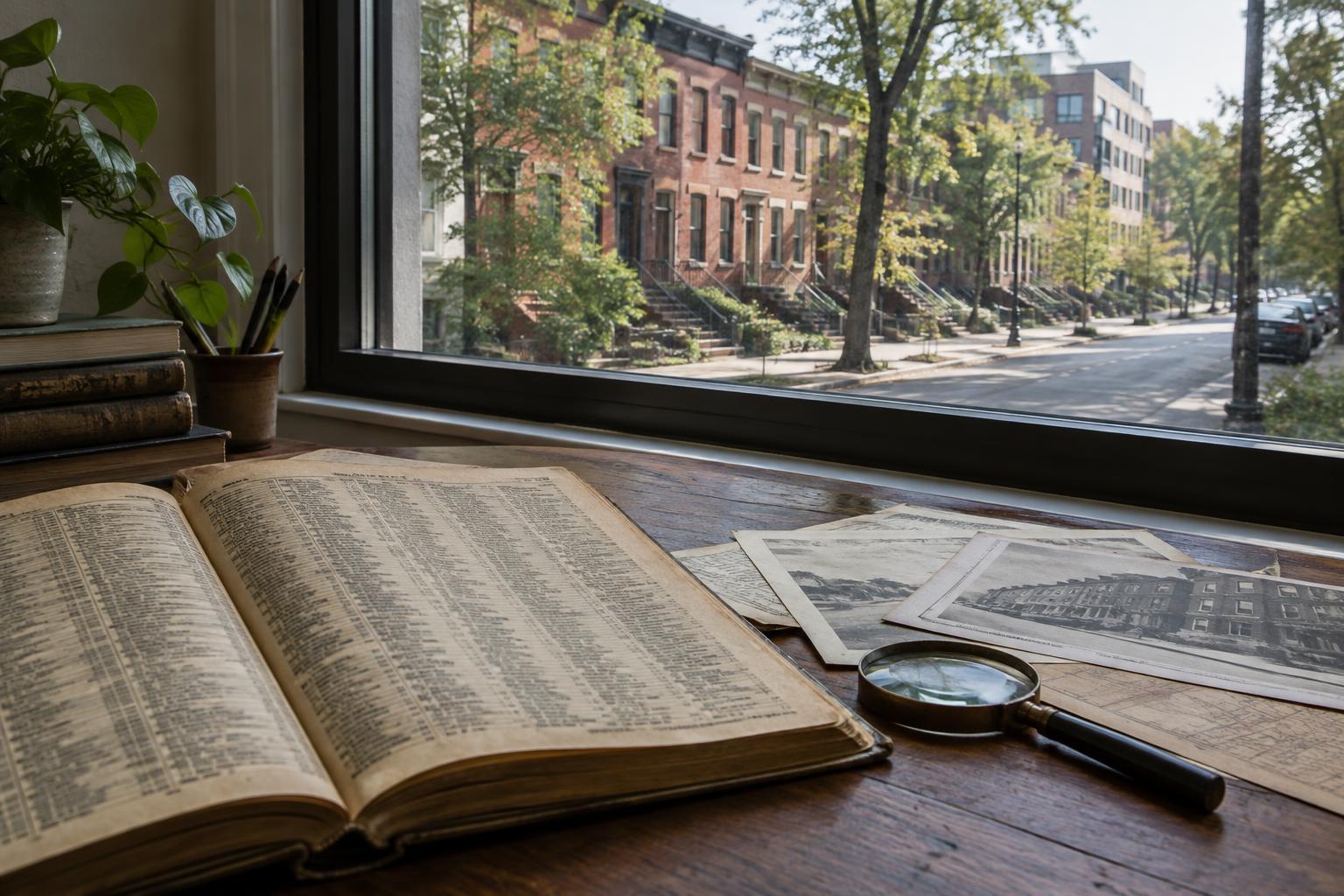
Cities and MemoryCity directories can reveal how a neighborhood changed one address at a time. Learn how to read their entries, compare them across years, and recognize the people and places their listings leave out.
Read article · 4 min↗
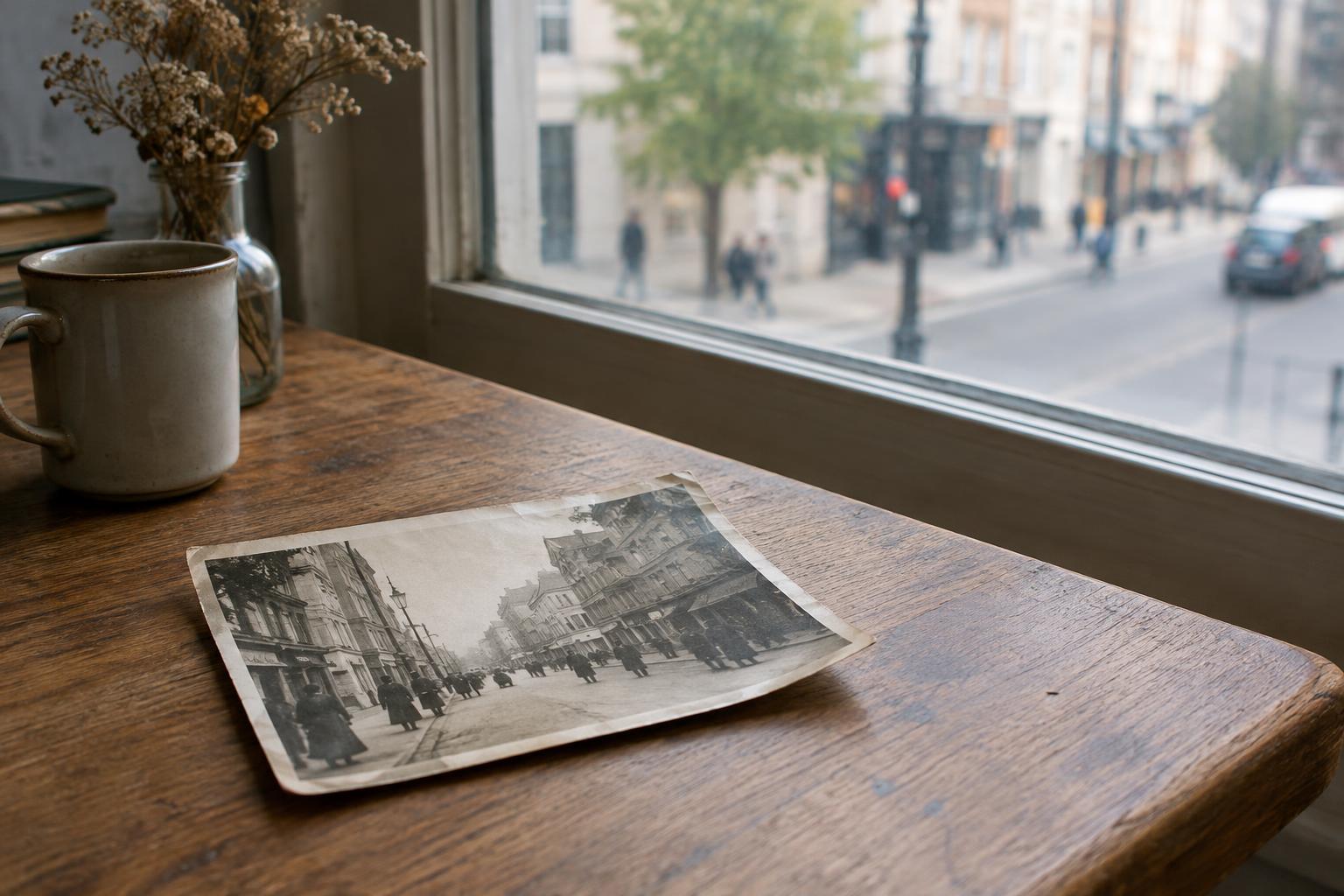
Cities and MemoryAn old photograph can show a street’s surfaces, signs and patterns of use, but it cannot tell us everything about the lives lived there. A careful reading begins with what is visible, asks what lies outside the frame and leaves room for uncertainty.
Read article · 4 min↗
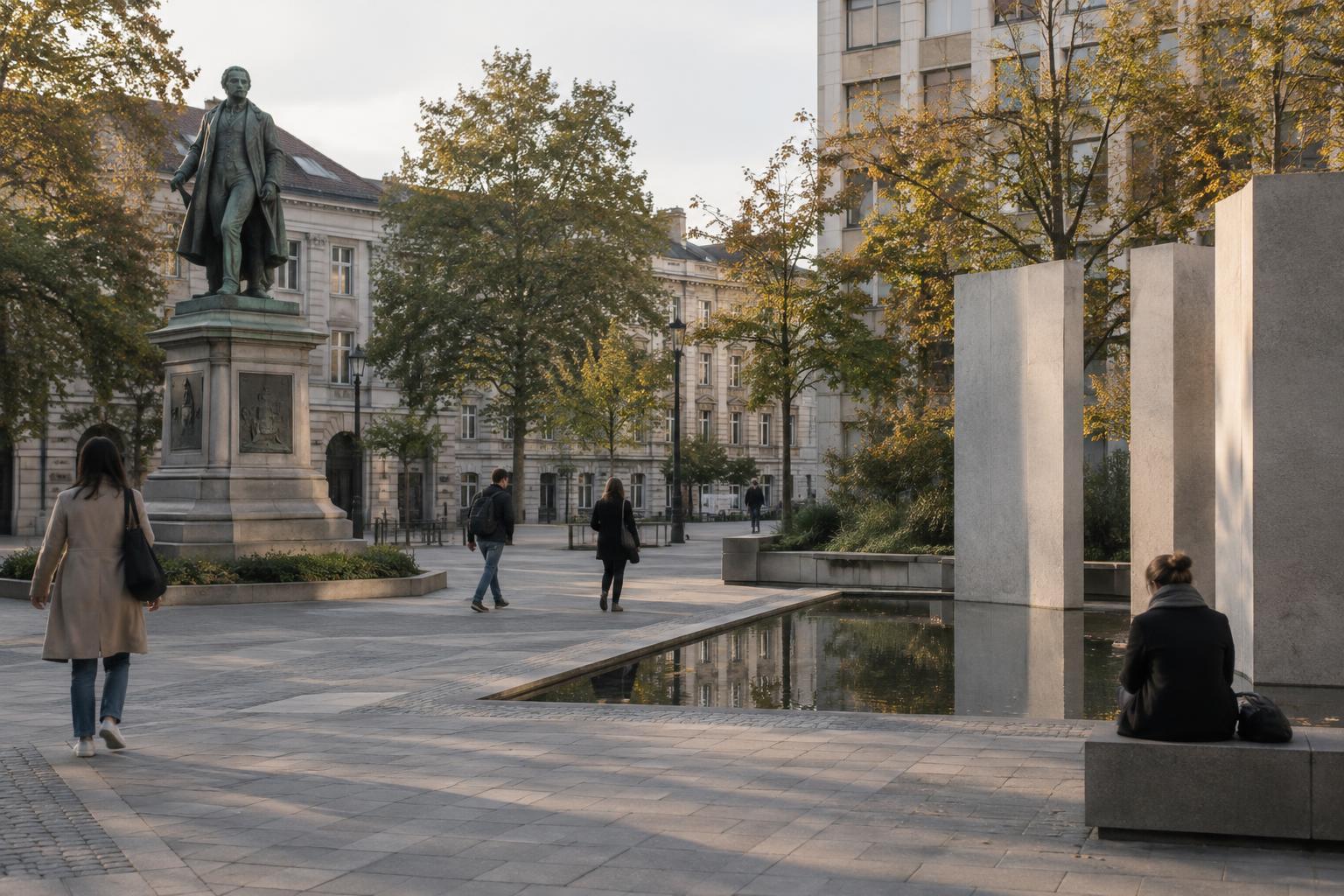
Cities and MemoryMonuments and memorials both shape what a city remembers, but they often ask different things of the people who pass them. Looking at their purpose, design and everyday use reveals how public memory becomes part of urban life.
Read article · 4 min↗
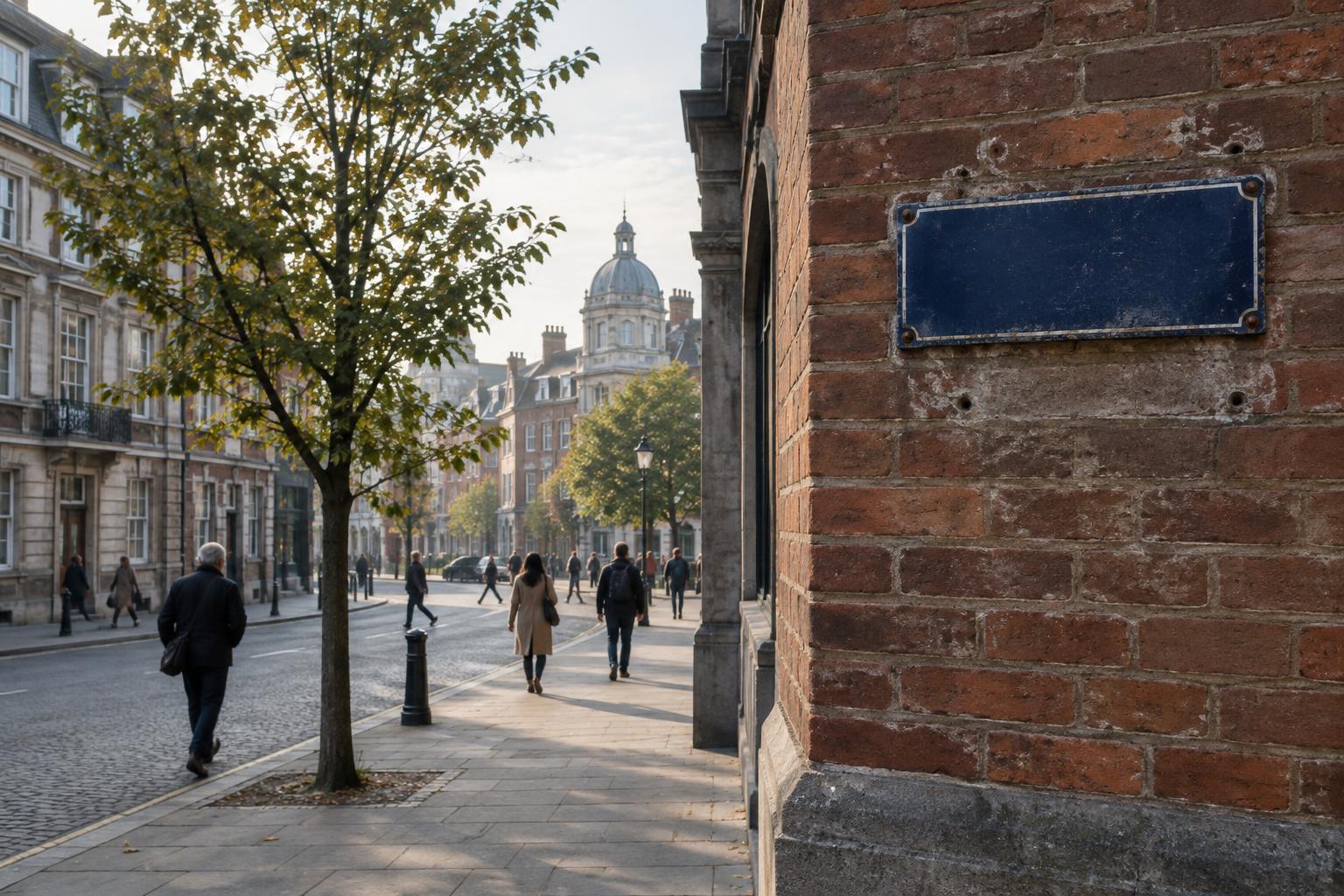
Cities and MemoryStreet names help us find our way, but they also shape which people and histories become familiar. Reading a city’s signs closely can reveal patterns of recognition, absence and change.
Read article · 4 min↗
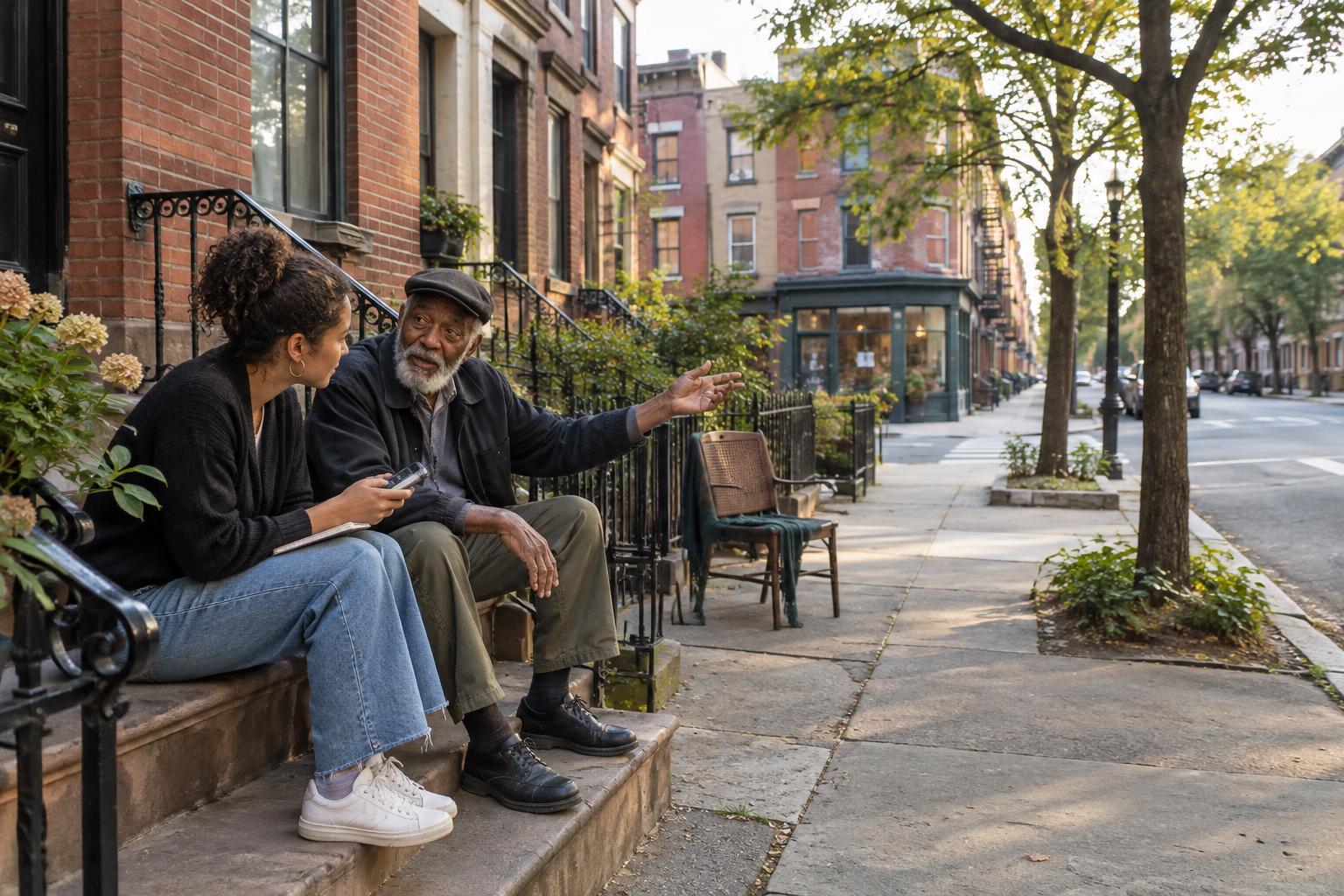
Cities and MemoryA neighborhood is more than its buildings and boundaries. Oral histories can preserve the routines, relationships and changes people remember, provided interviewers ask open questions and remain honest about whose voices are missing.
Read article · 4 min↗
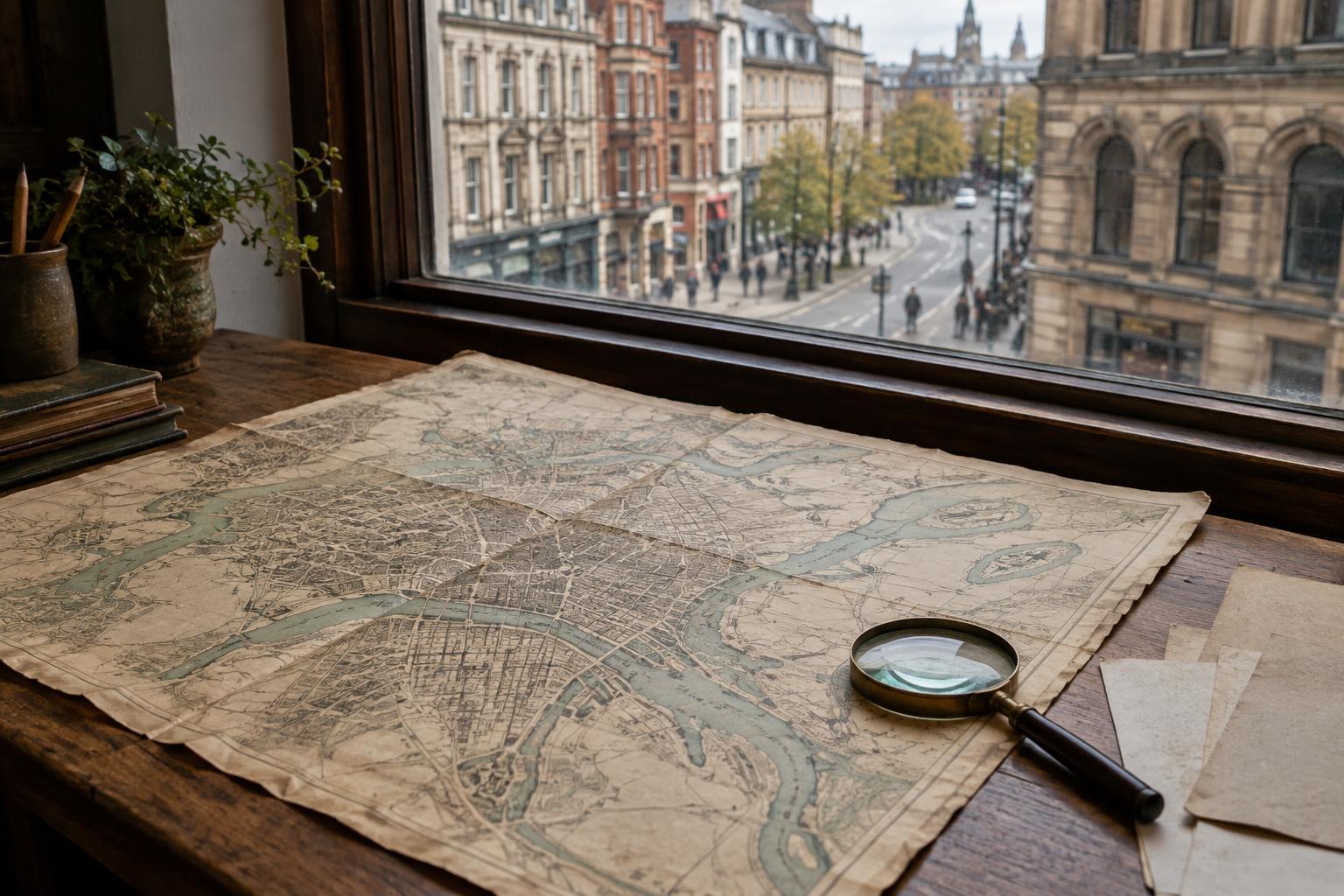
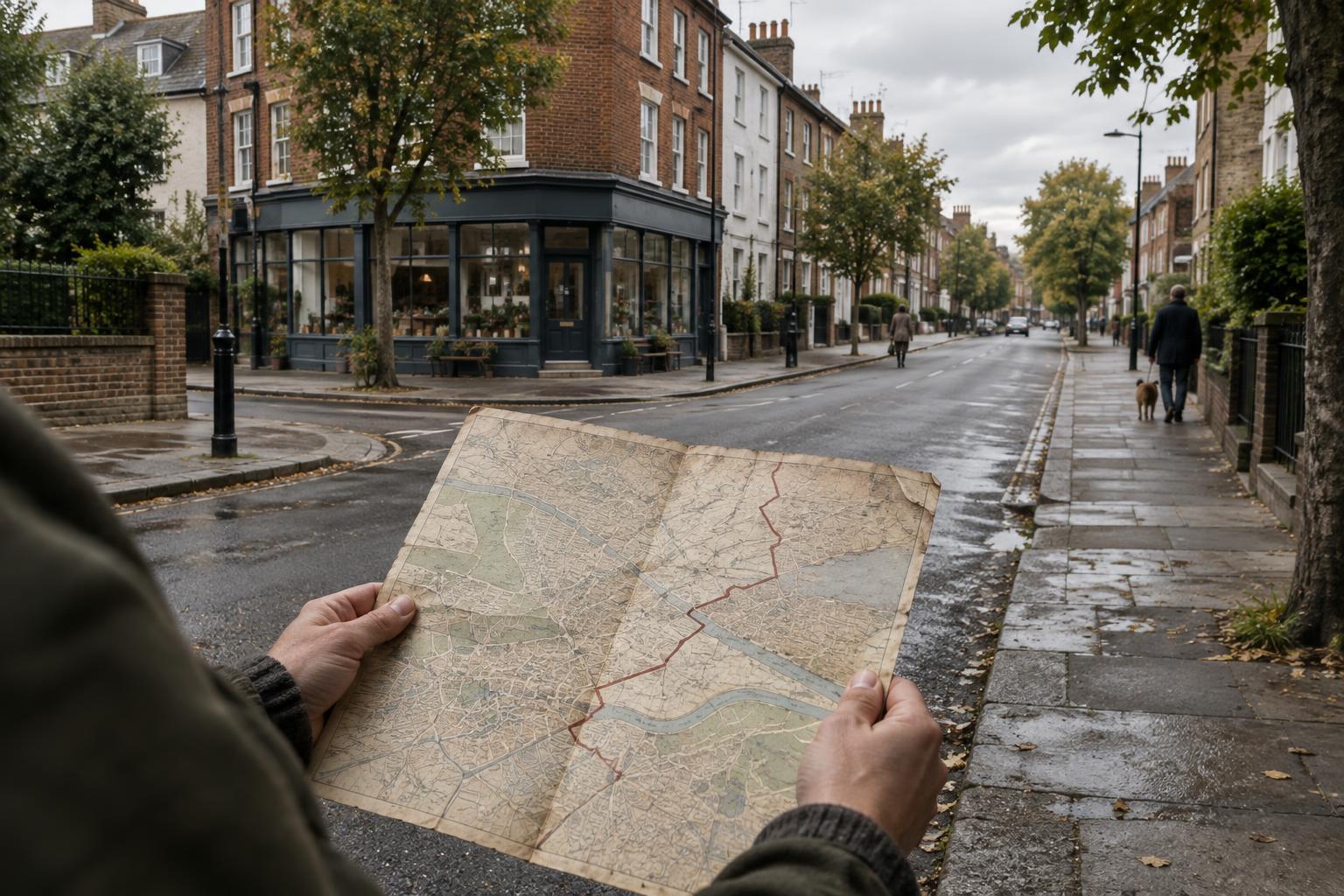
Cities and MemoryAn old city map can reveal how streets, waterways and neighbourhoods were represented at a particular moment. It can also leave out the people and relationships that made those places meaningful. Here is a practical way to read historical maps for both their details and their silences.
Read article · 4 min↗
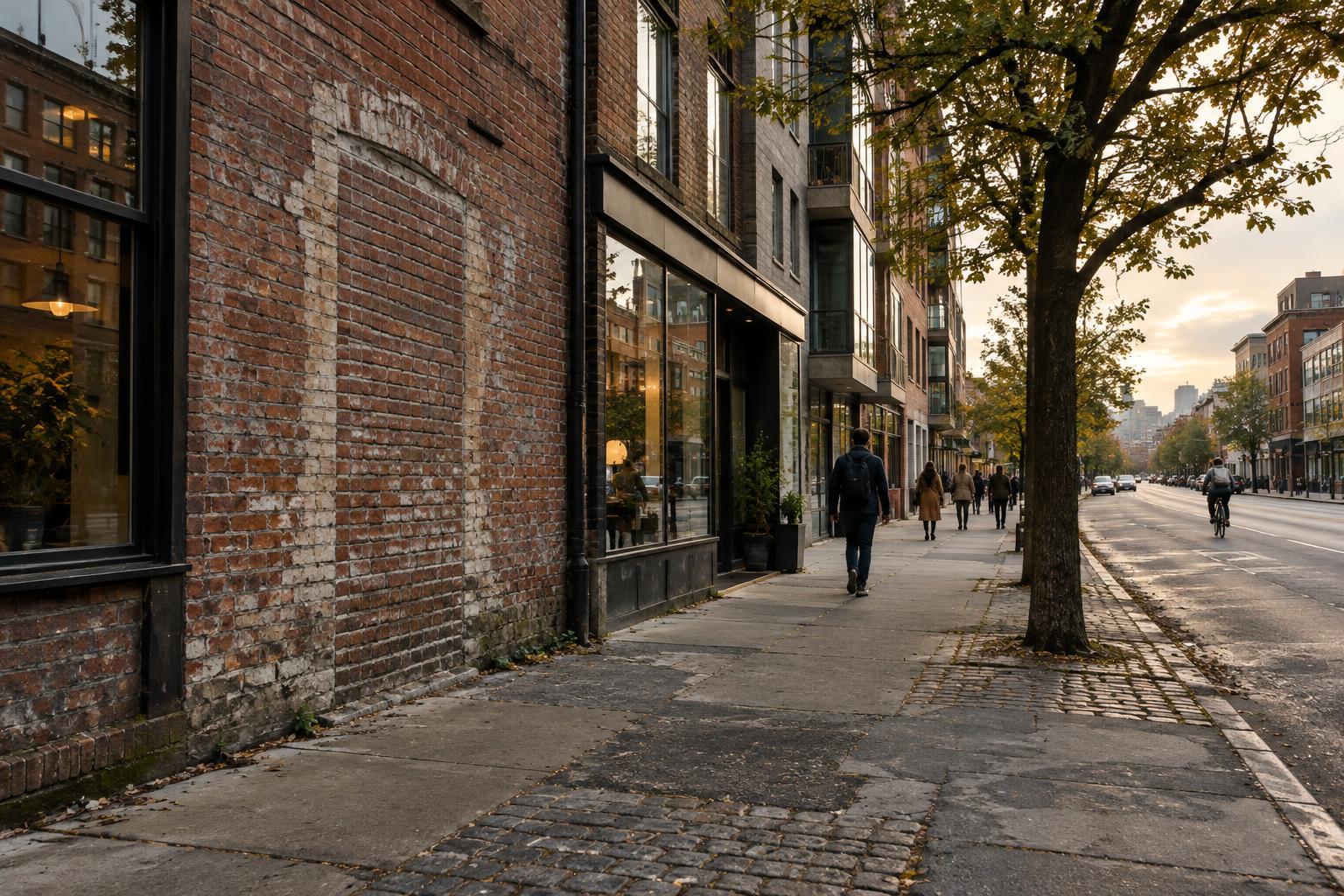
Cities and MemoryA city cannot remember in the way a person does. Yet its streets, buildings, names and stories carry traces of earlier lives. This guide explains urban memory, why it is often contested and how to notice it in the places you know.
Read article · 4 min↗